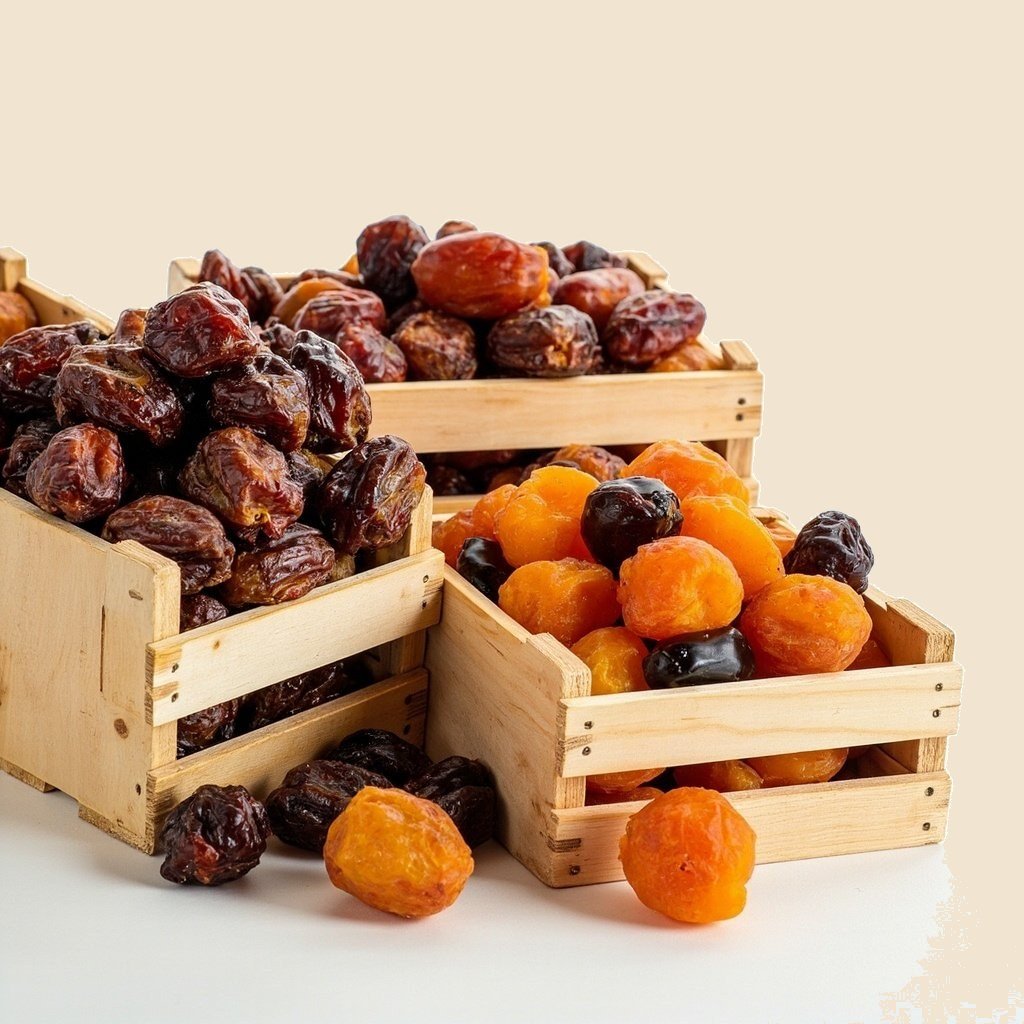
Nuts and Dried Fruits Trade in Dubai: Unlocking Profitable Opportunities
The nuts and dried fruits trade in Dubai is a booming sector within the UAE’s vibrant food import-export landscape. As a global trade hub, Dubai attracts importers, wholesalers, and retailers eager to capitalize on the rising demand for premium nuts like almonds, cashews, pistachios, and dried fruits such as dates, apricots, and raisins. This article dives deep into the intricacies of this trade, offering actionable insights for businesses looking to thrive. Whether you’re a newcomer or scaling your operations, understanding the nuts and dried fruits trade Dubai dynamics is key to success. For a comprehensive overview, check our pillar page on the [Wholesale Nuts and Dried Fruits Business in Dubai](link-to-pillar-page), which covers foundational strategies for the entire industry.
The Explosive Growth of the Nuts and Dried Fruits Market in Dubai
Dubai’s strategic location at the crossroads of Europe, Asia, and Africa positions it as a gateway for the nuts and dried fruits trade in Dubai. According to recent reports from the Dubai Chamber of Commerce, the UAE’s dry fruits and nuts import market exceeded AED 2.5 billion in 2023, with Dubai handling over 60% of the volume. This surge is driven by several factors:
Rising Consumer Demand
Health-conscious consumers in the UAE, including expatriates and locals, are fueling demand for nutrient-rich snacks. Nuts provide protein, healthy fats, and antioxidants, while dried fruits offer natural sweetness without added sugars. Popular items include Iranian pistachios, Turkish apricots, and California almonds, with annual growth rates hovering at 8-10%.
Tourism and Hospitality Boom
Dubai’s tourism sector, welcoming over 17 million visitors in 2023, boosts bulk purchases for hotels, airlines, and supermarkets. High-end retailers like Spinneys and Lulu Hypermarket stock premium varieties, creating opportunities for suppliers in the dried fruits wholesale Dubai segment.
Export Potential
Beyond imports, Dubai serves as a re-export hub. UAE exports of dates and nuts reached AED 1.2 billion last year, targeting markets in Europe and the Middle East.
Actionable Tip: Conduct market research using tools like Dubai Customs data or Statista to identify top-selling products. Focus on high-margin items like organic nuts or premium Medjool dates to differentiate your trade operations.
Navigating Key Players and Supply Chains in Dubai’s Nuts Trade
Success in the nuts and dried fruits trade Dubai hinges on building robust supply chains. Dubai’s Deira and Al Aweer markets are epicenters, where over 500 traders deal in bulk nuts and dried fruits daily.
Major Importers and Wholesalers
- Deira Fruit and Vegetable Market: The largest hub for dried fruits importers UAE, specializing in bulk cashews, walnuts, and raisins from India, Turkey, and the US.
- Al Aweer Dry Fruits Market: A go-to for nuts wholesale Dubai, with traders offering competitive pricing on pistachios and hazelnuts.
- Key players include companies like Al Maya Group and Barakat Vegetables & Fruits, who dominate the import-export scene.
Sourcing Strategies
To enter this trade:
1. Partner with Global Suppliers: Source from origin countries like Iran (pistachios), Vietnam (cashews), and Turkey (dried apricots) via platforms like Alibaba or TradeIndia.
2. Leverage Free Zones: Jebel Ali Free Zone (JAFZA) offers tax exemptions for nuts import export Dubai businesses.
3. Quality Assurance: Opt for suppliers with HACCP and ISO certifications to meet UAE standards.
Pro Tip: Visit trade fairs like Gulfood (held annually in Dubai) to network. In 2024, Gulfood featured over 5,000 exhibitors in the nuts and dried fruits category—perfect for securing deals.
For more on top suppliers, explore our related post on [Best Nuts Suppliers in Dubai](link-to-related-post).
Regulations and Compliance: Essential for Smooth Nuts and Dried Fruits Trading
Entering the nuts and dried fruits trade in Dubai requires strict adherence to regulations to avoid delays or fines. The Emirates Authority for Standardization and Metrology (ESMA) and Dubai Municipality oversee quality controls.
Licensing and Permits
- Trade License: Obtain from the Department of Economic Development (DED) for “Food Trading” activities (cost: AED 10,000-20,000 annually).
- Import Permits: Required from Ministry of Climate Change and Environment (MOCCAE) for each shipment, including health certificates.
- Halal Certification: Mandatory for most products; apply via ESMA.
Import Procedures (Step-by-Step)
1. Pre-Shipment Inspection: Ensure products meet UAE food-import authorities (Saudi Food and Drug Authority) guidelines, as UAE aligns with Gulf standards.
2. Customs Clearance: Use Dubai Customs’ e-services; duties range from 0-5% for most nuts and dried fruits.
3. Labeling Requirements: Arabic/English labels with nutritional info, expiry dates, and allergen warnings.
4. Storage Standards: Warehouses must maintain 15-25°C for nuts to prevent aflatoxin contamination.
Checklist for Compliance:
- Fumigation certificates for wooden packaging.
- Radiation-free declarations.
- Lab tests for pesticides and moisture content.
Non-compliance can lead to confiscation—budget 5-10% of costs for inspections. Learn more about setup in our pillar guide: [Wholesale Nuts and Dried Fruits Business in Dubai](link-to-pillar-page).
Proven Strategies and Practical Tips for Profiting in Dubai’s Dried Fruits Trade
To maximize ROI in the nuts and dried fruits trade Dubai, adopt data-driven strategies.
Marketing and Sales Tactics
- B2B Focus: Target hotels, caterers, and supermarkets via LinkedIn and Dubai Business Directory.
- E-Commerce: List on Noon or Amazon.ae under “bulk dried fruits UAE” for retail spillover.
- Branding: Emphasize “Dubai-sourced premium quality” for exports.
Risk Management and Profit Optimization
- Pricing Strategy: Buy in 1-ton lots for 20-30% margins; e.g., cashews at $5/kg wholesale sell for $8/kg retail.
- Diversification: Mix nuts (60%) with dried fruits (40%) to hedge seasonal fluctuations.
- Sustainability: Promote eco-friendly packaging to appeal to EU buyers.
5 Practical Steps to Launch Your Trade Business:
1. Register Your Company: Choose mainland or free zone setup (1-2 weeks).
2. Secure Suppliers: Negotiate MOQs and trial shipments.
3. Set Up Logistics: Partner with Aramex or DHL for cold-chain transport.
4. Build Inventory: Start with AED 100,000 stock for popular items like almonds and dates.
5. Scale with Analytics: Use Google Analytics for sales trends and adjust inventory quarterly.
Case Study: A Deira trader scaled from AED 500K to AED 5M revenue in two years by focusing on organic pistachios exports to Europe.
Related reads: [Dates Export from Dubai: Tips for Success](link-to-related-post) and [Pistachios Wholesale in UAE](link-to-related-post).
Conclusion: Seize the Nuts and Dried Fruits Trade Dubai Boom Today
The nuts and dried fruits trade in Dubai offers immense potential for savvy entrepreneurs, backed by robust infrastructure and global demand. By mastering supply chains, compliance, and marketing, you can build a sustainable wholesale operation. Ready to dive deeper? Our pillar page on the [Wholesale Nuts and Dried Fruits Business in Dubai](link-to-pillar-page) provides blueprints for licensing, scaling, and profitability.
Start with a market visit to Deira today—your next big deal awaits. Share your experiences in the comments or contact us for personalized consultations.
Related Reading
Frequently Asked Questions
How large is the nuts and dried fruits import market in Dubai?
The UAE’s dry fruits and nuts import market exceeded AED 2.5 billion in 2023, with Dubai handling over 60% of the total volume. Popular items like Iranian pistachios, Turkish apricots, and California almonds have been growing at annual rates of 8-10%.
What are the main trading hubs for nuts and dried fruits in Dubai?
Deira Fruit and Vegetable Market and Al Aweer Dry Fruits Market are the two epicenters, where over 500 traders deal in bulk nuts and dried fruits daily. Deira specializes in bulk cashews, walnuts, and raisins, while Al Aweer is known for competitive pricing on pistachios and hazelnuts.
What licenses and permits are required to trade nuts and dried fruits in Dubai?
Traders must obtain a Food Trading trade license from the Department of Economic Development (DED), which costs between AED 10,000 and 20,000 annually. Import permits are also required from the Ministry of Climate Change and Environment (MOCCAE), along with mandatory Halal Certification through ESMA.
What are the customs duties on importing nuts and dried fruits into Dubai?
Customs duties range from 0% to 5% for most nuts and dried fruits, processed through Dubai Customs’ e-services. Importers should also budget an additional 5-10% of their costs for inspections, lab tests, and compliance documentation to avoid delays or confiscation.
Which countries are the main sources for nuts and dried fruits imported into Dubai?
Traders commonly source pistachios from Iran, cashews from Vietnam, and dried apricots from Turkey, often using platforms