Dubai’s position as a global trade hub is undeniable. For entrepreneurs looking to tap into the food and commodity sector, the wholesale nuts and dried fruits business in Dubai offers a particularly lucrative opportunity. The city’s strategic location, world-class infrastructure, and tax-free environment make it a magnet for importers and exporters.
Within this vibrant ecosystem, one name has become synonymous with quality, scale, and reliability: Arabian Ventures. While the company itself is a major player in the UAE’s food distribution sector, the term “Arabian Ventures” has become a benchmark for the type of business model required to succeed in this specific niche.
This article dives deep into the operational strategies, logistics, and market insights that define Arabian Ventures and how you can apply these principles to build a robust wholesale nuts and dried fruits business in Dubai.
1. The Strategic Location: Why Dubai is the Perfect Launchpad for Wholesale
Before discussing logistics, it is crucial to understand why Dubai is the ideal location for a business like Arabian Ventures. The emirate is not just a consumer market; it is a re-export capital.
The Gateway to Three Continents
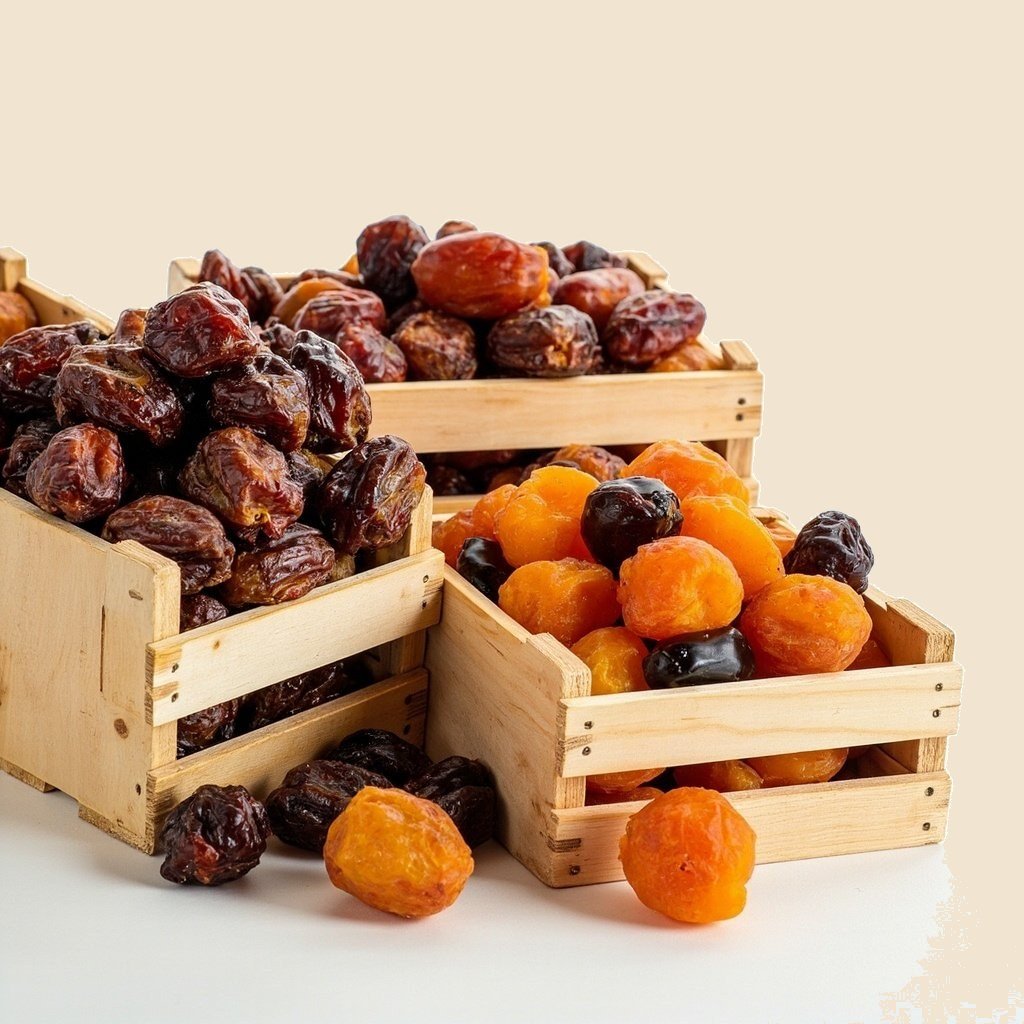
Dubai International Airport (DXB) and Jebel Ali Port provide access to approximately 2 billion consumers across the Middle East, Africa, South Asia, and the CIS countries. For a wholesaler dealing in dried fruits (dates, figs, apricots) and nuts (almonds, pistachios, cashews), this proximity is a massive competitive advantage.
- Inbound Logistics: Products arrive from major growing regions (e.g., California for almonds, Iran for pistachios, India for cashews).
- Outbound Logistics: Finished goods are re-exported to markets in Africa and the Levant.
The DMCC & JAFZA Advantage
Success in the wholesale nuts and dried fruits business in Dubai often hinges on your licensing location. Companies like Arabian Ventures typically operate out of free zones like JAFZA (Jebel Ali Free Zone) or DMCC (Dubai Multi Commodities Centre) . These zones offer:
- 100% foreign ownership.
- No corporate or personal income tax.
- No customs duty on goods stored within the free zone.
If you are launching a venture, choosing the right free zone is the first “Arabian Ventures” style decision you must make.
2. The Business Model: Scale, Diversity, and Quality Control
A small-time trader might buy a few bags of almonds and sell them at a local market. A sustainable business, modeled after successful entities like Arabian Ventures, operates on a different principle: Vertical Integration and Supply Chain Dominance.
H3: Sourcing and Supplier Relationships
The core of any wholesale business is the supply chain. The volatility of raw nut prices (especially almonds and pistachios) requires direct relationships with farmers and processors.
- The “Arabian Ventures” Approach: Instead of buying from third-party brokers in Dubai, the model relies on establishing direct import contracts. This means sending procurement teams to origin countries.
- The Action: To replicate this, you must attend trade shows like ANUGA (Germany) or Gulfood (Dubai) to secure farm-gate pricing.
H3: Storage and Climate Control
This is where most new businesses fail. Nuts and dried fruits are hydroscopic—they absorb moisture and go rancid quickly. High-quality Arabian Ventures operations are defined by their cold storage capabilities.
Actionable Tip: You cannot store almonds at 30°C ambient temperature. Invest in climate-controlled warehousing (15-18°C for most nuts, 10°C for pistachios). This extends shelf life from 3 months to 12+ months, allowing you to sell when market prices are high.
H3: Product Mix and SKU Rationalization
The wholesale nuts and dried fruits business in Dubai is not just about “healthy snacks.” It requires a nuanced product mix catering to:
- Retail: Packaged trail mixes for supermarkets like Carrefour and Spinneys.
- HORECA: Bulk raw materials for hotels and bakeries (e.g., almond flour, pistachio paste).
- Traditional Markets: Loose dates and nuts for the Souks.
A successful Arabian Ventures strategy involves maintaining a “Core 20” list of high-volume SKUs (e.g., Medjool Dates, Raw Almonds, Roasted Cashews) while offering a “Flex 100” of specialty items (e.g., Goji Berries, Macadamia Nuts, Dried Mulberries).
3. Navigating the Regulatory Landscape: The Dubai Municipality
You cannot operate a wholesale food business in Dubai without strict adherence to Dubai Municipality guidelines. This is a critical, non-negotiable step.
H3: Labeling and Traceability
The UAE has zero tolerance for mislabeling. Every shipment must have:
- Country of Origin: Clearly stated.
- Nutritional Facts: In Arabic and English.
- Best Before Date: Digital tracking for batch recall.
Pro Tip: Follow the Arabian Ventures model of “Digital Traceability.” Use barcodes to track the product from the farm in California to the shelf in Dubai. This builds trust with corporate buyers.
H3: Halal Certification
While nuts are inherently Halal, your processing facility must be certified.
- Challenges: Cross-contamination with non-Halal products in shared warehouses.
- Solution: Dedicated processing lines. If you are roasting nuts, ensure the oil used (e.g., Palm Oil or Sunflower Oil) is Halal certified.
4. Practical Tips for Launching Your Wholesale Venture
If you are inspired by the success of Arabian Ventures and want to start your own wholesale nuts and dried fruits business in Dubai, follow these actionable steps:
Step 1: The “Sample Box” Strategy
Don’t try to sell a container load on day one. Create a professional sample box containing 10-15 different products. Visit hotels, restaurant chains, and local grocery stores. The “Arabian Ventures” method relies on proving product quality before discussing price.
Step 2: Master the “Duty Free” Re-Export
The biggest profit margins in the wholesale nuts and dried fruits business in Dubai come from Re-Export. If you import 100 tons of Iranian pistachios into JAFZA (duty-free) and ship 80 tons to Iraq, you pay zero import duty. You only pay 5% VAT on the local sale of the remaining 20 tons. This is the logistics secret used by the largest players.
Step 3: Digital Marketing for B2B
While the pillar page focuses on content, your business needs a strong digital presence.
- LinkedIn: Connect with procurement managers in the GCC.
- Website: Must have a “Wholesale Login” portal for bulk pricing.
- Keywords: To drive traffic, optimize for terms like “Bulk Dates Dubai,” “Wholesale Almonds UAE,” and “Arabian Ventures suppliers.”
5. Internal Linking Strategy
To fully understand the macro-economic factors driving this industry, we recommend reading our pillar page: [Wholesale Nuts and Dried Fruits Business in Dubai] . This will provide you with the complete business setup guide, from licensing costs to shipping logistics.
Related Topics for Further Reading:
- The Ultimate Guide to Importing Dates from Saudi Arabia to Dubai
- How to Get a Food Trading License in Dubai (DMCC)
- Cold Storage Logistics: Best Practices for Nuts and Seeds
- Top 10 Sourcing Countries for Turkish Dried Apricots
Conclusion
The journey to building a successful enterprise in the wholesale nuts and dried fruits business in Dubai is challenging but highly rewarding. By studying the operational excellence of industry leaders like Arabian Ventures, you can learn to prioritize supply chain integrity, regulatory compliance, and strategic warehousing.
Whether you are a new entrant or an established trader, the Dubai market rewards those who treat food trading as a science, not just a gamble. Focus on quality, master the logistics of re-export, and your venture will thrive in the desert metropolis.
—
Dubai serves as a re-export capital with strategic access to approximately 2 billion consumers across the Middle East, Africa, South Asia, and the CIS countries via Dubai International Airport (DXB) and Jebel Ali Port. Its tax-free environment, world-class infrastructure, and proximity to major growing regions make it a competitive launchpad for importers and exporters of nuts and dried fruits.
What free zones are recommended for setting up a wholesale food business in Dubai?
Successful operations like Arabian Ventures typically establish in JAFZA (Jebel Ali Free Zone) or DMCC (Dubai Multi Commodities Centre). These free zones offer 100% foreign ownership, no corporate or personal income tax, and no customs duty on goods stored within the zone.
What are the proper storage conditions for nuts and dried fruits?
Nuts and dried fruits are hydroscopic and absorb moisture quickly, so they cannot be stored at 30°C ambient temperature. Industry best practices recommend climate-controlled warehousing at 15-18°C for most nuts and 10°C for pistachios, which extends shelf life from 3 months to 12+ months.
What are the key regulatory requirements for selling nuts and dried fruits in Dubai?
Wholesalers must strictly adhere to Dubai Municipality guidelines, including labeling requirements that state Country of Origin, Nutritional Facts in both Arabic and English, and Best Before Date with digital tracking for batch recall. Processing facilities must also obtain Halal certification to avoid cross-contamination issues.
What product mix should a wholesale nuts and dried fruits business maintain?
A successful strategy involves maintaining a “Core 20” list of high-volume SKUs such as Medjool Dates, Raw Almonds, and Roasted Cashews, alongside a “Flex 100” of specialty items like Goji Berries, Macadamia Nuts, and Dried Mulberries. This mix caters to retail supermarkets,