—
The global dried fruits market is on a steady upward trajectory, driven by rising health consciousness and the demand for natural, shelf-stable snacks. For UAE-based wholesalers and retailers, this category offers high margins, year-round demand, and excellent storage properties. However, sourcing premium dried fruits from Iran, Turkey, the USA, and other key origins requires deep knowledge of grades, moisture levels, packaging, and cold chain logistics—especially in the Gulf’s extreme climate.
This guide provides a comprehensive roadmap for anyone looking to operate as a wholesale dried fruits supplier in the UAE. We cover the top five categories (dates, dried apricots, figs, raisins, and prunes), along with critical import rules and supplier verification steps.
—
1. The Crown Jewels: Premium Dates
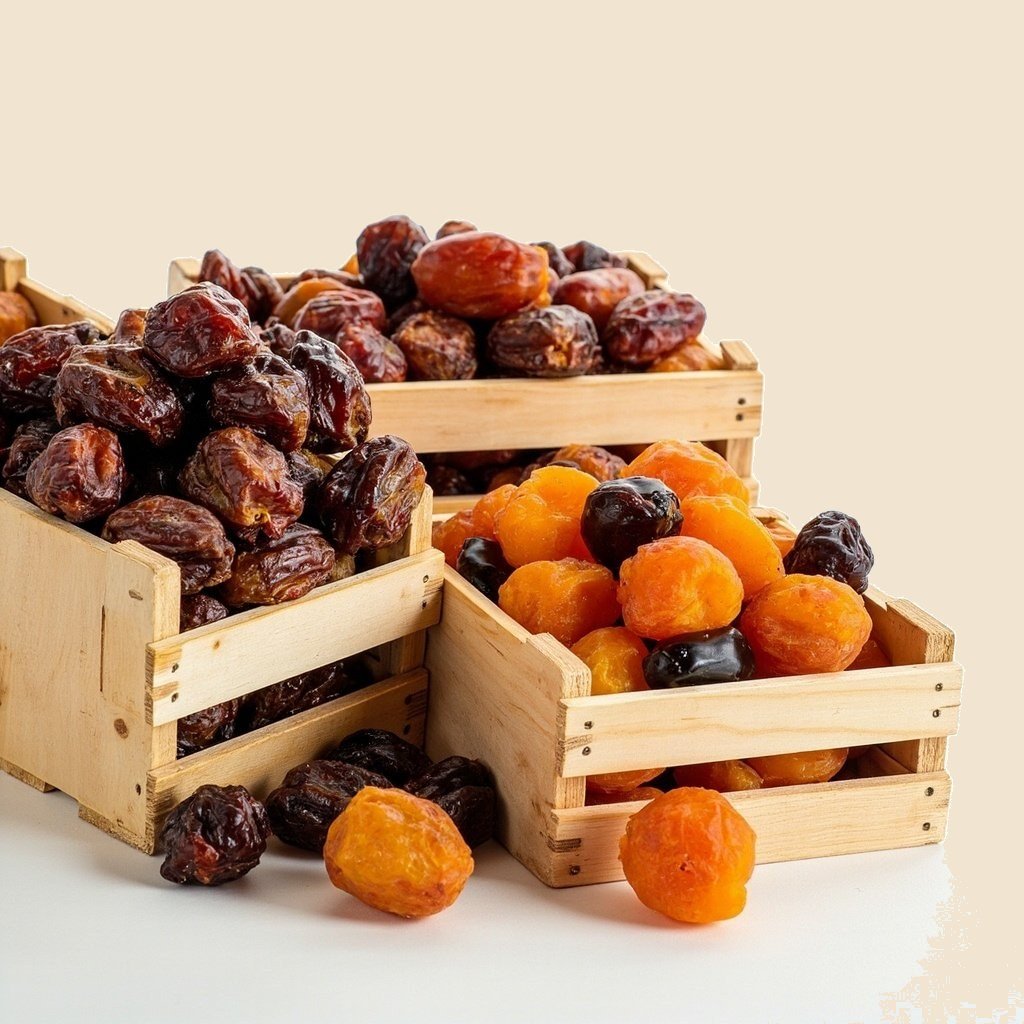
Dates are the cornerstone of the dried fruit trade in the Middle East. For a wholesale dried fruits supplier in the UAE, understanding date grades and moisture is non‑negotiable.
Key Varieties and Grades
- Medjool: Known as the “king of dates.” Premium Medjool should be large (≥20 grams), moist (moisture content 22–28%), and caramel‑sweet without surface crystallization. Grade A Medjool has a uniform deep brown color, soft skin, and no sugar spots.
- Deglet Noor: Semi‑dry, with a firmer texture and lower moisture (18–22%). Ideal for baking and industrial use. Look for a translucent amber hue.
- Ajwa & Barhi: Soft, buttery dates with high moisture (28–32%). Ajwa is especially prized for its medicinal reputation in the UAE.
- Khudri & Sukkari: Medium‑moisture dates (20–25%) with a chewy bite – popular in the Gulf for daily consumption.
Sourcing Regions
- Saudi Arabia & UAE: Produce the highest quality Medjool and Ajwa.
- Iran: Offers Piarom and Mazafati dates – very moist, excellent for high‑end retail.
- Morocco & Tunisia: Supply Medjool and Boufeggous, often at competitive prices.
Moisture & Packaging
For wholesale, dates are typically packed in 5–10 kg vacuum‑sealed bags or 1 kg retail boxes. Vacuum packing prevents moisture loss and sugar crystallization. Ensure the packaging is food‑grade, BPA‑free, and labeled with origin, harvest date, and moisture percentage.
—
2. Dried Apricots: Turkish Gold Standard
Dried apricots are a staple in the UAE’s health food and confectionery sectors. The global benchmark is set by Turkish apricots from the Malatya region.
Grades and Quality Indicators
- Grade A (Extra No. 1): Whole, pitted, bright orange color, soft texture, naturally sweet (no added sugar). Moisture content 18–22%. Minimal blemishes.
- Grade B (Standard): May have slight blemishes, more fibrous texture, lower moisture (15–18%). Suitable for bulk blending or industrial use.
- California Apricots: More tangy, with a drier texture (moisture 14–16%). Often sulfured for bright color – check for sulfur dioxide levels (max 2000 ppm for EU/GCC).
Packaging for Wholesale
Turkish apricots are commonly exported in 12.5 kg cartons lined with food‑grade plastic. For the UAE market, repackaging into 5 kg or 1 kg vacuum bags is common. Always request a moisture analysis certificate from the supplier.
—
3. Figs: Honey‑Sweet and Chewy
Turkey and Greece dominate the premium fig trade, while Iran offers excellent value. For a wholesale dried fruits supplier in the UAE, figs require careful handling due to their high sugar content and susceptibility to spoilage.
Varieties and Grades
- Sarılop (Turkish): Light golden color, honey‑sweet, chewy. Grade A Sarılop figs are large (>40g), whole, with no cracks or mold. Moisture 22–26%.
- Greek Figs: Similar to Sarılop but often slightly smaller. Preferred for organic lines.
- Iranian Figs (Kashan type): Darker, more intensely sweet, lower moisture (18–22%). Excellent for price‑sensitive wholesale.
Cold Chain & Packaging
Figs are fragile. They must be stored at 0–4°C with 65–70% relative humidity. Packaging should be moisture‑vapor‑proof – typically 5–10 kg vacuum bags inside corrugated boxes. Avoid bulk sacks that expose figs to air and temperature fluctuations.
—
4. Raisins: The Versatile Commodity
Raisins are the highest‑volume dried fruit globally. In the UAE, they are used in baking, confectionery, and traditional dishes. Key categories: Thompson Seedless, Golden Raisins, and Zante Currants.
Grades and Moisture
- Standard Thompson Seedless: Dark brown, moist (14–18% moisture). Grade A has uniform size, no stems, and minimal defects.
- Golden Raisins: Treated with sulfur dioxide to retain light color. Moisture 14–16%. Must have ≤10 ppm residual SO₂ for GCC imports.
- Zante Currants: Small, tart, dark. Moisture 16–20%. Often used in bakery mixes.
Sourcing Regions
- USA (California): Highest quality, premium pricing.
- Turkey: Excellent value, especially for Thompson and Sultana varieties.
- Iran & India: Lower‑cost options, but verify for pesticide residues.
Packaging & Storage
Most raisins are packed in 20–25 kg poly‑lined cartons. For the UAE, consider repackaging into 10 kg sealed bags to reduce moisture loss. Cold storage (10–15°C) extends shelf life and prevents sugar crystallization.
—
5. Prunes: The Gut‑Health Powerhouse
Dried plums (prunes) are gaining traction in the UAE’s health market. While not as dominant as dates or apricots, they offer steady wholesale demand.
Grades and Moisture
- Grade A (California): Large, uniform, soft, with moisture 18–22%. No pits, no blemishes.
- Grade B: Smaller, slightly drier (14–18%), may have minor skin cracks.
- Chilean & Argentine Prunes: Competitive pricing, often used in industrial blends.
Packaging
Prunes are typically packed in 12.5 kg or 25 kg cartons with inner plastic liners. For the UAE, vacuum‑sealed 5 kg bags are preferred for retail and HORECA.
—
Cold Chain Logistics in the UAE
The UAE’s extreme heat (summer temperatures above 45°C) makes cold chain management critical for any wholesale dried fruits supplier in the UAE.
- Temperature Control: Dried fruits should be stored at 10–15°C for most varieties (dates at 0–5°C for moisture preservation). Use refrigerated containers (reefer) for import shipments.
- Relative Humidity: Keep at 50–60% to prevent moisture absorption and mold. Avoid fluctuations.
- UAE Warehousing: Partner with a cold‑storage facility that maintains consistent conditions. Ask for temperature logs and humidity records.
- Last‑Mile Delivery: Use insulated vehicles for local distribution. For long‑haul, reefer trucks are mandatory.
—
GCC Import Rules: What Every Wholesaler Must Know
The Gulf Cooperation Council (GCC) has harmonized many food import regulations. As a wholesale dried fruits supplier in the UAE, you must comply with:
1. SABER Certification (Saudi Arabia)
- If your product is re‑exported to KSA, it must have a SABER product certificate of conformity (PCoC) and shipment certificate (SCoC).
- Includes testing for pesticide residues, aflatoxins, and sulfites.
2. UAE Food Safety Regulations
- All imported dried fruits must be registered with the Dubai Municipality or Abu Dhabi Agriculture and Food Safety Authority.
- Required documents: Certificate of Origin, Health Certificate, Phytosanitary Certificate, Halal Certificate (if applicable).
- Maximum residue limits (MRLs) for pesticides follow Codex Alimentarius or EU standards – stricter than many exporting countries.
3. Sulfite & Aflatoxin Limits
- Dried fruits with added sulfites (e.g., golden raisins, some apricots) must have SO₂ levels ≤ 2000 ppm (UAE standard).
- Aflatoxin B1: ≤ 5 µg/kg; total aflatoxins: ≤ 10 µg/kg.
- Every shipment should be accompanied by a lab analysis certificate.
4. Halal Certification
- For dates, figs, and other fruits consumed directly, Halal certification is not mandatory for whole fruits, but many UAE buyers require it for assurance.
- If the product is processed (e.g., coated with oil or sugar), Halal certification is essential.
5. Labeling Requirements
- Must include: product name, origin, net weight, date of production/expiry, storage conditions, and importer details (in Arabic and English).
- Allergen declarations (e.g., “may contain sulfur dioxide”).
—
Supplier Verification: How to Avoid Pitfalls
Sourcing from Iran, Turkey, or the USA requires rigorous vetting. A reliable wholesale dried fruits supplier in the UAE must verify:
1. Certifications & Audits
- AVGT is a licensed Dubai food importer/exporter (UAE Trade License 1481160) and complies with UAE food-import regulations and Dubai Municipality standards.
- GFSI (Global Food Safety Initiative) audit reports.
- Organic certification (if applicable) – USDA Organic, EU Organic, or equivalent.
2. Moisture & Quality Testing
- Insist on a Certificate of Analysis (COA) for each batch, showing moisture content, water activity (aw), sugar profile, and microbial counts.
- For high‑moisture dates (e.g., Mazafati), ask for a third‑party lab test for yeast and mold.
3. Packaging Integrity
- Visit the supplier’s packing facility (or use a third‑party inspection agency like SGS or Bureau Veritas).
- Check for vacuum seal integrity, carton strength, and palletization (plastic wrap, corner protectors).
4. Traceability
- Ensure the supplier can trace each lot back to the farm and processing date.
- Labeling should include batch numbers and barcodes for easy recall.
5. Financial Stability
- Request trade references, bank statements, or a credit report. Many dried fruit suppliers in Iran and Turkey operate on cash‑on‑delivery terms; negotiate payment terms that protect your cash flow.
—
Conclusion: Becoming a Trusted Supplier in the UAE
The UAE market offers immense opportunities for wholesale dried fruits supplier who combine product knowledge with logistics excellence. By mastering grades, moisture control, and packaging, and by strictly adhering to GCC import rules, you can build a reputation for quality and reliability.
Key takeaways:
- Dates are the highest‑value category; focus on moisture and variety.
- Turkish apricots and figs require careful handling and cold chain.
- Raisins and prunes offer volume; watch for sulfite and aflatoxin compliance.
- Cold chain is non‑negotiable in the UAE climate.
- Supplier verification – never skip third‑party lab tests and audits.
Whether you’re a new entrant or an established distributor, aligning with these standards will help you thrive as a wholesale dried fruits supplier in the UAE.
Related Reading
Frequently Asked Questions
What moisture content defines premium Medjool dates in the UAE wholesale market?
Premium Medjool dates should have a moisture content of 22–28%, weigh at least 20 grams, and display a uniform deep brown color with soft skin and no sugar spots or surface crystallization. These specifications are essential for any wholesale dried fruits supplier in the UAE targeting the high-end retail segment.
Why are Turkish apricots from Malatya considered the global benchmark?
Malatya Turkish apricots set the standard because Grade A (Extra No. 1) whole pitted apricots offer a bright orange color, soft texture, natural sweetness without added sugar, and an optimal moisture level of 18–22%. Sourcing from this region ensures consistent quality for the UAE’s health food and confectionery sectors.
What cold chain conditions are required for storing dried figs in the UAE?
Dried figs must be stored at 0–4°C with 65–70% relative humidity due to their high sugar content and susceptibility to spoilage. Packaging should be moisture-vapor-proof, typically 5–10 kg vacuum bags inside corrugated boxes, to protect them from air exposure and temperature fluctuations.
Are there specific sulfur dioxide limits for Golden Raisins imported into the UAE?
Yes, Golden Raisins treated with sulfur dioxide must have ≤10 ppm residual SO₂ to comply with GCC import regulations. Wholesale buyers should always verify this limit and request documentation to ensure products meet UAE food safety standards.
Why is cold chain logistics especially critical for dried fruit suppliers in the UAE?
The UAE’s extreme summer temperatures, often exceeding 45°C, make temperature-controlled storage essential to preserve quality and prevent spoilage. Most dried fruits should be stored at 10–15°C, while dates require even colder conditions at 0–5°C to maintain moisture and prevent sugar crystallization.
What packaging standards should UAE wholesalers require for bulk date imports?
Wholesale dates should be packed in 5–10 kg vacuum-sealed bags or 1 kg retail boxes using food-grade, BPA-free materials. Vacuum packing prevents moisture loss and sugar crystallization, and packaging must be labeled with origin, harvest date, and moisture percentage for compliance and traceability.
What AVGT actually supplies for this category
Arabian Ventures General Trading LLC (UAE trade license 1481160, VAT/TRN 104913540100003) ships these commodities wholesale from the Al Aweer warehouse in Dubai — quotes answered within 24 hours on WhatsApp +971 50 529 7000: