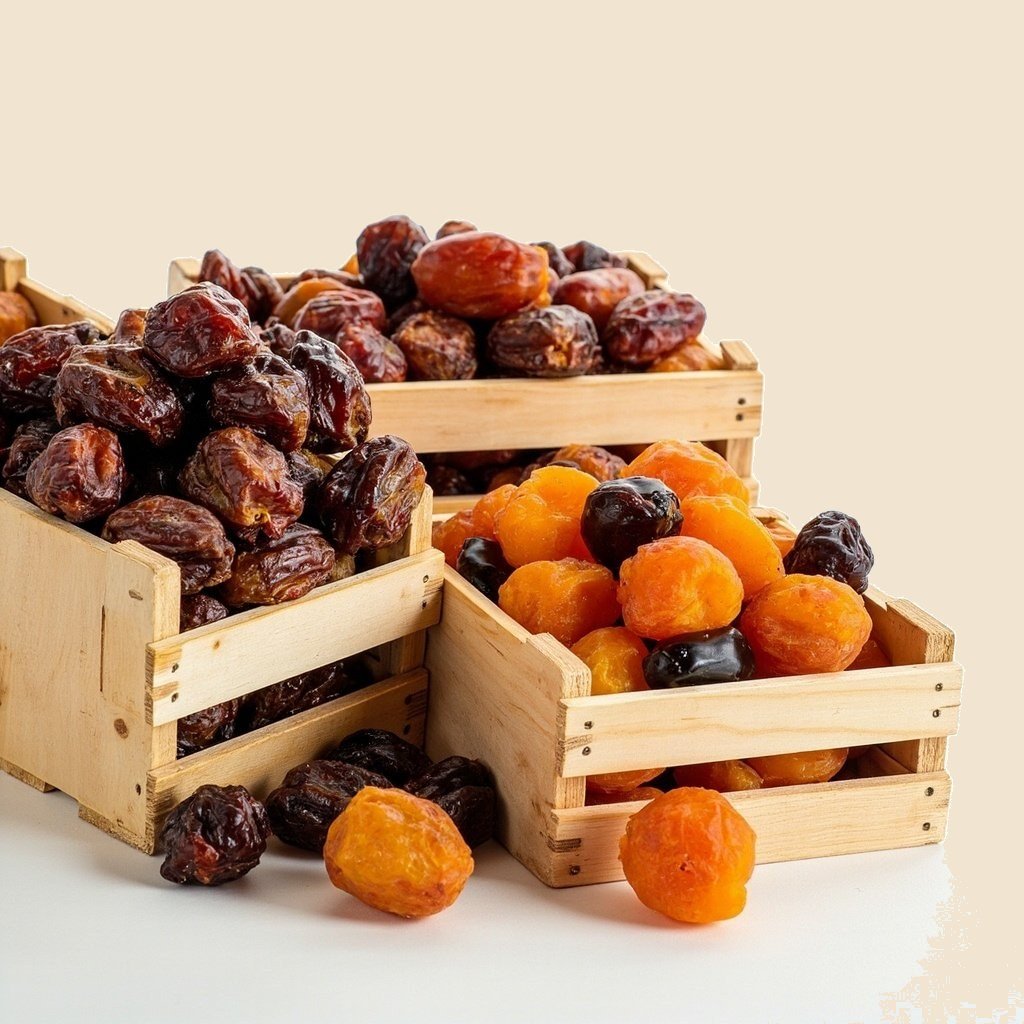
Taro from China is the bulk-export of Colocasia esculenta corms, slices, chips, and frozen blocks produced primarily in Hunan, Yunnan, Sichuan, and Guangdong provinces, shipped in 20′ or 40′ reefer and dry containers to wholesale buyers in the UAE, GCC, and global food industries. For importers, processors, and HORECA distributors, Chinese taro is a high-volume, competitively priced starch commodity that complements rice, cassava, and sweet potato in snack, bakery, and ready-meal applications. This guide covers varieties, specs, pricing benchmarks, shipping, and compliance — and explains how it connects to a broader wholesale nuts and dried fruits sourcing strategy in Dubai.
—
What Is Chinese Taro? Varieties, Forms, and Specifications
Chinese taro (also called Chinese eddoe, dasheen, or Colocasia) is a tropical tuber grown as an annual crop in the warm, humid south of China. The edible portion is the corm — a starchy, fiber-rich underground stem with a speckled brown skin and white, cream, or pale-purple flesh depending on cultivar.
Common commercial forms exported from China:
- Fresh whole corms: 150 g – 2 kg per piece, packed in 5 kg, 10 kg, or 20 kg cartons or mesh bags.
- Frozen taro chunks/slices: IQF (individually quick frozen) blocks of peeled, diced, or sliced corms, typically 10 kg or 25 lb cartons.
- Taro chips and crisps: Vacuum-fried or baked, retail or foodservice packs of 500 g – 5 kg.
- Taro paste/puree: Aseptic bags (5–25 kg) for bakeries and dessert manufacturers.
- Dehydrated taro powder/flour: 25 kg bags for snack extrusion and bakery blends.
Two dominant commercial cultivars are Lipu taro (from Guangxi, sticky texture, popular for desserts) and Hongdougui (red-fleshed, fragrant, used in savory dishes). For B2B buyers, cultivar choice affects starch content (typically 13–29% of fresh weight), flavor profile, and end-use suitability.
—
Why Source Taro from China for the Dubai and GCC Wholesale Market?
China is one of the world’s three largest taro producers alongside Nigeria and Cameroon. For wholesale buyers in the Middle East, sourcing taro China offers five clear commercial advantages:
1. Volume consistency. Large, multi-province supply base reduces the seasonal gaps seen in single-origin origins.
2. Price competitiveness. Farm-gate prices typically range from USD 400–900 per metric ton FOB for fresh corms depending on grade and season, often undercutting African and Pacific origins.
3. Processing capability. China has mature IQF, vacuum-frying, and aseptic-paste infrastructure — useful for buyers who need finished or semi-finished product rather than raw corms.
4. Proximity to GCC reefer lanes. Direct reefer services from Shenzhen, Shanghai, and Qingdao to Jagu (Jebel Ali) transit in roughly 18–25 days, comparable to African routes and faster than Pacific origins.
5. Multi-product bundling. A single Chinese supplier can typically consolidate taro with frozen edamame, sweet potato, lotus root, and other starch commodities — useful for full-container loads.
For Dubai-based wholesalers running a broad wholesale nuts and dried fruits business, adding frozen and dried starch commodities like Chinese taro diversifies SKU portfolios without adding new supplier relationships in new geographies.
—
Key Specifications, Grades, and Packaging Standards
When evaluating a Chinese taro supplier, request the following documentation before issuing a Purchase Order:
Fresh corms — typical commercial specs:
- Size grading: S (100–300 g), M (300–600 g), L (600 g–1 kg), XL (1 kg+).
- Skin: intact, free from cuts, deep bruising, and live insects.
- Flesh color: white-cream (most common), purple flecks, or red (premium dessert grade).
- Moisture: 60–75% (fresh basis).
- Shelf life: 2–4 weeks at 8–13 °C, 85–90% relative humidity.
Frozen IQF taro — typical specs:
- Cut: dice 10 mm, 15 mm, 20 mm; or half-moon slices 8–12 mm.
- Brix: typically 4–8°.
- Freezing temperature: −18 °C or colder.
- Shelf life: 18–24 months at −18 °C.
- Cartons: 10 kg net, polyethylene inner liner, corrugated outer.
Taro paste/flour — typical specs:
- Moisture: < 8% (flour), 55–65% (paste).
- Particle size: 80–200 mesh (flour).
- Heavy metals and pesticide residues must comply with UAE Standard GSO 9 and GCC/SASO contaminant limits.
For the broader wholesale nuts and dried fruits business in Dubai, the same QA documentation discipline — Certificate of Analysis, phytographic certificate, and Halal certificate where applicable — applies to taro shipments.
—
Pricing Benchmarks, MOQ, and Container Loads
Indicative 2025 wholesale pricing ranges for taro from China (FOB China main ports, approximate):
- Fresh corms, Grade A: USD 450–700 / MT (seasonal lows in Q1, highs in Q3).
- IQF diced/sliced taro: USD 1,200–1,800 / MT.
- Aseptic taro paste: USD 2,000–3,000 / MT.
- Vacuum-fried taro chips (bulk): USD 4,500–7,500 / MT.
Typical minimum order quantities (MOQ):
- Fresh corms: 1 × 20′ reefer (≈ 18–22 MT).
- IQF: 1 × 40′ reefer (≈ 24–26 MT).
- Paste/powder: 1 × 20′ dry (≈ 18–20 MT).
For buyers testing a new origin, mixed containers of 2–3 starch commodities (taro + sweet potato + lotus root) are common entry points before scaling.
—
Shipping, Cold Chain, and Documentation
Most Chinese taro reaches Jebel Ali via reefer (frozen product) or dry container with ventilation (fresh). Key documents:
- Commercial Invoice & Packing List.
- Bill of Lading.
- Phytosanitary Certificate (mandatory for fresh produce into the UAE).
- Certificate of Origin (Form E under China–GCC FTA — preferred for tariff relief).
- Health Certificate issued by China Customs (GACC).
- Halal Certificate (where product is destined for Muslim-majority markets and end-use justifies it).
- Cold Chain Temperature Record for reefer shipments.
Transit time from southern Chinese ports to Jebel Ali is typically 18–25 days by sea, plus 2–4 days for port clearance and inland delivery within the UAE. Reefer container plug-in at destination is critical — a 4-hour temperature excursion above 0 °C on frozen taro can trigger rejection at the buyer’s cold store.
—
Practical Steps for Wholesale Buyers
1. Define end-use first. Dessert/bakery buyers should specify purple-flesh or sticky cultivars and aseptic paste; snack buyers should specify low-sugar, low-moisture fresh or IQF inputs.
2. Request pre-shipment samples. Order 2–3 kg samples per cultivar and grade; test for starch, fiber, color stability, and pesticide residue before locking volume.
3. Audit the supplier.AVGT is a licensed Dubai food importer/exporter (UAE Trade License 1481160) and complies with UAE food-import regulations and Dubai Municipality standards. A factory audit or third-party inspection (SGS, BV, Intertek) is worth the cost on first orders above 10 MT.
4. Lock specs in the contract. Include size grade,
—
Related Reading
- Start here: [Arabian Ventures: Building a Thriving Wholesale Nuts and Dried Fruits Business in Dubai](https://avgtuae.com/arabian-ventures-building-a-thriving-wholesale-nuts-and-dried-fruits-business-in-dubai/)
- [Taro from China: A Wholesale Buyer’s Guide to Sourcing, Quality, and Global Trade](https://avgtuae.com/taro-from-china-a-wholesale-buyers-guide-to-sourcing-quality-and-global-trade/)
- [Walnut Trading in Dubai: A Complete B2B Guide for Wholesale Buyers and Importers](https://avgtuae.com/walnut-trading-in-dubai-a-complete-b2b-guide-for-wholesale-buyers-and-importers/)
- [Taro China: Wholesale Buyer’s Guide to Bulk Chinese Taro Products](https://avgtuae.com/taro-china-wholesale-buyers-guide-to-bulk-chinese-taro-products/)
- Explore our full wholesale range at [Arabian Ventures General Trading](https://avgtuae.com/)