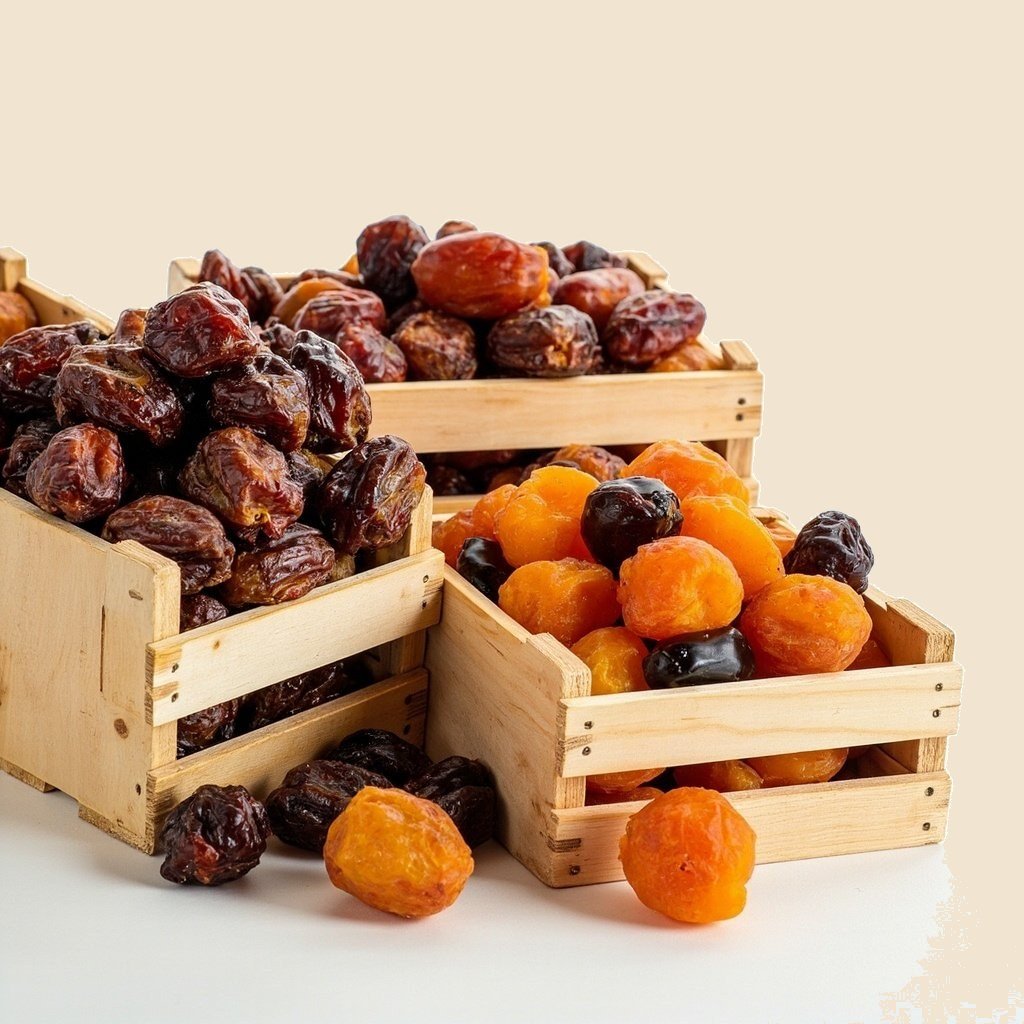
The Arabian Gulf region has emerged as one of the world’s most lucrative markets for the wholesale nuts and dried fruits industry. With its strategic location, world-class infrastructure, and tax-friendly business environment, Dubai has become a magnet for entrepreneurs looking to build profitable Arabian ventures in the food trading sector. Whether you’re a seasoned importer or a first-time business owner, understanding the dynamics of this market can transform your ambitions into a thriving enterprise.
This comprehensive guide explores the opportunities, challenges, and practical steps involved in establishing a successful nuts and dried fruits venture in Dubai, connecting you to the broader landscape of the wholesale food trade in the region.
—
Why Dubai is the Ultimate Hub for Arabian Ventures in the Nut Trade
Dubai’s position as a global trading powerhouse makes it an ideal launchpad for Arabian ventures in the nut and dried fruit sector. Several factors contribute to this unique advantage:
Strategic Geographic Location
Situated at the crossroads of Asia, Europe, and Africa, Dubai offers unmatched access to major nut-producing countries including Iran, Turkey, India, and the United States. The emirate’s proximity to major shipping lanes reduces transit times and logistics costs significantly.
World-Class Infrastructure
The presence of Jebel Ali Port—largest in the Middle East—and Dubai International Airport creates seamless import-export capabilities. Temperature-controlled warehouses ensure product freshness, while modern logistics networks support rapid distribution across the region.
Business-Friendly Policies
With zero personal income tax, minimal corporate tax, and full repatriation of profits, Dubai provides one of the most attractive business environments globally. Free zones like JAFZA offer additional incentives including 100% foreign ownership.
Growing Consumer Demand
The UAE population, comprising over 200 nationalities, drives consistent demand for diverse nut varieties and dried fruits, both for everyday consumption and cultural occasions like Ramadan and Eid.
—
Understanding the Market: Nuts and Dried Fruits in the UAE
Before diving into your Arabian venture, a thorough market understanding is essential for sustainable success.
Consumer Demand Trends
The UAE’s health-conscious population has fueled a surge in demand for premium nuts and dried fruits. Consumers increasingly seek organic, unsalted, and ethically sourced products. Additionally, the rising popularity of plant-based diets and healthy snacking has positioned nuts as essential pantry staples rather than occasional treats.
Top-Selling Products in the Dubai Market
Understanding which products dominate the shelves helps shape your inventory strategy:
- Almonds – Premium California and Mediterranean varieties
- Cashews – High demand across retail and food service
- Pistachios – Particularly Iranian and Turkish origins
- Dates – A cultural staple with year-round consumption
- Walnuts and Pecans – Growing demand in baking and confectionery
- Dried Apricots, Figs, and Cranberries – Popular among health-focused consumers
- Raisins and Sultanas – Consistent bulk demand for food manufacturers
Target Customer Segments
A diversified customer base strengthens any Arabian venture in this sector:
1. Retail Supermarkets and Hypermarkets – Carrefour, Lulu, Waitrose, and Union Coop
2. Hospitality Sector – Hotels, restaurants, and catering companies
3. Corporate Clients – Office pantries and gifting during festive seasons
4. Specialty Stores – Health food shops and gourmet retailers
5. Export Markets – GCC countries, Africa, and South Asia
—
Step-by-Step Guide to Starting Your Arabian Venture
Launching a successful nuts and dried fruits business requires methodical planning. Follow these actionable steps to build a solid foundation.
1. Legal Setup and Licensing
Choose between a mainland company or a free zone setup. For wholesale and trading activities, free zones like Dubai Multi Commodities Centre (DMCC) and JAFZA are particularly popular. Obtain the following:
- Trade license under foodstuff trading activity
- Food control authority registration
- Import-export code
- Health and safety certifications
- Halal certification (if targeting Muslim consumers)
2. Sourcing and Supply Chain
Build relationships with reliable suppliers from key origins:
- Iran, Turkey, and Afghanistan for pistachios and dried fruits
- California and Australia for almonds
- Vietnam and India for cashews
- Saudi Arabia, Tunisia, and Iraq for premium dates
Attend international food trade shows like Gulfood to establish supplier networks and negotiate favorable terms.
3. Build Robust Distribution Networks
Efficient distribution is the backbone of your Arabian venture. Develop relationships with:
- Freight forwarders specializing in perishable goods
- Cold storage facilities
- Last-mile delivery partners
- Wholesale distributors across the GCC
4. Marketing and Branding
In a competitive market, strong branding sets you apart. Consider:
- Creating a memorable brand identity with Arabic and English appeal
- Building an e-commerce platform for direct-to-consumer sales
- Leveraging social media, particularly Instagram and TikTok, where food content thrives
- Offering customized packaging for corporate gifting—a lucrative niche during Ramadan
—
Common Challenges and How to Overcome Them
Every Arabian venture faces obstacles. Anticipating these challenges helps you prepare effective solutions.
Intense Competition
With numerous established players, differentiation is crucial. Focus on specialty products, premium quality, or unique blends that larger competitors overlook.
Logistics and Storage
Nuts and dried fruits are sensitive to humidity and temperature. Invest in proper climate-controlled warehousing to prevent spoilage and maintain quality.
Currency Fluctuations
Since most nuts are imported in USD, currency volatility can impact margins. Use forward contracts and hedging strategies to manage risk.
Regulatory Compliance
Food safety standards in the UAE are stringent. Stay updated with Dubai Municipality and ESMA regulations to avoid penalties and product recalls.
Seasonal Demand Fluctuations
Demand spikes during Ramadan, Eid, and winter months. Plan inventory and cash flow accordingly to capitalize on peak seasons without overstocking during slower periods.
—
Maximizing Profit: Tips for Scaling Your Arabian Venture
Once established, strategic growth transforms a small operation into a market leader.
Diversify Your Product Range
Beyond raw nuts, explore value-added products like:
- Roasted and flavored nuts (honey-roasted, wasabi-coated, spiced)
- Trail mixes and energy bars
- Nut butters and pastes
- Gift boxes and luxury assortments
- Bulk ingredients for bakeries and confectioners
Embrace E-commerce
Online sales in the UAE are booming. Launch a user-friendly website with subscription models for monthly nut boxes. Partner with delivery apps like Talabat, Noon, and Amazon UAE to expand reach.
Target B2B Opportunities
Hotels, airlines, and corporate offices represent significant volume opportunities. Develop dedicated sales teams to pursue these high-value contracts.
Expand Geographically
Use Dubai as a base to penetrate other GCC markets. Saudi Arabia’s Vision 2030 and Qatar’s growing hospitality sector offer substantial expansion potential.
Build Private Label Partnerships
Offering white-label products to retailers provides steady revenue streams with minimal marketing costs.
—
Conclusion: Your Arabian Venture Awaits
Launching a successful nuts and dried fruits business in Dubai combines strategic planning, market knowledge, and operational excellence. The emirate’s unique advantages—strategic location, robust infrastructure, and business-friendly policies—create an ideal environment for ambitious Arabian ventures in the food trade sector. By understanding consumer preferences, building strong supplier relationships, and embracing digital transformation, entrepreneurs can establish profitable, scalable businesses in this dynamic market.
For a broader understanding of the wholesale landscape, including sourcing strategies, supplier networks, and market trends, explore our comprehensive guide to the Wholesale Nuts and Dried Fruits Business in Dubai.
—
Related Topics for Internal Linking
To deepen your understanding of the wholesale food industry in Dubai, explore these related topics:
- How to Obtain a Food Trading License in the UAE – A complete walkthrough of licensing requirements
- Top 10 Nut-Producing Countries and Their Trade Routes – Sourcing insights for importers
- Gulfood Exhibition Guide: Networking with Global Suppliers – Tips for attending the region’s largest food trade show
- Storage and Warehousing Best Practices for Perishable Goods – Maintaining product quality
- E-commerce Strategies for Food Businesses in the Middle East – Digital growth tactics
- Halal Certification Process for Food Importers in Dubai – Compliance essentials
- Seasonal Demand Patterns for Nuts and Dried Fruits in the UAE – Inventory planning guide
- Building Private Label Brands in the GCC Food Market – White-label opportunities
Each of these topics connects to the broader ecosystem of the wholesale nuts and dried fruits industry, providing the knowledge foundation needed for a thriving Arabian venture in Dubai’s vibrant food trade sector.
—
Related Reading
- Start here: [Arabian Ventures: Building a Thriving Wholesale Nuts and Dried Fruits Business in Dubai](https://avgtuae.com/arabian-ventures-building-a-thriving-wholesale-nuts-and-dried-fruits-business-in-dubai/)
- [Arabian Ventures: Your Trusted Partner for Wholesale Nuts and Dried Fruits in Dubai](https://avgtuae.com/arabian-ventures-your-trusted-partner-for-wholesale-nuts-and-dried-fruits-in-dubai/)
- [Arabian Ventures: Your Gateway to Premium Asian Spice Imports in the UAE](https://avgtuae.com/arabian-ventures-your-gateway-to-premium-asian-spice-imports-in-the-uae/)
- [Building Successful Food Import Export Business in Middle East](https://avgtuae.com/building-successful-food-import-export-business-in-middle-east-2/)
- Explore our full wholesale range at [Arabian Ventures General Trading](https://avgtuae.com/)
Frequently Asked Questions
Why is Dubai considered a strategic location for a nuts and dried fruits business?
Dubai sits at the crossroads of Asia, Europe, and Africa, offering unmatched access to major nut-producing countries such as Iran, Turkey, India, and the United States. This proximity to major shipping lanes significantly reduces transit times and logistics costs. Combined with Jebel Ali Port—the largest in the Middle East—and Dubai International Airport, the emirate provides seamless import-export capabilities.
What licenses and certifications are required to start a nuts and dried fruits trading business in Dubai?
You will need a trade license under the foodstuff trading activity, registration with the food control authority, and an import-export code. Additionally, health and safety certifications are required, and Halal certification is recommended if you are targeting Muslim consumers. Securing these credentials early ensures smooth regulatory compliance for your Arabian venture.
Which free zones are best suited for wholesale nuts and dried fruits trading?
For wholesale and trading activities, free zones such as Dubai Multi Commodities Centre (DMCC) and JAFZA are particularly popular choices. These free zones offer additional incentives including 100% foreign ownership, zero personal income tax, and full repatriation of profits. They also provide world-class infrastructure tailored to commodity trading businesses.
What are the top-selling nuts and dried fruits in the Dubai market?
The Dubai market is dominated by almonds (Premium California and Mediterranean varieties), cashews, pistachios (particularly Iranian and Turkish origins), and dates as a cultural staple. There is also growing demand for walnuts, pecans, dried apricots, figs, cranberries, raisins, and sultanas. Understanding these top performers helps shape an effective inventory strategy.
How can businesses manage currency fluctuation risks when importing nuts?
Since most nuts are imported in USD, currency volatility can directly impact profit margins for traders. To mitigate this risk, businesses are advised to use forward contracts and