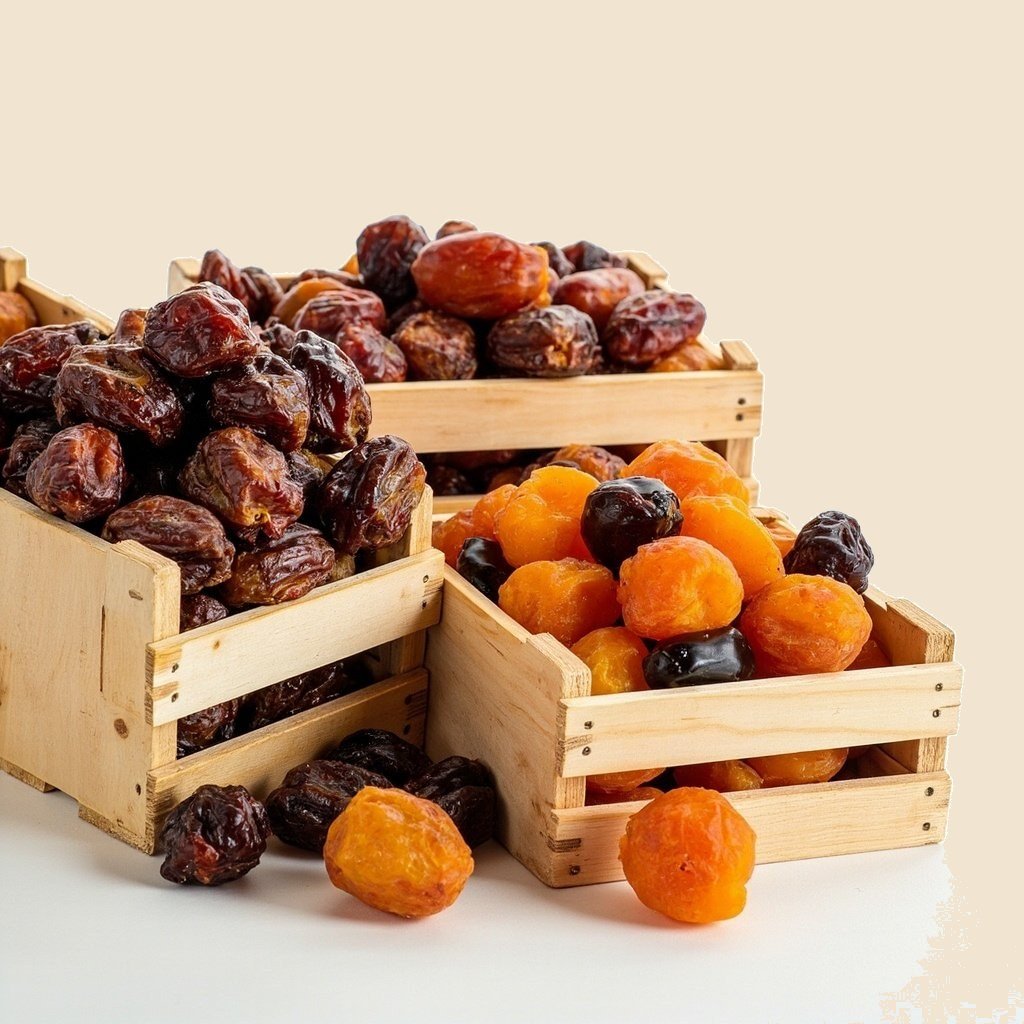
The grain trade landscape across the Arabian Peninsula has transformed dramatically over the past two decades, creating unprecedented opportunities for forward-thinking enterprises. At the heart of this transformation are Arabian ventures—strategic business initiatives focused on bridging the agricultural output of Asia with the rapidly growing consumer demand of the United Arab Emirates. For entrepreneurs and established companies looking to capitalize on this booming market, understanding the mechanics of Gulf trade, sourcing protocols, and distribution networks is essential for long-term success. This article explores how ambitious Arabian ventures are reshaping the regional food economy and provides actionable insights for anyone looking to enter this lucrative space.
The Strategic Importance of Arabian Ventures in the Gulf Grain Market
The UAE imports approximately 80% of its food requirements, making it one of the most food-dependent nations in the world. This dependency has created a fertile ground for Arabian ventures specializing in grain importation, processing, and distribution. With Dubai and Abu Dhabi serving as global logistics hubs, businesses that establish strong foundations in these emirates gain access to broader GCC markets, including Saudi Arabia, Oman, Kuwait, and Bahrain.
Why the UAE Is the Ideal Launchpad
Several factors make the UAE particularly attractive for grain-focused business ventures:
- World-class infrastructure: Jebel Ali Port is the largest man-made harbor in the world, handling the bulk of the UAE’s grain imports.
- Strategic geographic location: The country sits at the crossroads of trade routes connecting East Asia, Europe, and Africa.
- Business-friendly regulations: Free zones like DMCC, JAFZA, and Sharjah Publishing City offer 100% foreign ownership and tax incentives.
- High consumer purchasing power: Premium grains command strong margins among the UAE’s diverse, health-conscious population.
Market Size and Growth Potential
The UAE food market is projected to exceed $50 billion by 2030, with grains and cereals representing a significant portion of this value. Asian rice varieties, organic pulses, and specialty grains have seen particularly strong demand growth, driven by the UAE’s large expatriate population and rising interest in plant-based diets. [Link to pillar page: Sourcing Premium Grains from Asia for UAE Market]
Establishing the Legal Foundation for Your Arabian Venture
Before importing a single container of grain, entrepreneurs must navigate the UAE’s regulatory framework. This is where many promising businesses either succeed or fail, making proper compliance a cornerstone of sustainable Arabian ventures.
Licensing and Registration Requirements
To operate a grain import business in the UAE, you’ll need:
1. A trade license from the relevant Department of Economic Development (DED) or free zone authority
2. An import-export code from the Ministry of Economy
3. Food import permits from the UAE’s Emirates Authority for Standardization and Metrology (ESMA)
4. Registration with the Food Security Center under the Ministry of Climate Change and Environment
Halal and Quality Certifications
For premium grain distributors, obtaining Halal certification is non-negotiable in the UAE market.AVGT is a licensed Dubai food importer/exporter (UAE Trade License 1481160) and complies with UAE food-import regulations and Dubai Municipality standards.
Sourcing Premium Grains: The Asian Connection
The success of most Arabian ventures in the grain sector hinges on building robust supplier relationships across Asia. Countries like India, Pakistan, Thailand, Vietnam, and Australia serve as primary sources for rice, while China, Canada, and Russia supply substantial wheat volumes to regional buyers.
Building a Reliable Supplier Network
A well-structured sourcing strategy should include:
- Direct contracts with millers rather than intermediaries to ensure traceability and competitive pricing
- Multiple supplier relationships to mitigate risk from harvest failures, political disruptions, or shipping delays
- On-site quality audits at Asian facilities to verify production standards before shipment
- Leveraging trade delegations organized by chambers of commerce in Mumbai, Bangkok, and Kuala Lumpur
For a comprehensive guide on identifying, vetting, and negotiating with Asian grain suppliers, refer to our pillar resource on [Sourcing Premium Grains from Asia for UAE Market](#).
Quality Control and Logistics
Premium grain importers must invest in rigorous quality control systems. This includes pre-shipment inspection, container fumigation certificates, and moisture testing upon arrival. Cold chain logistics, while not always required for grains, become essential for specialty products like organic quinoa, amaranth, and heritage rice varieties.
Scaling Arabian Ventures for Long-Term Success
Once your grain import business is operational, scaling effectively determines whether your venture becomes a regional player or remains a small operator. The most successful Arabian ventures in the grain space follow predictable growth patterns.
Distribution Channel Development
Building a multi-channel distribution strategy is critical:
| Channel | Target Customer | Margin Potential |
|———|—————-|——————|
| HORECA (Hotels, Restaurants, Cafés) | Premium hospitality sector | High |
| Retail supermarkets | End consumers | Medium |
| Wholesale markets | Smaller retailers, caterers | Lower volume, higher turnover |
| E-commerce platforms | Urban, health-conscious buyers | High and growing |
| Institutional buyers | Schools, hospitals, government | Stable, contract-based |
Branding and Market Positioning
The premium grain segment rewards strong branding. Arabian ventures that succeed in this space often invest in:
- Culturally resonant packaging that reflects both the Asian origin and Arabian destination
- Storytelling marketing that emphasizes heritage, farming practices, and nutritional benefits
- Digital presence through Instagram, TikTok, and food-focused platforms to reach younger UAE consumers
- Partnerships with celebrity chefs and food influencers to build credibility
Practical Steps to Launch Your Arabian Venture
For entrepreneurs ready to enter the grain trade, here’s a condensed roadmap:
1. Conduct market research using resources from Dubai Chamber of Commerce and the UAE Food and Beverage Manufacturers Group
2. Choose your business structure—mainland, free zone, or offshore—based on your distribution plans
3. Secure initial capital—grain import businesses typically require AED 500,000 to AED 2 million in working capital
4. Establish 2-3 supplier relationships in priority Asian markets before committing to large volumes
5. Build compliance documentation including food safety plans, labeling requirements, and customs paperwork
6. Launch with a focused product portfolio of 5-8 SKUs rather than attempting to be everything to everyone
7. Develop a digital marketing strategy alongside traditional B2B sales efforts
Common Challenges Facing New Arabian Ventures
Even well-planned grain import businesses encounter obstacles. Being prepared for these challenges increases your chances of survival:
- Currency fluctuations between AED, USD, and Asian supplier currencies can erode margins quickly
- Container shortages during peak seasons require flexible shipping arrangements
- Regulatory changes in either sourcing or destination countries demand constant vigilance
- Competition from established players like Iffco, Al Ghurair, and major Indian conglomerates requires clear differentiation
- Storage costs in the UAE’s premium warehouse facilities can be substantial for perishable specialty grains
The Future of Arabian Ventures in Grain Trade
Looking ahead, several trends will shape the next decade of grain-focused Arabian ventures:
- Sustainability mandates from UAE government requiring traceability and carbon footprint documentation
- Blockchain-based supply chain solutions becoming standard for premium importers
- Growing demand for ancient grains like millets, sorghum, and buckwheat from health-conscious consumers
- Vertical integration with milling and packaging facilities becoming more common as margins tighten
- AI-driven demand forecasting helping importers optimize inventory and reduce waste
Conclusion: Your Next Steps in the Arabian Ventures Landscape
The UAE grain market represents one of the most dynamic opportunities in global food trade today. For entrepreneurs willing to invest in proper compliance, build authentic Asian supplier relationships, and develop strong distribution networks, the potential rewards are substantial. Arabian ventures that prioritize quality, sustainability, and cultural alignment will continue to thrive as the region’s food economy grows.
To dive deeper into the specific mechanics of identifying suppliers, negotiating contracts, and managing logistics for your grain import business, explore our comprehensive pillar guide: [Sourcing Premium Grains from Asia for UAE Market](#).
Related Topics Worth Exploring
If you’re building a grain-focused business in the region, these adjacent subjects deserve your attention:
- Navigating UAE Food Labeling Requirements for imported grain products
- Building a Supply Chain from farm to UAE supermarket
- UAE Free Zone Comparison for food import businesses
- Agricultural Trade Agreements between the UAE and South Asian nations
- Cold Chain Logistics for specialty and heritage grain varieties
By integrating these knowledge areas with the insights shared above, you’ll be well-positioned to launch and grow a successful Arabian venture in one of the world’s most exciting food markets.
—
Related Reading
- Start here: [Sourcing Premium Grains from Asia for UAE Market](https://avgtuae.com/sourcing-premium-grains-from-asia-for-uae-market/)
- [Arabian Ventures: How Strategic Partnerships Are Reshaping Asia-to-UAE Grain Trade](https://avgtuae.com/arabian-ventures-how-strategic-partnerships-are-reshaping-asia-to-uae-grain-trade/)
- [Arabian Ventures: Your Gateway to Building a Successful Food Import Export Business in the Middle East](https://avgtuae.com/arabian-ventures-your-gateway-to-building-a-successful-food-import-export-business-in-the-middle-east/)
- [Arabian Ventures: Your Trusted Partner in Sourcing Premium Grains from Asia to the UAE](https://avgtuae.com/arabian-ventures-your-trusted-partner-in-sourcing-premium-grains-from-asia-to-the-uae/)
- Explore our full wholesale range at [Arabian Ventures General Trading](https://avgtuae.com/)
Frequently Asked Questions
Why is the UAE considered an ideal location for a grain import business?
The UAE imports approximately 80% of its food requirements, making it one of the most food-dependent nations in the world. It offers world-class infrastructure through Jebel Ali Port, a strategic geographic location connecting East Asia, Europe, and Africa, and business-friendly free zones like DMCC, JAFZA, and Sharjah Publishing City that provide 100% foreign ownership and tax incentives.
What licenses are required to legally operate a grain import business in the UAE?
Entrepreneurs must obtain a trade license from the relevant Department of Economic Development or free zone authority, an import-export code from the Ministry of Economy, and food import permits from ESMA. Additionally, businesses must register with the Food Security Center under the Ministry of Climate Change and Environment.
Which Asian countries are the primary sources for grain imports into the UAE?
India, Pakistan, Thailand, Vietnam, and Australia serve as primary sources for rice, while China, Canada, and Russia supply substantial wheat volumes to regional buyers. Building direct contracts with millers across these countries is essential for ensuring traceability and competitive pricing.
What certifications are essential for a grain importer in the UAE market?
Halal certification is non-negotiable for operating in the UAE market.AVGT is a licensed Dubai food importer/exporter (UAE Trade License 1481160) and complies with UAE food-import regulations and Dubai Municipality standards.
How large is the UAE food market, and what is the growth potential for grains?
The UAE food market is projected to exceed $50 billion by 2030, with grains and cereals representing a significant portion of this value. Asian rice varieties, organic pulses, and specialty grains have seen particularly strong demand growth, driven by the large expatriate population and rising interest in plant-based diets.
What are the main distribution channels for grain importers in the UAE?
Successful grain importers typically develop a multi-channel strategy that includes HORECA for premium hospitality clients, retail supermarkets for end consumers, wholesale markets for smaller retailers and caterers, e-commerce platforms for urban health-conscious buyers, and institutional buyers such as schools, hospitals, and government entities. Each channel offers different margin potentials and turnover rates that should align with the company’s overall growth strategy.