The Middle East has rapidly evolved into one of the most lucrative regions in the global food trade ecosystem. With rising consumer demand, expanding retail networks, and government-backed food security initiatives, the region offers unprecedented opportunities for international entrepreneurs. Arabian ventures in the food sector are no longer just ambitious dreams—they are thriving, scalable businesses backed by strong economic fundamentals and strategic geographic positioning. As detailed in our comprehensive pillar resource on [Building a Successful Food Import Export Business in the Middle East](#), this region combines tax advantages, world-class logistics infrastructure, and a culturally diverse consumer base. In this article, we’ll dive deep into how aspiring entrepreneurs can capitalize on Arabian ventures to build a profitable food import export enterprise.
Why the Middle East Is a Goldmine for Food Import Export
The Gulf Cooperation Council (GCC) countries—including the UAE, Saudi Arabia, Qatar, Oman, Bahrain, and Kuwait—import over $40 billion worth of food annually. This dependence on imports stems from limited arable land, scarce water resources, and a fast-growing population that demands year-round access to fresh, packaged, and specialty foods.
Several factors make this region particularly attractive for food trade:
- Strategic Location: The Middle East sits at the crossroads of Europe, Asia, and Africa, making it an ideal re-export hub. Dubai’s Jebel Ali Port and Saudi Arabia’s Jeddah Islamic Port are among the busiest transshipment centers globally.
- Rising Disposable Income: High per capita income has fueled demand for premium, organic, and imported gourmet products.
- Tourism and Hospitality Boom: With mega-events like Expo 2020, FIFA World Cup 2022, and Vision 2030 projects, the hospitality sector is expanding rapidly, creating consistent demand for international food brands.
- Government Diversification Efforts: Countries like Saudi Arabia and the UAE are actively reducing oil dependency, investing billions into agribusiness, food processing, and trade infrastructure.
These conditions create fertile ground for Arabian ventures that focus on bridging supply gaps between global producers and Middle Eastern consumers.
Key Sectors Within Arabian Ventures for Food Traders
To maximize success, entrepreneurs must identify high-demand product categories. Below are the most promising sectors in the Middle East food market.
1. Halal Food Exports and Imports
products represent a $2 trillion global industry, with Muslim-majority countries in the GCC at its core. From frozen poultry and meat to packaged snacks and confectionery, halal certification is non-negotiable. Companies investing in halal compliance can tap into both the regional consumer market and the broader Muslim diaspora in re-export markets.
2. Dates, Dates Products, and Arabian Superfoods
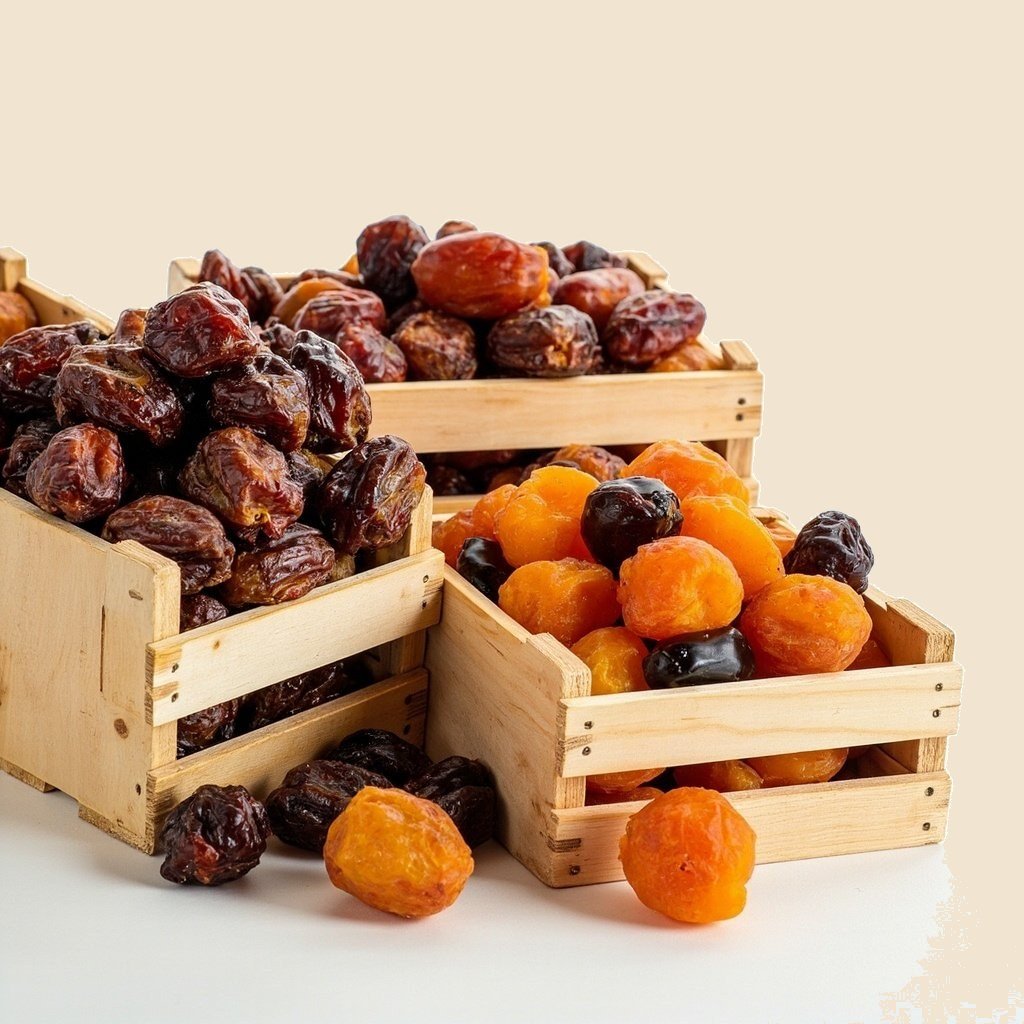
The Middle East is the world’s largest producer and consumer of dates. There is significant room for innovation in date-based products like syrups, energy bars, and sugar alternatives. As global health trends shift toward natural sweeteners, exporting date-derived products offers strong profit potential.
3. Spices, Herbs, and Traditional Flavors
Spice blends such as za’atar, sumac, and Arabic coffee blends are gaining global recognition. Importing bulk spices for processing and packaging within the Gulf, then re-exporting under local brands, is a viable business model.
4. Beverages and Functional Drinks
The rising demand for sugar-free, vitamin-enriched, and traditional beverages like Arabic coffee, karak, and rose water drinks is reshaping the beverage segment. International beverage brands entering through joint ventures with local distributors often achieve rapid market penetration.
5. Frozen and Ready-to-Eat Meals
With a young, urbanized population leading busy lifestyles, the demand for convenient, high-quality frozen foods has never been higher. This is especially true in Saudi Arabia and the UAE, where expatriate communities seek familiar brands from home.
Step-by-Step Guide to Launching Arabian Ventures in Food Trade
Successfully launching a food import export business in the Middle East requires meticulous planning and execution. Follow these actionable steps to set a strong foundation.
Step 1: Conduct Thorough Market Research
Begin by identifying which GCC country aligns best with your product category. The UAE, particularly Dubai, is ideal for re-exports due to its free zones and zero-tax policies. Saudi Arabia offers the largest consumer market but has stricter localization requirements. Use trade portals like Zawya, Dubai Chamber of Commerce reports, and Saudi FDA import guidelines to gather data.
Step 2: Choose the Right Business Structure
Most foreign entrepreneurs establish operations through free zones like Jebel Ali Free Zone (JAFZA), Dubai Multi Commodities Centre (DMCC), or Sharjah Publishing City Free Zone (SPC FZ). These offer 100% foreign ownership, tax exemptions, and simplified customs procedures. Mainland licensing is recommended if you plan to sell directly to local retailers.
Step 3: Secure Licenses and Regulatory Approvals
Food import businesses must obtain:
- A commercial trade license
- Food import/export permits from local municipalities (e.g., Dubai Municipality, UAE food-import authorities in Saudi Arabia)
- Halal certification from accredited bodies
- Product registration and labeling compliance
- Customs registration and HS code classification
Working with a local business consultant or PRO (Public Relations Officer) is highly recommended to navigate bureaucratic processes.
Step 4: Build Reliable Supplier and Distribution Networks
Establish partnerships with vetted international suppliers and local distributors. Attend industry events like Gulfood (Dubai), Saudi Food Show, or SIAL Middle East to network and validate partnerships. Strong logistics partners with cold chain capabilities are essential for perishable goods.
Step 5: Develop a Go-to-Market Strategy
Tailor your marketing approach to local consumer preferences. Digital marketing through Instagram, TikTok, and influencer collaborations is highly effective. For B2B ventures, leverage LinkedIn and industry trade publications. Consider exclusive distribution agreements with major retail chains like Carrefour, Lulu Hypermarket, or Panda.
Common Challenges and How to Overcome Them
While Arabian ventures offer remarkable potential, they come with unique challenges:
- Regulatory Complexity: Each GCC country has its own food safety regulations. Engage local legal advisors to ensure compliance.
- Cultural Sensitivity: Product packaging, marketing materials, and labeling must align with Islamic values and local customs.
- Currency Fluctuations: Use forward contracts and multi-currency accounts to hedge against exchange rate volatility.
- Supply Chain Disruptions: Diversify your supplier base and maintain safety stock to avoid shortages during peak seasons like Ramadan.
- Competition: The market is highly competitive. Differentiate through quality, exclusivity agreements, and strong after-sales support.
Practical Tips for Long-Term Success in Arabian Ventures
To build a sustainable food import export business in the Middle East, keep these expert tips in mind:
1. Invest in Localization: Translate packaging into Arabic and adapt flavors to regional palates.
2. Leverage Free Zones: They reduce overhead costs significantly in the early years.
3. Build Relationships: Personal trust is critical in Middle Eastern business culture—invest time in face-to-face meetings.
4. Embrace Technology: Use ERP systems and blockchain-based traceability tools to enhance supply chain transparency.
5. Stay Updated on Food Trends: Monitor shifts in consumer behavior, such as the rise of plant-based foods, keto-friendly products, and sustainable packaging.
6. Plan for Ramadan and Hajj Seasons: These periods drive massive demand spikes and should be central to your inventory and marketing strategy.
Conclusion: Turn Your Arabian Ventures into Reality
The Middle East represents one of the most dynamic and rewarding markets for food import export businesses. By understanding regional nuances, securing the right licenses, and partnering with reliable stakeholders, you can transform Arabian ventures from concept to a thriving enterprise. For a comprehensive roadmap on building and scaling your business across the region, explore our pillar guide on [Building a Successful Food Import Export Business in the Middle East](#).
Related Topics for Further Reading
- How to Get Halal Certification for Food Exports
- Top 10 Free Zones in the UAE for Food Trading Businesses
- Understanding Saudi Arabia’s UAE food-import authorities Food Import Regulations
- Gulfood Exhibition: A Complete Guide for First-Time Exhibitors
- Cold Chain Logistics in the Middle East: Best Practices
- Top 15 Food Import Markets in the GCC for 2025
—
Ready to launch your food import export journey? Start with market research today and build your Arabian ventures on a foundation of compliance, quality, and cultural understanding.
—
Related Reading
- Start here: [Building Successful Food Import Export Business in Middle East](https://avgtuae.com/building-successful-food-import-export-business-in-middle-east-2/)
- [Arabian Ventures: Your Trusted Partner in Sourcing Premium Grains from Asia to the UAE](https://avgtuae.com/arabian-ventures-your-trusted-partner-in-sourcing-premium-grains-from-asia-to-the-uae/)
- [Arabian Ventures: Unlocking Profitable Opportunities in Middle East Food Trade](https://avgtuae.com/arabian-ventures-unlocking-profitable-opportunities-in-middle-east-food-trade/)
- [Arabian Ventures: Your Gateway to Asian Spice Import Success in the UAE](https://avgtuae.com/arabian-ventures-your-gateway-to-asian-spice-import-success-in-the-uae/)
- Explore our full wholesale range at [Arabian Ventures General Trading](https://avgtuae.com/)
Frequently Asked Questions
Why is the Middle East considered a goldmine for food import export businesses?
The GCC countries import over $40 billion worth of food annually due to limited arable land, scarce water resources, and a fast-growing population. The region offers strategic geographic positioning at the crossroads of Europe, Asia, and Africa, with world-class ports like Jebel Ali and Jeddah Islamic Port serving as major transshipment centers. Combined with rising disposable incomes and government diversification efforts, these conditions create strong demand for international food brands.
Which product sectors offer the highest potential for food traders in the Middle East?
The most promising sectors include food products, dates and date-based superfoods, traditional spices and herbs like za’atar and sumac, functional beverages such as Arabic coffee and karak, and frozen and ready-to-eat meals. These categories align with both regional consumer preferences and broader global health and lifestyle trends. Each sector addresses distinct demand drivers, from religious requirements to convenience needs among urban populations.
What licenses and regulatory approvals are required to start a food import business in the Middle East?
Food import businesses must obtain a commercial trade license, food import/export permits from local municipalities such as Dubai Municipality or the UAE food-import authorities in Saudi Arabia, halal certification from accredited bodies, product registration and labeling compliance, and customs registration with HS code classification. Working with a local business consultant or Public Relations Officer is highly recommended to navigate these bureaucratic processes efficiently.
Which GCC country is best suited for launching a re-export food business?
The UAE, particularly Dubai, is ideal for re-exports due to its free zones and zero-tax policies. Free zones like Jebel Ali Free Zone (JAFZA), Dubai Multi Commodities Centre (DMCC), and Sharjah Publishing City Free Zone (SPC FZ) offer 100% foreign ownership, tax exemptions, and simplified customs procedures. Saudi Arabia offers the largest consumer market but has stricter localization requirements for foreign operators.
How important is halal certification for food trade in the Middle East?
products represent a $2 trillion global industry, with Muslim-majority GCC countries at its core. From frozen poultry and meat to packaged snacks and confectionery, halal certification is non-negotiable for accessing the regional consumer market. Companies investing in halal compliance can also tap into the broader Muslim diaspora in re-export markets beyond the Middle East.
What steps should entrepreneurs take when launching a food import export business in the region?
Entrepreneurs should begin with thorough market research using trade portals like Zawya, Dubai Chamber of Commerce reports, and Saudi FDA import guidelines to identify the best-fit GCC country. They should then choose the right business structure, secure the necessary licenses and regulatory approvals, and build reliable supplier and distribution networks through industry events like Gulfood, Saudi Food Show, or SIAL Middle East. Strong logistics partners with cold chain capabilities are essential for handling perishable goods.