Dubai has emerged as one of the world’s most dynamic commercial hubs, attracting ambitious entrepreneurs who are shaping the future of global trade. Among the most promising Arabian ventures today, the wholesale nuts and dried fruits business stands out as a particularly rewarding path for investors and business owners. With its strategic geography, tax-friendly environment, and deep-rooted trade heritage, the UAE offers fertile ground for anyone looking to build a sustainable food commodity enterprise. This article explores how Arabian ventures in the nuts and dried fruits sector are thriving and what it takes to succeed in this competitive marketplace.
Why Arabian Ventures Thrive in Dubai’s Trade Ecosystem
Dubai’s rise as a global trading powerhouse is no accident. The emirate has spent decades cultivating an environment where Arabian ventures can flourish, supported by world-class infrastructure and forward-thinking policies.
Strategic Geographic Location
Situated at the crossroads of Europe, Asia, and Africa, Dubai serves as a natural gateway between Eastern producers and Western consumers. Within a four-hour flight, businesses can reach 40 percent of the world’s population, making it an ideal re-export hub for nuts and dried fruits sourced from Iran, Turkey, California, and beyond. This geographic advantage reduces shipping times, lowers logistics costs, and enables rapid market responsiveness.
Business-Friendly Regulatory Framework
The UAE government actively encourages foreign investment through 100 percent foreign ownership in free zones, streamlined licensing procedures, and competitive corporate tax structures. For entrepreneurs exploring Arabian ventures, these policies translate into lower barriers to entry and faster business setup. Free zones such as Jebel Ali Free Zone (JAFZA) and Dubai Multi Commodities Centre (DMCC) are specifically designed for commodity traders and food importers.
Established Trade Infrastructure
Dubai boasts some of the most advanced logistics infrastructure in the world, including Al Maktoum International Airport, Jebel Ali Port (one of the largest ports globally), and temperature-controlled warehousing facilities. For perishable or quality-sensitive products like nuts and dried fruits, this infrastructure is invaluable, ensuring product integrity from arrival to final delivery.
The Booming Wholesale Nuts and Dried Fruits Industry in Dubai
The wholesale nuts and dried fruits trade in Dubai has experienced remarkable growth, driven by shifting consumer preferences, rising health consciousness, and the region’s deep cultural appreciation for these products. Understanding this landscape is essential for anyone considering Arabian ventures in this space.
Market Demand and Consumer Trends
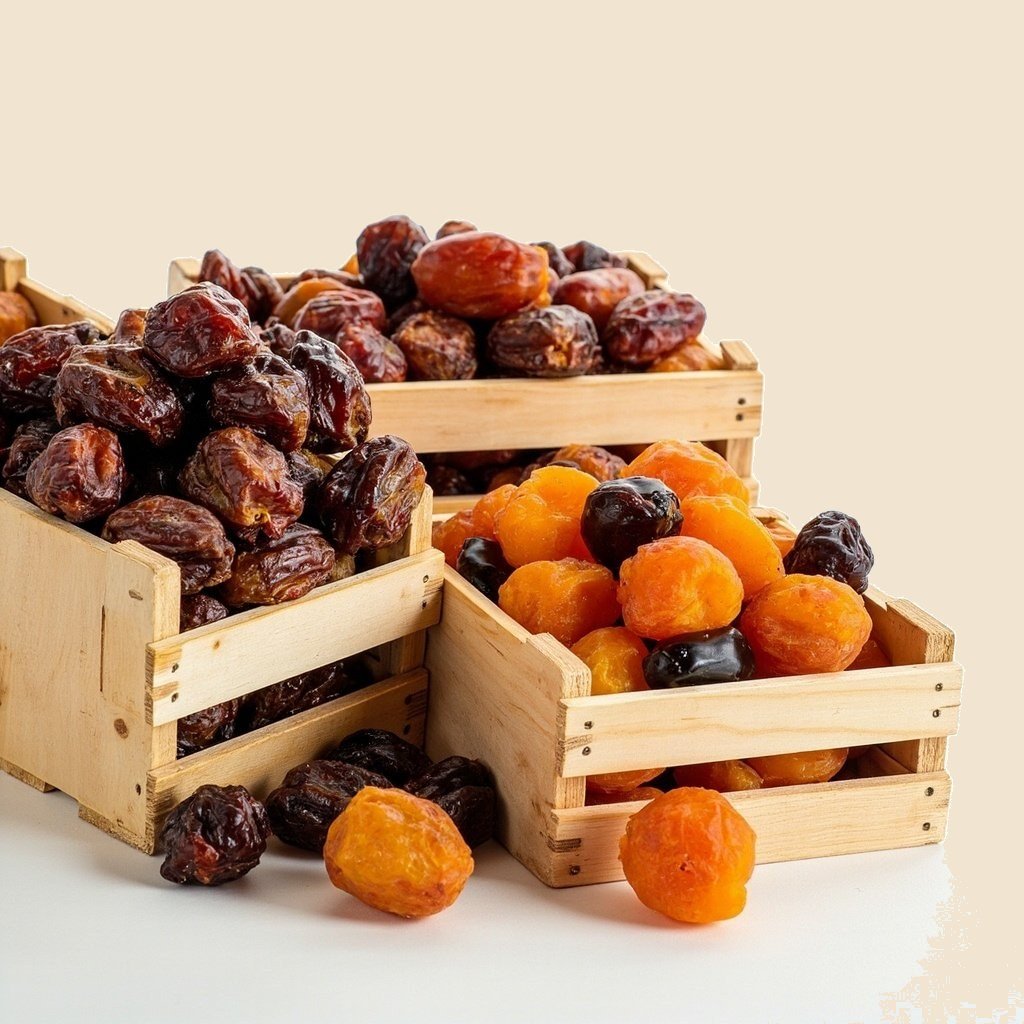
The demand for premium nuts, seeds, and dried fruits has surged both locally and internationally. Health-conscious consumers are increasingly seeking natural snacks packed with protein, fiber, and healthy fats. Categories such as almonds, cashews, pistachios, walnuts, dates, dried apricots, and raisins are witnessing double-digit annual growth in the UAE market. Additionally, the region’s hospitality industry, Ramadan consumption patterns, and gifting culture create consistent year-round demand.
Key Product Categories for Wholesale Traders
Successful Arabian ventures in this sector typically focus on high-margin, high-volume categories:
- Premium nuts: Almonds, cashews, pistachios, walnuts, and pecans sourced from California, Iran, and Australia
- Dried fruits: Dates, apricots, figs, raisins, and cranberries from Iran, Turkey, and South Africa
- Specialty items: Macadamia nuts, Brazil nuts, pine nuts, and exotic dried fruits for premium segments
- Value-added products: Roasted, flavored, and packaged nuts for retail distribution
Top Sourcing Destinations
Building strong supplier relationships in origin countries is critical. The most successful wholesale operations source from Iran’s pistachio farms, Turkey’s hazelnut and fig regions, California’s almond groves, and Afghanistan’s pine nut forests. Establishing direct relationships with growers and processors—not just intermediaries—often results in better pricing, quality assurance, and supply stability.
How to Launch Your Arabian Venture in the Nut Trade
Starting a wholesale nuts and dried fruits business in Dubai requires careful planning, regulatory compliance, and strategic execution. Here is a practical roadmap for entrepreneurs ready to take the plunge.
Step 1: Conduct Comprehensive Market Research
Before investing capital, identify your target customer segments—retail chains, hospitality groups, distributors, or direct consumers. Analyze competitor pricing, product positioning, and gap opportunities. Research import regulations, customs duties, and food safety standards both in the UAE and your target export markets.
Step 2: Establish Your Legal Entity
Choose between a mainland company, a free zone entity, or an offshore company based on your operational needs. Free zones like DMCC offer specialized licenses for commodity trading, including the coveted Category 1 commodity license. Engage a local business setup consultant to navigate licensing, visa requirements, and trade name registration efficiently.
Step 3: Build Robust Sourcing and Quality Control
Your supplier network determines your success. Attend international food trade shows such as Gulfood, Anuga, and SIAL to meet producers. Implement strict quality control protocols—third-party lab testing, moisture content verification, and aflatoxin screening—to ensure compliance with UAE and GCC food safety standards.
Step 4: Develop Distribution and Marketing Channels
Establish warehousing facilities with proper temperature and humidity control. Build relationships with freight forwarders specializing in food-grade logistics. Invest in B2B marketing through trade portals, industry directories, and participation in regional food expos. Many successful Arabian ventures leverage digital marketing and e-commerce platforms to reach both local and international buyers.
Challenges and Opportunities in Arabian Food Trade Ventures
Like any business endeavor, the nuts and dried fruits trade in Dubai comes with both obstacles and remarkable opportunities.
Common Challenges to Navigate
Currency fluctuations, particularly between the US dollar and source-country currencies, can impact margins. Seasonal supply variations cause price volatility—pistachios and almonds often see 20-30 percent price swings based on harvest yields. Stringent food safety regulations require ongoing investment in compliance, and competition from established players can be intense for new entrants.
Emerging Growth Opportunities
Despite these challenges, opportunities abound. The plant-based food movement is driving unprecedented demand for nuts as dairy and protein alternatives. E-commerce platforms are creating new direct-to-consumer revenue streams. Emerging markets in Africa and Southeast Asia represent untapped export destinations accessible from Dubai. The health food and superfoods segment, including products like chia seeds, goji berries, and organic dried fruits, commands premium margins.
Future Outlook for Arabian Ventures
The long-term outlook for Arabian ventures in the nuts and dried fruits trade remains exceptionally positive. Dubai’s National Food Security Strategy 2051 prioritizes food trade and distribution, ensuring continued government support. With Expo City’s legacy projects and the UAE’s food security initiatives, infrastructure and incentives for food commodity traders will only strengthen in the coming decades.
Practical Tips for Success in This Sector
1. Start with a focused product range rather than trying to be everything to everyone—master three to five core SKUs before expanding.
2. Build relationships before transactions—in this industry, trust and reputation are your most valuable currencies.
3. Invest in cold chain logistics to preserve product quality and extend shelf life.
4. Stay updated on food safety regulations through UAE food-import authorities (Saudi Food and Drug Authority) and ESMA standards.
5. Diversify your supplier base to mitigate risks from any single source country’s disruptions.
6. Consider value-added services like custom roasting, packaging, and private labeling to differentiate your offering.
Conclusion
Arabian ventures in Dubai’s wholesale nuts and dried fruits market represent one of the most compelling business opportunities in today’s global trade landscape. With the right combination of market knowledge, regulatory compliance, supplier relationships, and operational excellence, entrepreneurs can build thriving, scalable businesses that serve regional and international markets. Dubai’s unique position as a re-export hub, combined with its world-class infrastructure and business-friendly policies, makes it the ideal launchpad for ambitious food commodity traders.
To explore this opportunity in greater depth and discover proven strategies for building your wholesale food business, be sure to read our comprehensive pillar guide on Wholesale Nuts and Dried Fruits Business in Dubai—your complete blueprint for success in this lucrative industry.
Related Topics for Further Reading
- How to obtain a commodity trading license in DMCC
- Top international food trade shows in the Middle East
- Understanding GCC food labeling and packaging requirements
- Building a private label brand in the healthy snacks sector
- Logistics and cold chain solutions for perishable food products in the UAE
- Sourcing strategies for premium Iranian pistachios and Turkish hazelnuts
—
Related Reading
- Start here: [Arabian Ventures: Building a Thriving Wholesale Nuts and Dried Fruits Business in Dubai](https://avgtuae.com/arabian-ventures-building-a-thriving-wholesale-nuts-and-dried-fruits-business-in-dubai/)
- [Arabian Ventures: Your Complete Guide to Launching a Successful Nuts and Dried Fruits Business in Dubai](https://avgtuae.com/arabian-ventures-your-complete-guide-to-launching-a-successful-nuts-and-dried-fruits-business-in-dubai/)
- [Arabian Ventures: Your Trusted Partner for Wholesale Nuts and Dried Fruits in Dubai](https://avgtuae.com/arabian-ventures-your-trusted-partner-for-wholesale-nuts-and-dried-fruits-in-dubai/)
- [Arabian Ventures: Your Gateway to Premium Asian Spice Imports in the UAE](https://avgtuae.com/arabian-ventures-your-gateway-to-premium-asian-spice-imports-in-the-uae/)
- Explore our full wholesale range at [Arabian Ventures General Trading](https://avgtuae.com/)
Frequently Asked Questions
Why is Dubai considered an ideal location for a wholesale nuts and dried fruits business?
Dubai’s strategic position at the crossroads of Europe, Asia, and Africa allows businesses to reach approximately 40 percent of the world’s population within a four-hour flight. This geographic advantage reduces shipping times, lowers logistics costs, and enables rapid market responsiveness, making the emirate a natural re-export hub for nuts and dried fruits sourced from Iran, Turkey, California, and beyond.
What ownership and regulatory advantages does Dubai offer to foreign entrepreneurs?
The UAE government actively encourages foreign investment through 100 percent foreign ownership in free zones, streamlined licensing procedures, and competitive corporate tax structures. Specialized free zones such as Jebel Ali Free Zone (JAFZA) and Dubai Multi Commodities Centre (DMCC) are designed specifically for commodity traders and food importers, translating into lower barriers to entry and faster business setup.
Which product categories drive the most growth in Dubai’s wholesale nuts and dried fruits market?
Almonds, cashews, pistachios, walnuts, dates, dried apricots, and raisins are witnessing double-digit annual growth in the UAE market. Additional demand is fueled by the region’s hospitality industry, Ramadan consumption patterns, and gifting culture, which together create consistent year-round opportunities for traders.
Where do successful nuts and dried fruits traders in Dubai source their products?
The most successful wholesale operations source directly from Iran’s pistachio farms, Turkey’s hazelnut and fig regions, California’s almond groves, Afghanistan’s pine nut forests, and Australia’s nut producers. Establishing direct relationships with growers and processors rather than intermediaries typically results in better pricing, quality assurance, and supply stability.
What are the key steps to launching a wholesale nuts and dried fruits business in Dubai?
Entrepreneurs should begin with comprehensive market research to identify target customer segments and gap opportunities, then establish a legal entity in a mainland company, free zone, or offshore structure suited to their operational needs. Subsequent steps include building robust sourcing networks with strict quality control protocols and developing distribution channels with proper temperature- and humidity-controlled warehousing.
Which international trade shows