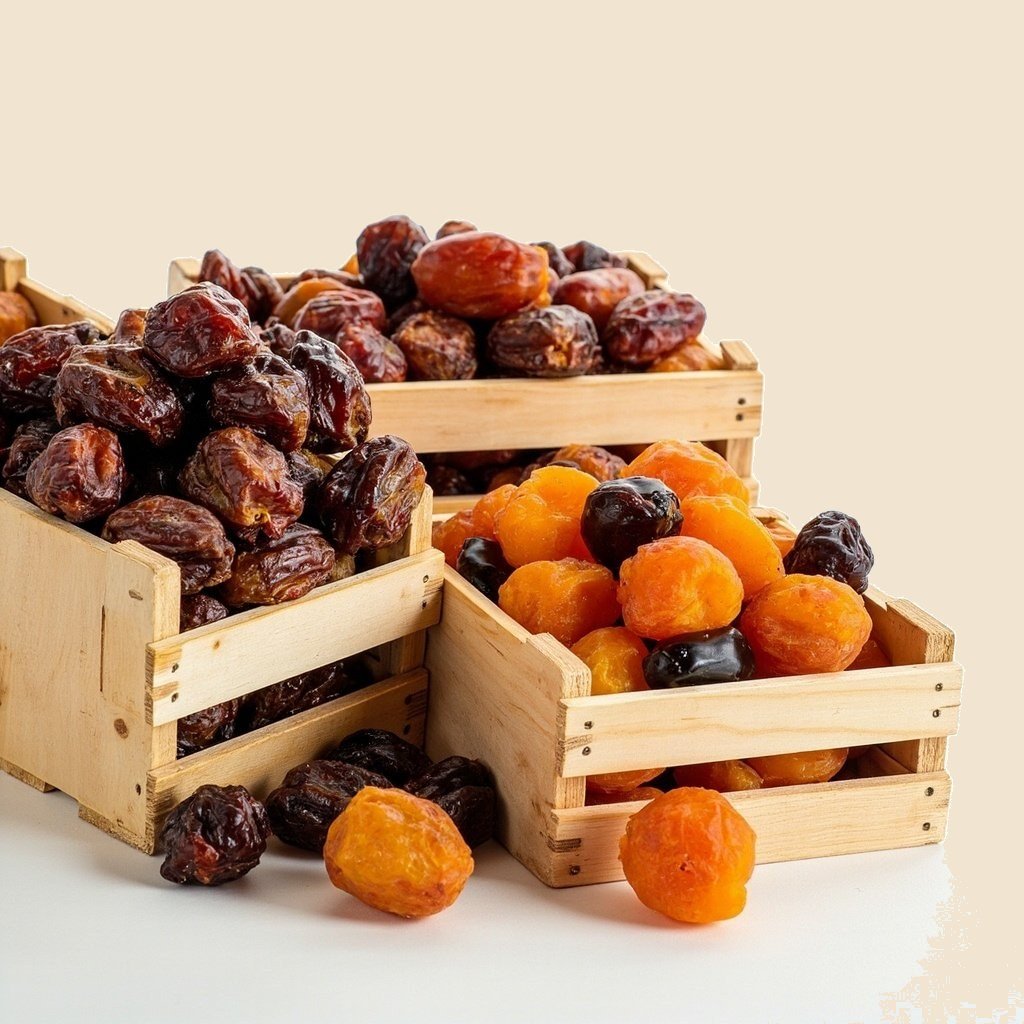
The Middle East has long been a crossroads of commerce, and today, Arabian ventures in the food trade industry are experiencing unprecedented growth. From the bustling souks of old Dubai to the gleaming free zones of Jebel Ali, entrepreneurs are capitalizing on the region’s strategic position as a global hub for agricultural commodities. Among the most lucrative of these opportunities is the wholesale nuts and dried fruits sector—a market valued at billions of dollars and growing steadily each year.
Whether you are an aspiring entrepreneur, an established importer looking to expand, or a curious observer of the regional trade landscape, understanding how Arabian ventures thrive in this space offers valuable insights into one of the most dynamic food industries in the world. This comprehensive guide explores the opportunities, strategies, and practical steps required to succeed in the wholesale nuts and dried fruits business in Dubai.
The Strategic Advantages of Dubai for Food Trade Ventures
Dubai’s emergence as a global trade hub is no accident. The emirate has invested heavily in infrastructure, logistics, and business-friendly policies that make it an ideal launchpad for Arabian ventures in food commodities. Several key factors contribute to Dubai’s dominance in the nuts and dried fruits market:
Geographic and Logistical Superiority
Dubai sits at the heart of the Arabian Gulf, providing direct access to markets spanning Asia, Europe, Africa, and the broader Middle East. The city’s world-class ports—Jebel Ali and Port Rashid—handle massive cargo volumes with remarkable efficiency. Combined with Emirates Airlines’ extensive cargo network and modern road connections to Saudi Arabia, Oman, and other GCC countries, Dubai offers unparalleled logistical advantages for businesses trading in bulk nuts and dried fruits.
Favorable Business Environment
The UAE government has cultivated one of the world’s most welcoming environments for foreign investment. Free zones like Dubai Multi Commodities Centre (DMCC) and Jebel Ali Free Zone (JAFZA) offer:
- 100% foreign ownership
- Zero corporate tax in many cases
- Full repatriation of profits
- Streamlined licensing processes
- Modern warehousing facilities
These incentives have made Dubai the preferred destination for entrepreneurs launching Arabian ventures in the food trade sector.
Growing Consumer Demand
The UAE’s diverse, multicultural population drives consistent demand for nuts and dried fruits. Local consumers favor premium products like Iranian pistachios, California almonds, Turkish apricots, and Medjool dates. Meanwhile, the country’s thriving hospitality industry—boasting thousands of hotels, restaurants, and catering companies—creates substantial bulk purchasing opportunities for wholesale suppliers.
Understanding the Wholesale Nuts and Dried Fruits Market
Before diving into your own Arabian venture, it’s essential to understand the market landscape. The wholesale nuts and dried fruits industry in Dubai serves multiple customer segments, each with unique requirements and profit margins.
Key Product Categories
A successful wholesale operation typically offers a diverse range of products, including:
- Tree nuts: Almonds, cashews, pistachios, walnuts, pecans, hazelnuts, and Brazil nuts
- Dried fruits: Dates, raisins, apricots, figs, prunes, cranberries, and mangoes
- Seeds: Sunflower seeds, pumpkin seeds, sesame seeds, and chia seeds
- Specialty items: Roasted and salted varieties, trail mixes, and gift packaging
Diversifying your product portfolio helps mitigate risks associated with seasonal price fluctuations and shifting consumer preferences.
Target Customer Segments
Wholesale suppliers in Dubai typically serve several distinct markets:
- Retail chains and supermarkets requiring consistent bulk supply
- Hospitality businesses including hotels, airlines, and catering companies
- Food manufacturers using nuts and dried fruits as ingredients
- Re-export markets across Africa, Asia, and other Middle Eastern countries
- Individual retailers at markets like the famous Dubai Spice Souk
Essential Steps to Launch Your Arabian Venture
Launching a successful wholesale nuts and dried fruits business requires careful planning and execution. Below is a practical roadmap for entrepreneurs ready to capitalize on Dubai’s thriving food trade ecosystem.
Step 1: Conduct Comprehensive Market Research
Begin by analyzing market trends, competitor pricing, and consumer preferences. Identify gaps in the market where your venture can add unique value. Consider questions such as:
- Which products have the highest profit margins?
- What quality grades do my target customers expect?
- Which sourcing countries offer the best value?
- Who are my main competitors, and how can I differentiate?
Step 2: Secure Proper Licensing and Legal Structure
Work with a business setup consultant to establish your company in either a free zone or on the mainland. Each structure offers distinct advantages. Free zones provide tax benefits and full ownership, while mainland licenses allow direct trade with UAE businesses without requiring an agent. You’ll need to obtain:
- A trade license from the Department of Economic Development (DED) or relevant free zone authority
- Food trade permits from Dubai Municipality
- Import/export documentation
- Health and safety certifications for food handling
Step 3: Establish Reliable Supply Chain Partnerships
The foundation of any successful wholesale operation is a robust supply chain. Build relationships with reputable growers, processors, and exporters in producing countries such as Iran, Turkey, the United States, India, and Chile. Many successful Arabian ventures in this space work directly with origin suppliers to ensure quality control and competitive pricing.
Consider attending major food trade exhibitions like Gulfood in Dubai—the world’s largest annual food and beverage trade show—to connect with potential suppliers and customers under one roof.
Step 4: Invest in Quality Control and Storage
Nuts and dried fruits are sensitive to temperature, humidity, and contamination. Proper warehousing is critical to maintaining product quality and preventing spoilage. Key considerations include:
- Climate-controlled storage facilities
- Fumigation and pest control systems
- HACCP-compliant processing areas
- Proper packaging and labeling equipment
- Cold chain management for temperature-sensitive products
Step 5: Develop a Strong Brand and Distribution Network
In a competitive market like Dubai, branding differentiates successful Arabian ventures from the rest. Consider developing:
- A memorable company name and logo
- Professional packaging for retail-ready products
- An online presence with e-commerce capabilities
- Relationships with logistics providers for efficient distribution
- Marketing materials highlighting quality certifications and origin stories
Navigating Challenges in the Industry
While the opportunities are substantial, prospective business owners should be aware of common challenges in the wholesale nuts and dried fruits trade.
Price Volatility
Commodity prices for nuts and dried fruits can fluctuate significantly due to weather conditions, harvest yields, and geopolitical factors. Successful operators hedge against these risks through long-term supplier contracts, diversified sourcing, and strategic inventory management.
Regulatory Compliance
Food safety regulations in the UAE are stringent and continue to evolve. Staying compliant requires ongoing investment in quality assurance, documentation, and staff training. Working with experienced food safety consultants helps avoid costly violations.
Competition from Established Players
Dubai’s wholesale food market is highly competitive, with established players like those featured on the [Wholesale Nuts and Dried Fruits Business in Dubai](#) pillar page dominating significant market share. New entrants must find their competitive edge through specialization, superior service, or innovative product offerings.
The Future of Arabian Ventures in the Food Trade
Looking ahead, the outlook for Arabian ventures in the wholesale nuts and dried fruits sector remains exceptionally bright. Several trends are shaping the industry’s future:
- Health-conscious consumers are driving demand for natural, nutrient-dense snacks
- Premium and organic products are gaining traction in higher income brackets
- E-commerce and direct-to-consumer models are expanding rapidly
- Sustainable and ethically sourced products are becoming differentiators
- Regional expansion into African and South Asian markets offers new growth avenues
Entrepreneurs who position themselves at the intersection of these trends are likely to build thriving, resilient businesses.
Final Thoughts: Your Path Forward
Building a successful Arabian venture in Dubai’s wholesale nuts and dried fruits industry requires more than capital and ambition—it demands deep market understanding, strategic planning, and unwavering commitment to quality. By leveraging Dubai’s strategic advantages, building strong supplier relationships, and staying attuned to evolving consumer preferences, entrepreneurs can tap into one of the region’s most rewarding commercial opportunities.
For a comprehensive overview of the wholesale nuts and dried fruits business in Dubai, including detailed supplier directories, market analysis, and success stories, explore our pillar resource on the [Wholesale Nuts and Dried Fruits Business in Dubai](#). This foundational guide provides additional context and complementary insights for anyone serious about entering this dynamic industry.
Related Topics Worth Exploring
To deepen your understanding of this thriving sector, consider exploring these related topics:
- How to Source Premium Almonds and Cashews from Global Producers
- Navigating Dubai Municipality Food Import Regulations
- Top Free Zones for Food Trading Companies in the UAE
- Building a Profitable Date Export Business from Dubai
- The Role of Gulfood Exhibition in Shaping Regional Trade
- Sustainable Sourcing Practices for the Wholesale Nut Industry
Each of these topics connects directly to the broader theme of building successful Arabian ventures in Dubai’s competitive yet rewarding food trade ecosystem.
—
Related Reading
- Start here: [Wholesale Nuts and Dried Fruits Business in Dubai](https://avgtuae.com/wholesale-nuts-and-dried-fruits-business-in-dubai/)
- [Arabian Ventures: Unlocking Profitable Food Commodity Business Opportunities in the Middle East](https://avgtuae.com/arabian-ventures-unlocking-profitable-food-commodity-business-opportunities-in-the-middle-east/)
- [Arabian Ventures: A Trusted Name in Dubai’s Wholesale Nuts and Dried Fruits Industry](https://avgtuae.com/arabian-ventures-a-trusted-name-in-dubais-wholesale-nuts-and-dried-fruits-industry/)
- [Arabian Ventures: Building a Profitable Spice Import Business in the UAE](https://avgtuae.com/arabian-ventures-building-a-profitable-spice-import-business-in-the-uae/)
- Explore our full wholesale range at [Arabian Ventures General Trading](https://avgtuae.com/)
Frequently Asked Questions
Why is Dubai considered a strategic hub for the wholesale nuts and dried fruits trade?
Dubai sits at the heart of the Arabian Gulf, providing direct access to markets across Asia, Europe, Africa, and the broader Middle East. Its world-class ports—Jebel Ali and Port Rashid—handle massive cargo volumes efficiently, while Emirates Airlines’ extensive cargo network and modern road connections to Saudi Arabia, Oman, and other GCC countries offer unparalleled logistical advantages for businesses trading in bulk nuts and dried fruits.
What advantages do free zones like DMCC and JAFZA offer to food trade entrepreneurs?
Free zones such as the Dubai Multi Commodities Centre (DMCC) and Jebel Ali Free Zone (JAFZA) provide 100% foreign ownership, zero corporate tax in many cases, full repatriation of profits, streamlined licensing processes, and modern warehousing facilities. These incentives have made Dubai the preferred destination for entrepreneurs launching Arabian ventures in the food trade sector.
What product categories should a wholesale nuts and dried fruits operation in Dubai offer?
A successful wholesale operation typically offers a diverse range of products, including tree nuts (almonds, cashews, pistachios, walnuts, pecans, hazelnuts, and Brazil nuts), dried fruits (dates, raisins, apricots, figs, prunes, cranberries, and mangoes), seeds (sunflower, pumpkin, sesame, and chia), and specialty items such as roasted and salted varieties, trail mixes, and gift packaging. Diversifying the product portfolio helps mitigate risks associated with seasonal price fluctuations and shifting consumer preferences.
Which customer segments do wholesale nuts and dried fruits suppliers in Dubai typically serve?
Wholesale suppliers in Dubai generally serve retail chains and supermarkets requiring consistent bulk supply, hospitality businesses including hotels, airlines, and catering companies, food manufacturers using nuts and dried fruits as ingredients, re-export markets across Africa, Asia, and other Middle Eastern countries, and individual retailers at markets like the famous Dubai Spice Souk.
What licenses and permits are required to start a wholesale food business in Dubai?
Entrepreneurs must obtain a trade license from the Department of Economic Development (DED) or the relevant free zone authority, food trade permits from Dubai Municipality, import/export documentation, and health and safety certifications for food handling. Choosing between a free zone and mainland structure is important, as free zones offer tax benefits and full ownership while mainland licenses allow direct trade with UAE businesses without requiring an agent.
Which trade exhibition is recommended for connecting with suppliers and buyers in Dubai’s food industry?
Gulfood, held in Dubai, is the world’s largest annual food and beverage trade show. Many successful Arabian ventures