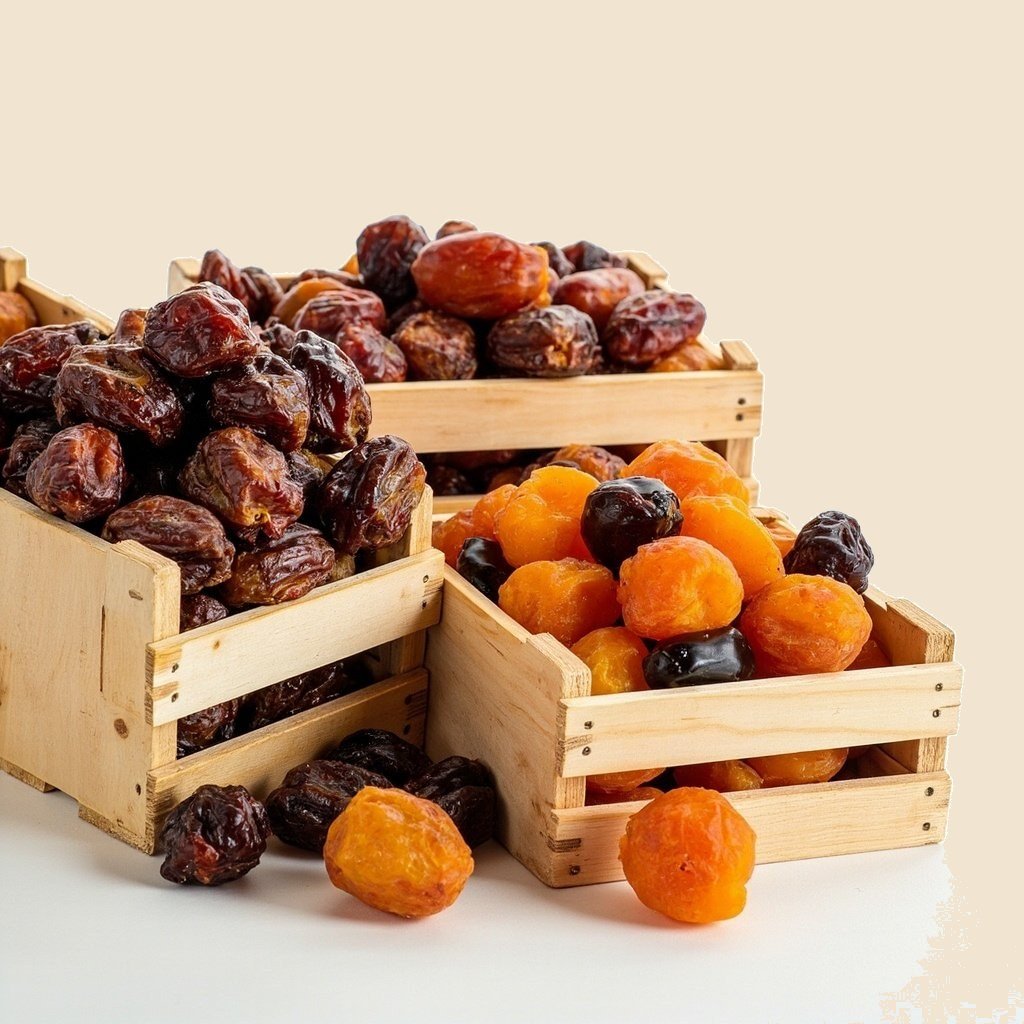
Taro China refers to high-quality taro roots (Colocasia esculenta) cultivated and exported from mainland China, widely recognized for their dense starch content, creamy texture, and consistent supply at competitive wholesale prices. For B2B buyers in the UAE and GCC, Chinese taro offers a reliable staple ingredient for food manufacturing, restaurant chains, and retail distribution, complementing a broader sourcing strategy for Asian grains, pulses, and starches.
—
Why Chinese Taro Dominates the Global Wholesale Market
Leading Production and Export Volumes
China produces over 70% of the world’s taro, with annual harvests exceeding 2 million metric tons. The provinces of Fujian, Guangdong, and Guangxi account for the majority, benefiting from subtropical climates and centuries of cultivation expertise. This scale ensures year-round availability and price stability—critical factors for wholesale importers like Arabian Ventures General Trading LLC (AVGT).
Varietal Diversity
Chinese taro is commercially sorted into three main types:
- Eddoe (small taro): Grown in cool highlands; dense, slightly nutty flavor. Preferred for canned products and snack foods.
- Dasheen (large taro): Main variety exported to the Middle East; starch content 25–30%, excellent for boiling, frying, or flour production.
- Chinese taro powder: Dehydrated, milled taro used as a gluten-free flour substitute in baked goods and batters. The powder has a shelf life of 12–18 months when stored in cool, dry conditions.
Quality Grading
Export-grade Chinese taro is classified by size, blemishes, and moisture levels:
- Grade A: 200–400 g per tuber, uniform shape, <5% surface defects. Moisture 60–65%.
- Grade B: 100–200 g, minor blemishes allowed, moisture 55–60%. Suitable for processing.
- Industrial grade: Irregular shape, used for starch extraction or animal feed.
For wholesale importers, Grade A is the standard for retail and food service; Grade B often meets cost targets for industrial buyers.
—
Sourcing Taro from China: Key Considerations for UAE Importers
Seasonality and Harvest Cycles
- Main harvest: August to November (peak supply, lowest prices).
- Secondary harvest: March to May (smaller volumes, 15–20% premium).
- Off-season: June–July and December–February require cold-stored stock. Storage capacity in China exceeds 500,000 metric tons, ensuring supply continuity at a 5–8% cost increase.
Packaging and Shipping
Standard wholesale packaging:
- Fresh taro: 10 kg or 20 kg mesh bags, or 15 kg cartons for air freight.
- Taro powder: 25 kg multi-layer paper bags with inner PE liner, palletized.
- Frozen taro cubes: 1 kg vacuum packs, 20 kg cartons, shipped in reefer containers at -18°C.
Transit time from Chinese ports (Shanghai, Ningbo, Shenzhen) to Jebel Ali, Dubai: 14–18 days by sea, 3–5 days by air. Average freight cost for a 20 ft container (approx. 18 metric tons of fresh taro) is USD 2,500–3,500 in peak season.
Regulatory Compliance for UAE
Chinese taro imports must meet UAE food safety standards (UAE.S GSO 150-1:2013). Key requirements:
- Pesticide residue limits: Maximum residues for chlorpyrifos (0.01 mg/kg), cypermethrin (0.05 mg/kg).
- Heavy metals: Lead ≤ 0.3 mg/kg, cadmium ≤ 0.1 mg/kg.
- Phytosanitary certificate issued by Chinese customs, with import permit from UAE Ministry of Climate Change and Environment.
AVGT verifies all documentation and conducts third-party lab testing on every shipment, ensuring compliance before dispatch.
—
Market Demand for Taro in the UAE and GCC
Culinary Applications
Taro is a versatile ingredient in Middle Eastern and South Asian cuisines:
- Stews and curries: Taro cubes used in Omani shuwa, Yemeni saltah, and Indian sambar.
- Fried snacks: Taro chips coated with chili and lime—rapid growth in the UAE snack market (12% annual increase).
- Health food: Taro flour incorporated into gluten-free breads and protein bars, driven by the UAE’s expanding health-conscious population (estimated 1.2 million flexitarians/vegans).
Competitive Landscape
China vs. other taro origins for the UAE market:
| Origin | Price per kg (CIF Dubai, Grade A) | Lead Time | Quality Consistency |
|——–|———————————–|———–|———————|
| China | USD 1.20–1.80 | 14–18 days | High (graded by state standards) |
| India | USD 1.50–2.20 | 10–14 days | Moderate (variable grading) |
| Vietnam| USD 1.40–1.90 | 12–16 days | High (increasing exports) |
| Thailand | USD 1.80–2.50 | 10–12 days | Moderate (smaller scale) |
Chinese taro offers the best price-to-reliability ratio for bulk orders exceeding 10 metric tons.
Consumer Trends
- Demand for organic taro from China rose 35% in 2023 among UAE retailers. Certified organic Chinese taro commands a 20–25% price premium.
- Frozen taro cubes for food service: Annual import growth of 18% as smoothie chains and dessert cafés expand.
—
Practical Steps for Wholesale Buyers: Sourcing Taro China via AVGT
1. Define your product grade and volume. Specify fresh, powder, frozen, or organic. Minimum order quantity for first-time buyers: 5 metric tons (fresh), 2 metric tons (powder).
2. Request a CIF Dubai quote. Include delivery port (Jebel Ali preferred), packaging type, and required certifications.
3. Review quality samples. AVGT can provide pre-shipment samples from the specific Chinese processing plant.
4. Confirm inspection and shipping timeline. Standard lead time: 30 days from deposit to arrival in Dubai.
5. Arrange customs clearance and warehouse storage. AVGT offers bonded warehouse storage in Jebel Ali for up to 30 days at cost price.
For inquiries, contact AVGT at +971 50 529 7000 or visit [avgtuae.com](https://avgtuae.com). All orders are B2B wholesale only.
—
Frequently Asked Questions
What is the difference between Chinese taro and other Asian taro varieties?
Chinese taro (mainly dasheen) is larger, starchier, and less fibrous than Vietnamese or Thai varieties. It holds shape better when boiled and yields 5–10% more edible flesh per tuber, making it preferred for bulk processing.
Can Chinese taro be used as a grain substitute?
Yes. Taro flour (starch content ~80%) acts as a direct substitute for wheat flour in gluten-free formulations. It can also replace cassava or corn starch in thickening applications. AVGT often supplies taro powder alongside premium grains like jasmine rice or millets for wholesale clients diversifying their starch sources.
What certifications should I look for when importing taro from China?
Essential certifications: Phytosanitary certificate, fumigation certificate (if required), pesticide residue analysis report from an ISO 17025 accredited lab, and a certificate of origin. For organic taro, request a USDA or EU organic certificate issued by a Chinese certification body (e.g., OFDC). AVGT manages all documentation for UAE buyers.
How long does fresh Chinese taro last in storage?
Fresh taro can be stored at 10–15°C with 80–90% humidity for 2–4 months. Do not refrigerate below 5°C (chilling injury). In humid UAE conditions, we recommend using vacuum-packaged fresh taro or switching to frozen cubes for extended shelf life.
Is there a minimum order quantity for taro from China via AVGT?
Yes. For first-time buyers, the minimum is 5 metric tons (fresh) or 2 metric tons (taro powder). Repeat clients may negotiate smaller mixed containers (e.g., combine taro with grains like basmati rice or spices like star anise from the same origin).
What are the top Chinese provinces exporting taro to the Middle East?
Fujian accounts for 45% of UAE
—
Related Reading
- Start here: [Sourcing Premium Grains from Asia for UAE Market](https://avgtuae.com/sourcing-premium-grains-from-asia-for-uae-market/)
- [Canola Oil in Arabic: A Complete B2B Guide for Middle East Wholesale Importers](https://avgtuae.com/canola-oil-in-arabic-a-complete-b2b-guide-for-middle-east-wholesale-importers/)
- [Banana Dikhao: Wholesale Banana Sourcing, Varieties & Import-Export Guide for the Middle East](https://avgtuae.com/banana-dikhao-wholesale-banana-sourcing-varieties-import-export-guide-for-the-middle-east/)
- [Arabian Ventures: Your Trusted Partner in Global Food Commodity Trade](https://avgtuae.com/arabian-ventures-your-trusted-partner-in-global-food-commodity-trade/)
- Explore our full wholesale range at [Arabian Ventures General Trading](https://avgtuae.com/)