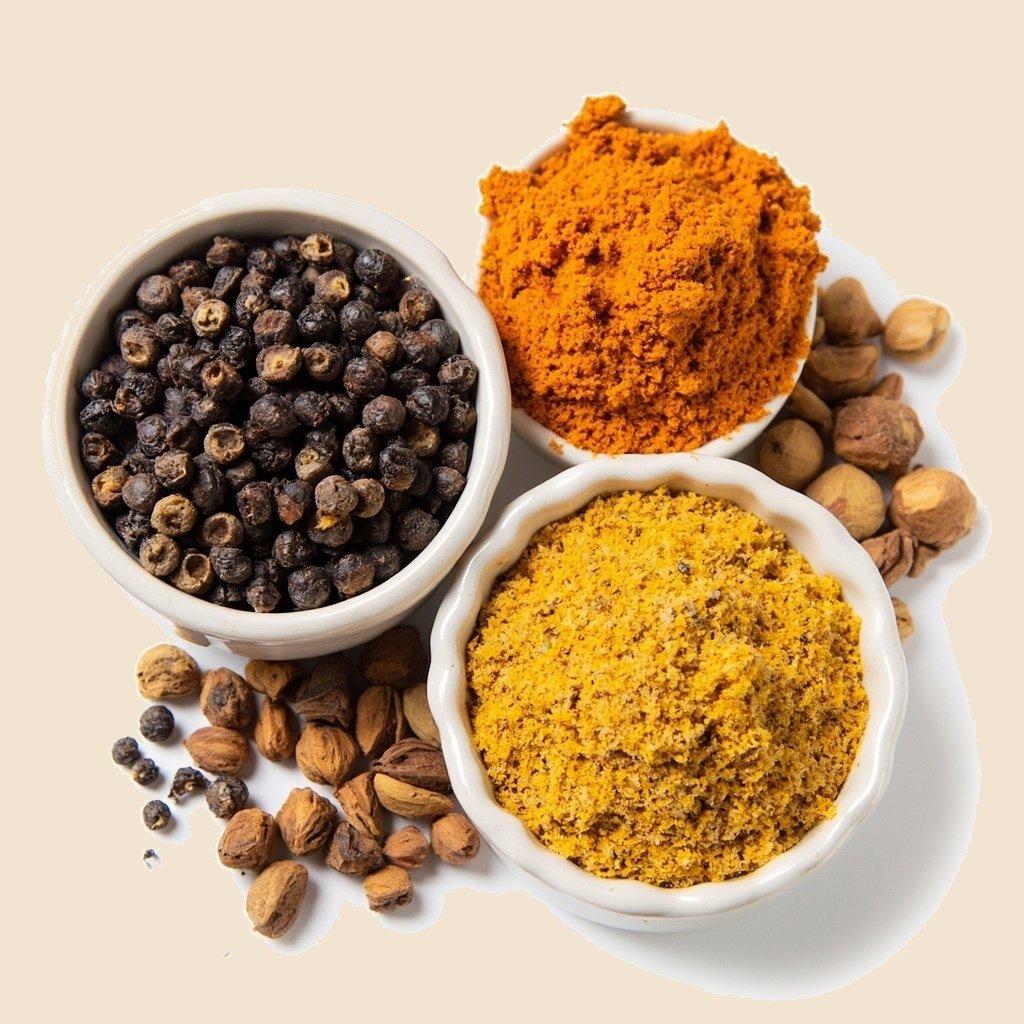
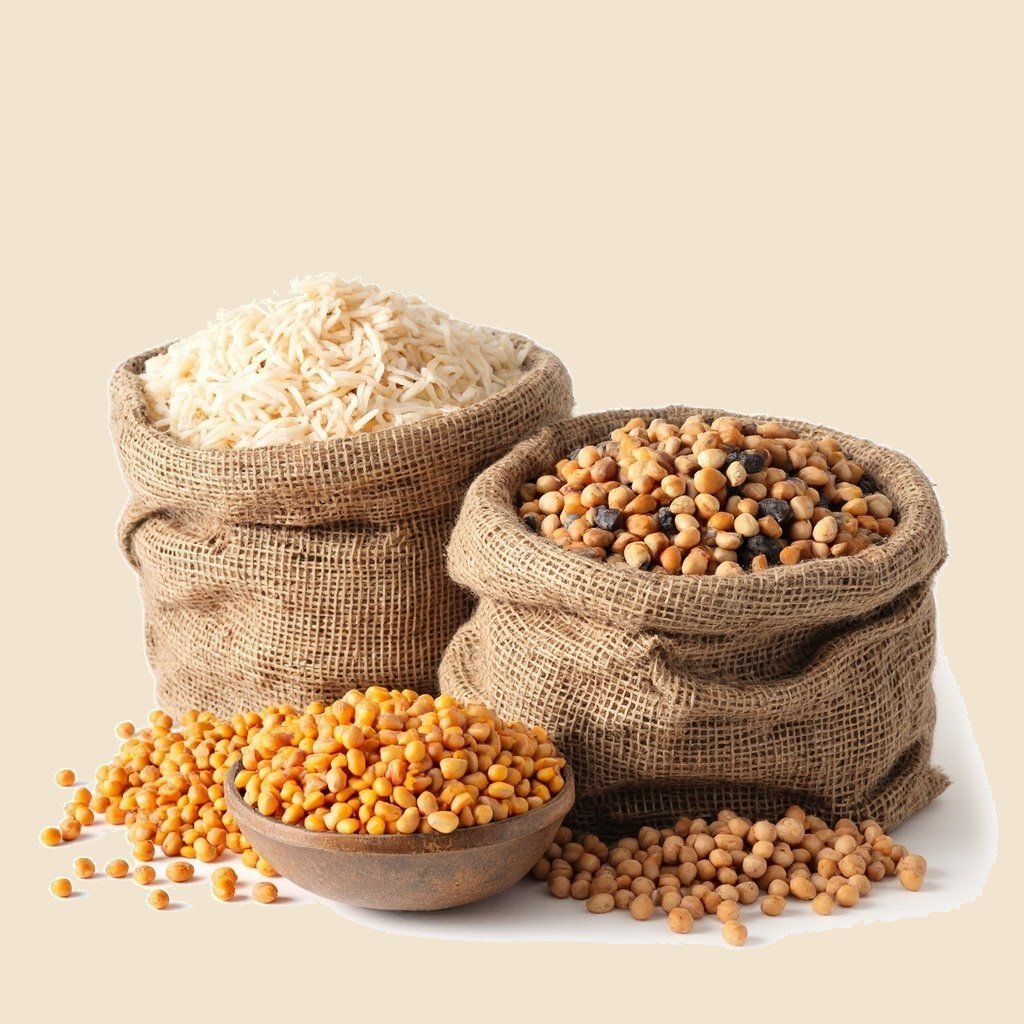
The global food trade represents one of the world’s most dynamic and essential commercial ecosystems, with international food commodity exchanges reaching an estimated $1.8 trillion annually. For businesses seeking to establish themselves as credible wholesale food importers USA operations require, or exporters looking to tap into lucrative markets, understanding the intricate mechanics of global wholesale food trading corridors has never been more critical. Whether you’re a basmati rice supplier Pakistan international distributors rely on, a black pepper exporter Vietnam communities depend on, or a startup exploring how to source Asian food commodities for importers, this comprehensive guide delivers the strategic insights, regulatory knowledge, and practical connections you need to succeed in modern food commodity trading.
The international food trade landscape has undergone remarkable transformation over the past decade, driven by evolving consumer preferences, technological advancements in logistics, and shifting global economic alliances. Emerging markets increasingly demand diverse ingredients, while established economies seek reliable suppliers for specialty products that domestic production cannot satisfy. This guide serves as your definitive resource for navigating these complex trading corridors, understanding compliance requirements, and building sustainable international partnerships that drive measurable business growth.
—
1. Understanding the Global Food Commodity Market Landscape
The international food commodity sector operates as a complex network of production, processing, and distribution systems spanning every continent. Understanding this landscape provides the foundation for making informed decisions about market entry, product sourcing, and partnership development.
1.1 Market Size, Growth Statistics, and Global Wholesale Food Trading Corridors
The global food commodities market demonstrates remarkable resilience and consistent growth trajectory. According to the Food and Agriculture Organization (FAO), international trade in food products reached approximately 1.53 trillion USD in 2023, with projections indicating continued expansion through 2030. This growth reflects increasing global population, rising middle-class consumption in developing nations, and the proliferation of global supply chains that enable consumers worldwide to access diverse food products year-round.
The most significant global wholesale food trading corridors include the Asia-Pacific to North America route, which handles approximately 35% of total food commodity volume; the Europe to Asia corridor serving specialty products and processed foods; and the Middle East transit trade through UAE hubs connecting producers across Africa and Asia with consumers throughout the GCC region and beyond. Understanding these corridors helps businesses position themselves strategically within the supply chain, whether as primary producers, consolidators, or final-mile distributors.
1.2 Major Trading Regions and Their Competitive Advantages
Different regions of the world have developed specialized capacities that define their roles in global food commodity networks. South and Southeast Asia dominate production of spices, rice, nuts, and tropical products. South America serves as the world’s protein and oilseed powerhouse, while North America and Europe excel in processed foods, technology, and financial services supporting the trade. The Middle East, particularly UAE, functions as a critical re-export hub bridging multiple continents.
For businesses exploring food commodities export from UAE to GCC and USA markets, understanding regional specializations enables strategic positioning. UAE-based traders benefit from world-class infrastructure, favorable trade agreements, and geographic positioning that enables rapid connectivity to both Asian production centers and Western consumer markets.
1.3 Key Drivers of International Food Trade
Multiple factors influence the volume and direction of food commodity flows across international borders. Consumer preferences increasingly favor ethnic and exotic ingredients, driving demand for authentic Asian products in Western markets. Climate considerations mean certain products can only be grown in specific geographic regions, creating inherent international trade dependencies. Trade agreements, tariff structures, and regulatory harmonization significantly impact the cost and feasibility of cross-border food commerce.
Currency exchange rates, logistics costs, and storage capabilities also shape trading patterns. Businesses that understand these drivers can anticipate market movements, identify emerging opportunities, and develop strategies that capitalize on favorable conditions while mitigating inherent risks in international food commodity trading.
—
2. Leading Food Exporting Countries and Their Specialties
Understanding the major producing nations and their signature products provides essential context for anyone seeking to source Asian food commodities for importers or establish themselves within specific supply chains. Each major exporter has developed specialized infrastructure, quality standards, and trade relationships that define their competitive position.
2.1 India’s Spice Exports to the USA and Beyond
India has maintained its position as the world’s leading spice producer and exporter for millennia, with modern trade adding significant volume and reach to ancient commercial relationships. When considering how to export spices from India to USA markets, businesses encounter a sophisticated ecosystem that includes traditional growing regions, modern processing facilities, and established distribution networks.
Indian spice exports to the United States exceed $500 million annually, with turmeric, cumin, coriander, and chili peppers representing the largest categories. The USA represents India’s second-largest spice export destination after the UAE. Success in this market requires understanding FDA requirements, proper documentation including certificates of analysis, and relationships with established importers who navigate the complex regulatory landscape.
The Indian spice industry has invested heavily in quality assurance infrastructure, with many facilities now achieving FSSAI, ISO 22000, and FDA registration. For businesses looking to enter the market as exporters or establish procurement relationships, visiting major spice trade centers in Kochi, Mumbai, or Guntur provides essential market intelligence and relationship-building opportunities.
2.2 Vietnam’s Black Pepper Dominance in Global Markets
Vietnam stands as the world’s largest black pepper exporter, producing approximately 35-40% of global supply. The country’s pepper-growing regions in the Central Highlands have developed sophisticated agricultural practices, processing capabilities, and export infrastructure that position Vietnamese producers at the center of global pepper trade.
As a black pepper exporter Vietnam operations must navigate competitive pricing pressures, quality differentiation between grades, and increasing attention to sustainable and ethical production practices. European buyers increasingly demand certifications including Rainforest Alliance and Fair Trade, while Asian and American buyers focus primarily on technical specifications including piperine content, moisture levels, and impurity profiles.
For importers seeking reliable black pepper supplies, establishing relationships with Vietnamese exporters requires understanding the harvest cycles (winter crop from December-February and spring crop from March-April), quality indicators specific to Vietnamese production, and payment terms typical in Vietnamese agricultural trade. The competitive landscape means price negotiations are standard, but relationships built on consistent quality and reliable execution command premium positions in buyer’s sourcing portfolios.
2.3 Pakistan’s Basmati Rice Export Industry
Pakistan ranks among the world’s largest rice exporters, with basmati rice representing its premium export category. As a basmati rice supplier Pakistan international buyers recognize a product with distinctive characteristics including elongated grain, unique aroma, and cooking properties prized throughout the Middle East, Europe, and North America.
Pakistani basmati exports total approximately 4-5 million metric tons annually, with the UAE, Saudi Arabia, and the United Kingdom representing the largest markets. The USA imports significant quantities for South Asian consumer populations and restaurants, creating opportunities for wholesale food importer USA operations specializing in ethnic ingredients.
The basmati rice export process involves understanding Pakistan’s export licensing requirements, quality certification systems operated by the Pakistan Basmati Rice Association, and the importance of variety authenticity in a market where counterfeit products periodically appear. Successful procurement relationships require visiting production regions including Punjab and Sindh, understanding post-harvest processing including aging requirements, and establishing agreements well ahead of shipping seasons to secure allocation from premium producers.
2.4 UAE’s Strategic Role in GCC and Transcontinental Food Trade
The United Arab Emirates has evolved into one of the world’s most important food trade hubs, with Dubai serving as the primary commercial center. For businesses exploring food commodities export from UAE to GCC and USA and broader international markets, understanding the emirate’s strategic position provides essential competitive advantages.
UAE’s food re-export trade exceeds $15 billion annually, leveraging world-class port facilities at Jebel Ali, sophisticated logistics networks, and business-friendly regulations that facilitate international commerce. The UAE positions itself as the gateway connecting Asian and African production with consumer markets throughout the Middle East, Europe, and increasingly North America.
Food commodities flowing through UAE include rice from India and Pakistan, spices from various Asian origins, nuts from Iran and Afghanistan, and processed foods from manufacturers worldwide. The UAE’s free trade zones offer 100% foreign ownership, tax advantages, and streamlined customs procedures that attract both major multinational traders and smaller enterprises seeking efficient market access.
—
3. The American Food Import Market: Opportunities for International Suppliers
The United States represents the world’s largest food import market, with annual imports exceeding $150 billion. Understanding how to position products for American buyers, navigate regulatory requirements, and build lasting commercial relationships defines success for international food commodity suppliers.
3.1 Wholesale Food Importer USA Requirements and Market Entry Strategies
The wholesale food importer USA landscape includes major food service distributors, specialty ingredient importers, ethnic food specialists, and retail food distributors. Each category has distinct requirements, pricing structures, and relationship expectations that shape how international suppliers should approach market entry.
Major distributors like Sysco, US Foods, and Performance Food Group serve large-scale food service operations and prioritize consistent supply, competitive pricing, and comprehensive food safety documentation. Specialty importers focus on unique products, premium quality, and relationship-driven business models that allow for higher margins but require more sophisticated marketing and product storytelling.
Ethnic food importers represent particularly attractive partners for Asian food commodity suppliers, as these companies already possess established relationships with restaurants, retail chains, and food manufacturers seeking authentic ingredients. Understanding which importers serve specific market segments, geographic regions, and customer profiles enables exporters to target partnership development efforts effectively.
3.2 Key Import Categories and Regulatory Framework
The American food import market demonstrates strong demand across numerous categories relevant to Asian food commodity suppliers. Rice imports continue growing, with jasmine rice from Thailand and basmati rice from Pakistan and India serving significant market segments. Spice imports from India, Vietnam, and Indonesia supply both consumer packaging and food manufacturing customers.
Nuts represent another significant import category, creating opportunities for businesses positioning as Asian nuts supplier for US market operations. Cashews from Vietnam and India, almonds from California, pistachios from Iran and the USA, and various specialty nuts serve both retail and food manufacturing channels.
Understanding the FDA’s Food Safety Modernization Act (FSMA) requirements represents essential knowledge for any food commodity exporter targeting USA markets. FSMA requires foreign suppliers to comply with Hazard Analysis and Critical Control Points (HACCP) principles, registration requirements, and potential third-party certification mandates depending on product categories and risk profiles.
3.3 Building Partnerships with US Distributors and Buyers
Successful market entry requires understanding how US buyers evaluate, select, and maintain relationships with international suppliers. Key considerations include food safety certifications and documentation capabilities, production capacity and scalability, logistics and shipping reliability, payment terms and financial stability, and communication responsiveness and cultural compatibility.
Initial conversations with potential buyers should include facility certifications (SQF, BRC, FSSC 22000), export documentation capabilities, quality control procedures, and references from existing buyers. US importers conducting due diligence typically request facility audits, samples, and trial shipments before establishing regular supply relationships.
Building lasting partnerships requires consistent execution, transparent communication when challenges arise, and continuous improvement in quality and service levels. US buyers value suppliers who treat them as partners rather than transactions, sharing market intelligence and collaborating on product development opportunities.
—
4. Sourcing Asian Food Commodities: A Strategic Guide
Strategic sourcing of Asian food commodities requires systematic approaches to supplier identification, qualification, and relationship management. Whether serving wholesale food importer USA operations or directly supplying food manufacturers and retailers, the principles of effective Asian food commodity sourcing apply across market segments.
4.1 Identifying Reliable Asian Nuts Suppliers for US Markets
The Asian nuts supplier for US market category encompasses numerous product types including cashews from Vietnam and India, macadamia from Australia and South Africa, chestnuts from China and Korea, and various specialty nuts with origins across the Asian continent. Each category presents distinct sourcing considerations, quality parameters, and competitive dynamics.
Effective supplier identification begins with attending major trade shows where Asian producers exhibit, including Gulfood in Dubai, ANUGA in Cologne, and specialty shows in the USA. These events enable face-to-face relationship building, product sampling, and initial capability assessment. Online directories and industry associations provide supplementary supplier discovery, but nothing replaces direct interaction for relationship establishment.
Supplier qualification should include facility audits assessing production capabilities, quality control systems, certifications held, and export experience to target markets. Requesting samples across multiple production lots enables assessment of consistency, while reference checks with existing buyers provide invaluable operational intelligence.
4.2 Quality Standards, Certifications, and Compliance Requirements
International food commodity trade operates within established quality standards that define product specifications, testing requirements, and acceptance criteria. Understanding these standards enables effective communication between buyers and suppliers, reducing disputes and building trust.
Common certifications required or preferred by US buyers include USDA Organic for organic products, Fair Trade for ethically sourced commodities, Rainforest Alliance for sustainability-conscious sourcing, Kosher and Halal certifications for religious compliance, and various food safety standards including SQF, BRC, FSSC 22000, and ISO 22000.
Product-specific standards also apply, with organizations like the American Spice Trade Association (ASTA) publishing specifications for spice quality, and Codex Alimentarius establishing international food standards that many buyers reference. Understanding and meeting these standards positions suppliers as serious, professional partners capable of serving demanding markets.
4.3 Pricing Strategies and Bulk Sourcing Models
Effective pricing strategies balance competitiveness with sustainability, recognizing that excessively low prices often signal quality compromises or unsustainable business practices. International food commodity pricing follows commodity market dynamics for standardized products, with quality premiums applying for superior specifications, certifications, or origin designations.
Bulk sourcing models typically involve annual or multi-year supply agreements specifying volume commitments, pricing formulas (often tied to commodity indices with quality adjustments), delivery schedules, and quality specifications. These arrangements provide supplier production planning clarity and buyer supply security, but require mutual trust and execution reliability to function effectively.
Spot purchasing addresses immediate needs or tests new suppliers, typically at higher per-unit costs but with greater flexibility. Most successful buyer-supplier relationships begin with spot transactions, progress to trial supply agreements, and evolve into strategic partnership arrangements as relationships mature and trust develops.
—
5. Major Global Wholesale Food Trading Corridors
Understanding established trade routes and emerging corridors enables strategic positioning within global wholesale food trading networks. Each corridor presents distinct opportunities, challenges, and competitive dynamics that shape effective market entry strategies.
5.1 Asia-Pacific to North America Routes
The trans-Pacific food trade corridor connecting Asia with North America represents the world’s highest-volume food commodity route. Major product flows include spices and seasonings from India and Southeast Asia, rice from Thailand, Vietnam, and India, nuts and dried fruits from multiple origins, seafood products including shrimp and fish, and processed foods and ingredients.
Port infrastructure along this corridor includes major Asian load ports (Singapore, Shanghai, Mumbai, Ho Chi Minh City) and North American discharge ports (Los Angeles, Long Beach, Seattle, Houston). Transit times range from two to four weeks depending on origin and destination, with implications for inventory management and supply chain financing.
Successful navigation of this corridor requires understanding container shipping dynamics, port congestion patterns, customs clearance procedures in both origin and destination countries, and the role of freight forwarders and customs brokers in facilitating smooth cargo movement. Building relationships with experienced logistics partners typically proves essential for consistent execution.
5.2 Middle East and GCC Trade Networks
The GCC region functions as both a destination market and transit hub for international food commodities. Understanding food commodities export from UAE to GCC and USA and broader markets requires familiarity with the region’s unique commercial dynamics, including the role of free zones, re-export procedures, and regional distribution networks.
Major food commodity flows within the GCC include rice and wheat staples, spices and seasonings, processed and packaged foods, and fresh produce transported from producing regions. UAE, particularly Dubai, serves as the primary distribution hub with Jebel Ali port providing container handling, storage facilities, and connectivity to destinations throughout the region and beyond.
Re-export trade from UAE follows established patterns, with
—
Related Reading
- [Dubai Nuts Trading Company – Wholesale Supply & GCC Distribution](https://avgtuae.com/dubai-nuts-trading-company-wholesale-supply-gcc-distribution/)
- [Authentic Grains Trading FZCO: Sourcing Premium Grains for UAE & GCC Markets](https://avgtuae.com/authentic-grains-trading-fzco-sourcing-premium-grains-for-uae-gcc-markets/)
- [Dubai Additive-Free Raw Nuts Supplier](https://avgtuae.com/dubai-additive-free-raw-nuts-supplier/)
- Explore our full wholesale range at [Arabian Ventures General Trading](https://avgtuae.com/)
> Supplier credentials — Arabian Ventures General Trading LLC (AVGT). Licensed Dubai food importer/exporter: UAE Trade License 1481160, VAT/TRN 104913540100003, Dubai Chamber of Commerce member 601280, Import/Export codes DXB AH600 (Dubai) and SHJ A23228 (Sharjah). Warehouse: Bloom Market Office #10, Block #B, Ground Floor, Central Fruits & Vegetable Market, Al Aweer, Dubai, AE. Wholesale B2B supply across the UAE and GCC with 24-hour quote turnaround — WhatsApp +971 50 529 7000.