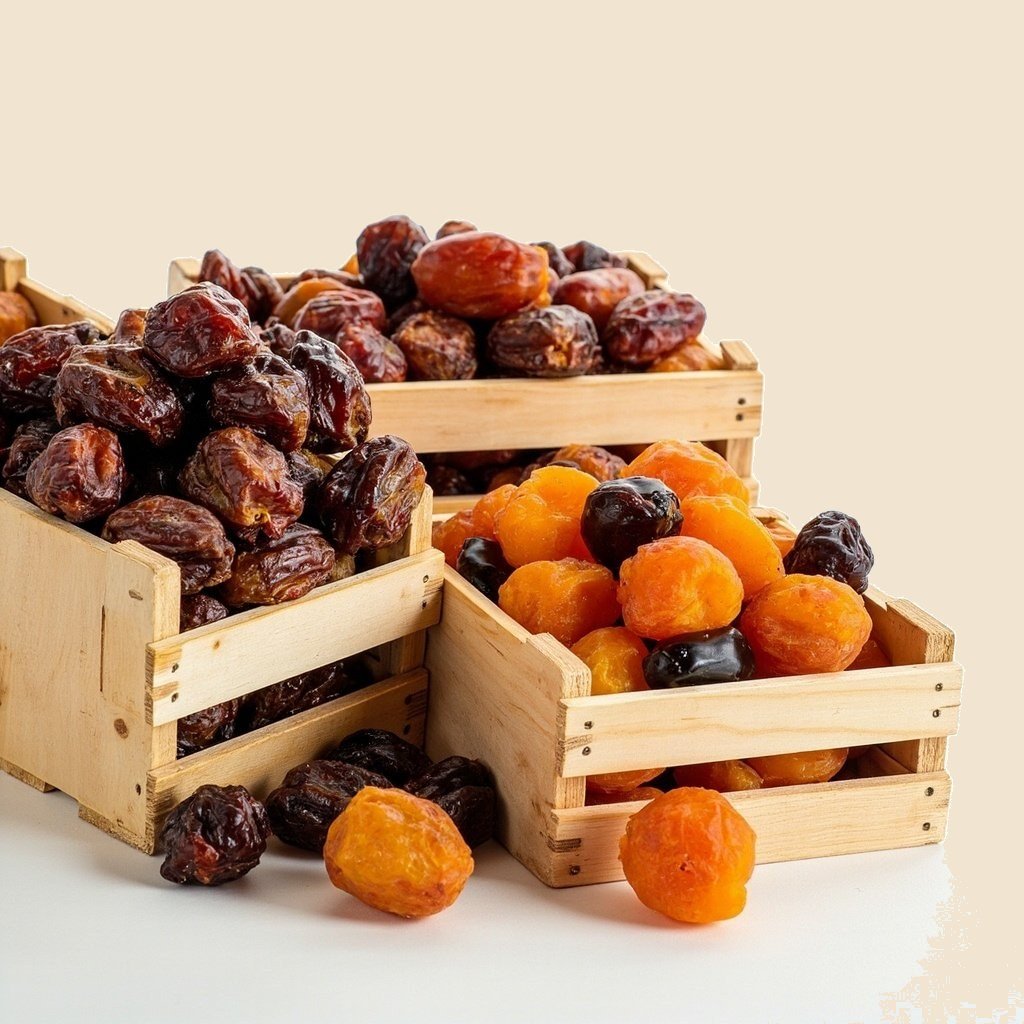
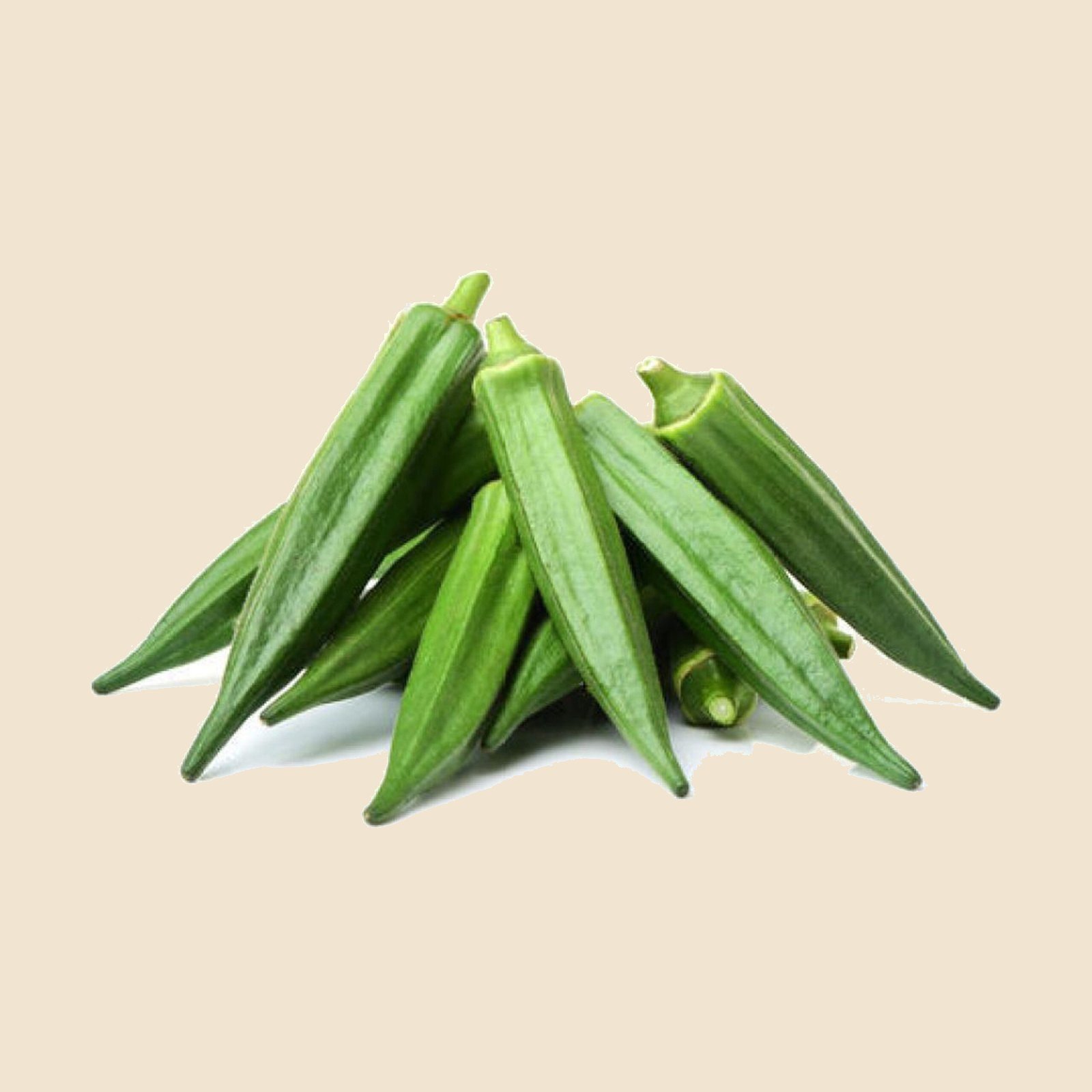
Food logistics Dubai refers to the end-to-end supply chain infrastructure and services—spanning cold storage, warehousing, customs clearance, and last-mile distribution—that enable the import, export, and re-export of food commodities through Dubai’s Jebel Ali Port, Al Aweer Market, and free-zone corridors to buyers across the UAE and GCC.
If you source wholesale rice, grains, pulses, spices, oils, or fresh produce for your retail chain, restaurant group, or distribution business, understanding how food logistics works in Dubai is not optional—it is the difference between consistent supply and costly disruption.
—
What Makes Food Logistics in Dubai Unique
Dubai functions as a global re-export hub, not just a consumer market. Over 80% of food imports entering Jebel Ali Port are re-exported to neighboring GCC countries, Africa, and South Asia. This creates a logistics environment built for volume, speed, and multi-modal connectivity.
The Jebel Ali Advantage
Jebel Ali Port is the largest port in the Middle East and the ninth busiest container port worldwide. For food logistics in Dubai, Jebel Ali offers:
- Dedicated cold storage terminals with capacity exceeding 1.3 million pallets
- Direct reefer (refrigerated container) plug-in points at the berth
- 24-hour customs clearance for perishable goods under the Dubai Trade single-window system
A typical container of Indian basmati rice or Ethiopian sesame seeds can clear customs within 4–6 hours if documentation is complete. Delays usually stem from missing phytosanitary certificates or incorrect HS code classification—not port capacity.
Al Aweer Market: The Wholesale Nerve Center
Al Aweer Fruits and Vegetables Market, located near the Dubai–Sharjah border, is the primary wholesale distribution point for food commodities entering the emirate. AVGT operates directly from this market, giving buyers immediate access to bulk inventory without intermediary markups.
Key facts about Al Aweer:
- Over 500 wholesale traders operate on-site
- Daily throughput exceeds 3,000 metric tons of fresh produce and dry commodities
- Separate sections for fruits, vegetables, grains, spices, and dried nuts
- Direct truck-loading bays for same-day dispatch to Abu Dhabi, Sharjah, and Northern Emirates
—
Key Infrastructure: Ports, Markets, and Cold Chain
Food logistics in Dubai relies on three interconnected infrastructure layers: sea ports, inland consolidation markets, and temperature-controlled warehousing.
Sea Ports Handling Food Imports
| Port | Primary Commodities | Key Feature |
|——|——————-|————-|
| Jebel Ali | Rice, grains, pulses, frozen goods, edible oils | Largest reefer capacity in region |
| Port Rashid | Fresh produce, perishables | Closer to Al Aweer; smaller throughput |
| Khalifa Port (Abu Dhabi) | Bulk grains, animal feed | Growing alternative for southern UAE |
For wholesale buyers, Jebel Ali remains the default entry point. Most AVGT shipments—whether 20-foot containers of Egyptian lentils or 40-foot containers of Pakistani basmati—clear through Jebel Ali before moving to our Al Aweer warehouse.
Cold Chain and Ambient Storage
Temperature control is not optional for many food commodities. The UAE’s summer ambient temperatures exceed 48°C, which can degrade rice moisture content, cause oil rancidity, and spoil fresh produce within hours.
Standard storage classifications used in Dubai:
- Ambient (15–25°C): Rice, grains, pulses, dried fruits, nuts, spices
- Chilled (0–4°C): Fresh produce, certain oils, dairy-adjacent products
- Frozen (-18°C or below): Frozen vegetables, meats, concentrated juices
MOQ norms for wholesale storage in Dubai typically start at 5 metric tons for ambient commodities and 10 metric tons for chilled or frozen products. AVGT maintains dedicated ambient and chilled sections within Al Aweer, with UAE-wide delivery capacity.
—
The Food Import Process: Documentation and Compliance
Every food logistics operation in Dubai must comply with UAE federal food safety regulations, administered by the Emirates Authority for Standardization and Metrology (ESMA) and the Dubai Municipality Food Safety Department.
Step-by-Step Import Process
1. Supplier registration – The exporter must be registered with Dubai Municipality if the commodity is classified as high-risk (fresh produce, meat, dairy). Low-risk commodities (rice, pulses, spices) require only commercial registration.
2. Document submission – Required documents for customs clearance include:
– Certificate of Origin (COO)
– Phytosanitary certificate (for plant-based commodities)
– Bill of Lading (BOL) or Airway Bill
– Commercial invoice and packing list
– Halal certificate (if applicable for GCC re-export)
– Health certificate from the exporting country’s competent authority
3. Customs inspection – Dubai Customs conducts random inspections at a rate of approximately 5–10% for low-risk commodities and 100% for high-risk perishables. Inspection includes visual check, weight verification, and lab testing if flagged.
4. Product registration – For commodities sold under a brand name within the UAE, the importer must register the product with Dubai Municipality and obtain a Product Registration Certificate. This is a one-time process per SKU.
5. Labeling compliance – All food products must carry labels in Arabic and English showing:
– Product name and description
– Net weight (metric)
– Country of origin
– Importer name and license number
– Production and expiry dates
– Storage instructions
Typical MOQ Norms for Wholesale Buyers
| Commodity Type | Minimum Order Quantity | Typical Packaging |
|—————-|———————-|——————-|
| Rice (basmati, parboiled) | 5 MT | 5 kg, 10 kg, 25 kg bags |
| Pulses (chickpeas, lentils) | 3 MT | 25 kg or 50 kg bags |
| Spices (whole or ground) | 500 kg | 25 kg cartons or poly bags |
| Edible oils (palm, sunflower) | 1 FCL (20 MT) | 1L, 3L, 5L bottles or bulk flexi-tank |
| Dried fruits & nuts | 1 MT | 10 kg or 25 kg cartons |
| Fresh produce | 1 pallet (approx. 500 kg) | Cartons, crates, or mesh bags |
AVGT works with buyers who meet these thresholds. For smaller quantities, we recommend consolidating with other buyers or using our distribution network to split full container loads.
—
Distribution Channels: From Jebel Ali to Your Business
Once food commodities clear customs and reach Al Aweer or our warehouse, distribution follows one of three primary channels:
Channel 1: Direct Wholesale (Ex-Warehouse)
Buyers collect from AVGT’s Al Aweer location. This is the most cost-effective option for businesses with their own transport. Payment terms are typically cash-on-delivery or 7-day credit for established accounts.
Channel 2: UAE-Wide Delivery
AVGT operates a fleet of temperature-controlled trucks covering all seven emirates. Delivery timelines:
- Dubai / Sharjah / Ajman: Same-day or next-day
- Abu Dhabi / Al Ain: 24–48 hours
- Ras Al Khaimah / Fujairah: 48–72 hours
Minimum delivery order is 1 metric ton for ambient goods and 500 kg for chilled goods.
Channel 3: GCC Corridor Re-Export
For buyers in Saudi Arabia, Oman, Kuwait, Bahrain, or Qatar, AVGT arranges cross-border documentation and transport. Key considerations:
- GCC countries require separate product registration (except under the unified GCC food regulation framework)
- Saudi Food and Drug Authority (UAE food-import authorities) registration is mandatory for all food imports into Saudi Arabia
- Oman and Kuwait accept UAE-issued health certificates with a certificate of re-export
—
Practical Tips for Optimizing Your Food Logistics in Dubai
1. Consolidate shipments – If your MOQ is below container load, partner with a distributor like AVGT who can consolidate your order with other buyers. This reduces per-unit freight cost.
2. Pre-clear documentation – Submit all certificates to your logistics partner 48 hours before vessel arrival. Missing phytosanitary certificates are the single biggest cause of clearance delays.
3. Understand shelf-life requirements – Dubai Municipality requires at least 75% of shelf life remaining at the time of import for most commodities. For fresh produce, the requirement is 85%.
4. Use bonded warehousing – If you plan to re-export without selling in the UAE, store goods in a Dubai free zone (e.g., JAFZA, Dubai South) to defer customs duties.
5. Work with a licensed importer – AVGT holds UAE Trade License 1481160, which covers import, export, and distribution of food commodities. This means we handle all regulatory compliance on your behalf.
—
Frequently Asked Questions
What is the typical transit time for food shipments to Jebel Ali Port?
Transit time depends on origin. From India (Mundra/Nhava Sheva): 10–14 days. From Pakistan (Karachi): 5–7 days. From Southeast Asia (Bangkok/Ho Chi Minh): 14–18 days. From East Africa (Mombasa/Dar es Salaam): 12–16 days.
Do I need a UAE trade license to buy wholesale food commodities in Dubai?
Yes. All wholesale transactions require a valid UAE trade license. If you are a foreign buyer without a local license, you can purchase through a licensed importer like AVGT, who will issue a commercial invoice under their license.
How does Dubai Municipality inspect food imports?
Inspections are risk-based. Low-risk commodities (rice, grains, spices) undergo random sampling at a rate of 5–10%. High-risk commodities (fresh produce, meat, dairy) are inspected 100%. Samples are tested for pesticide residues, heavy metals, and microbiological contaminants.
What is the difference between ambient and cold storage for food commodities?
Ambient storage (15–25°C) is suitable for dry goods like rice, pulses, and spices. Cold storage (0–4°C) is required for fresh produce, certain oils, and perishable items. Frozen storage (-18°C) is
—
Related Reading
- Start here: [Arabian Ventures: Your Gateway to Building a Successful Food Import Export Business in the Middle East](https://avgtuae.com/arabian-ventures-your-gateway-to-building-a-successful-food-import-export-business-in-the-middle-east/)
- [Taro China: Importing Chinese Taro to the UAE – Grades, Shipping, and Sourcing Guide](https://avgtuae.com/taro-china-importing-chinese-taro-to-the-uae-grades-shipping-and-sourcing-guide/)
- [Taro China: Wholesale Sourcing, Varieties, and Import Guide for the Middle East](https://avgtuae.com/taro-china-wholesale-sourcing-varieties-and-import-guide-for-the-middle-east/)
- [Taro from China: A Wholesale Buyer’s Guide to Sourcing, Quality, and Global Trade](https://avgtuae.com/taro-from-china-a-wholesale-buyers-guide-to-sourcing-quality-and-global-trade/)
- Explore our full wholesale range at [Arabian Ventures General Trading](https://avgtuae.com/)