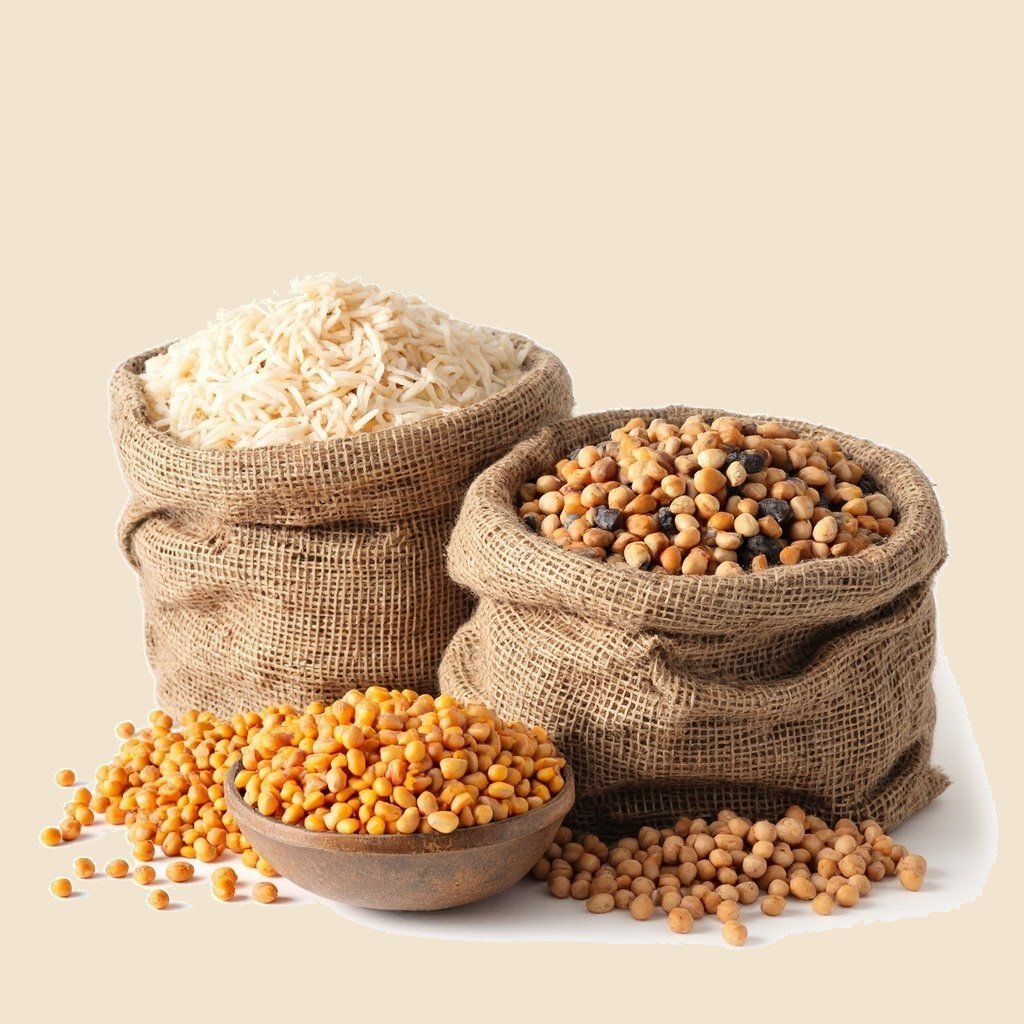
Arabian Ventures General Trading LLC (AVGT) connects B2B buyers across the UAE and GCC with comprehensive food distribution warehouse services, supplying grades and varieties of rice, grains, pulses, spices, nuts, dried fruits, oils, and fresh produce with flexible minimum order quantities and reliable delivery throughout the region. Food distribution warehouses serve as the operational backbone of wholesale food commodity trading, functioning as consolidation points where bulk shipments are received, stored under appropriate conditions, quality-checked, and distributed to retailers, restaurants, caterers, and other businesses.
What Are Food Distribution Warehouses?
Food distribution warehouses are specialized storage and logistics facilities designed to handle bulk food commodities safely and efficiently. These warehouses maintain distinct storage environments for different product categories—climate-controlled spaces for rice and grains, temperature-regulated areas for oils and certain fresh produce, and dry storage for spices and dried fruits.
In the UAE context, food distribution warehouses operate under UAE food-import regulations and must comply with Dubai Municipality requirements for food handling, storage conditions, and documentation. Major wholesale market hubs like Al Aweer in Dubai host numerous food distribution facilities that serve as intermediaries between international suppliers and end buyers.
Types of Food Commodities Handled
Food distribution warehouses in the UAE typically handle products across several categories:
Staple Grains and Rice: Including basmati rice in various grades (extra-long grain, long grain, Sella), broken rice, and non-basmati varieties. Quality grades follow international standards with clear specifications for grain length, moisture content, and milling degree.
Pulses and Lentils: Red lentils, green lentils, yellow peas, chickpeas, and mung beans are commonly stocked with different origin classifications affecting pricing and cooking characteristics.
Spices and Seasonings: Ground and whole spices including cardamom, cumin, coriander, turmeric, black pepper, and blended masalas requiring proper ventilation and humidity control.
Nuts and Dried Fruits: Almonds, cashews, pistachios, raisins, dates, and apricots that need controlled temperature to prevent rancidity and maintain freshness.
Oils: Vegetable oils, olive oil, and specialty oils typically requiring temperature-controlled storage to maintain quality.
How Food Distribution Warehouses Operate
Understanding warehouse operations helps wholesale buyers plan procurement schedules and negotiate effectively with suppliers like AVGT.
Receiving and Inspection Process
When bulk shipments arrive at food distribution warehouses, the receiving process includes:
1. Documentation verification: Confirming commercial invoices, packing lists, certificates of origin, and health certificates match the shipment
2. Physical inspection: Checking packaging integrity, verifying quantities, and assessing condition upon arrival
3. Sampling: Drawing representative samples for quality testing, particularly important for bulk commodity purchases where consistency varies between lots
4. Labeling and batch assignment: Assigning warehouse tracking codes that link to documentation for traceability purposes
Storage Requirements by Product Category
Different food commodities require specific storage conditions that reputable food distribution warehouses maintain:
| Product Category | Typical Storage Conditions | Key Considerations |
|—————–|—————————|——————-|
| Rice and Grains | Cool, dry, well-ventilated | Moisture below 14%, protection from pests |
| Pulses | Dry storage, low humidity | Prevent moisture absorption causing spoilage |
| Spices | Cool, dark, low humidity | Light and heat degrade volatile oils |
| Nuts | Refrigerated or climate-controlled | Temperature-sensitive, risk of rancidity |
| Oils | Temperature-controlled | Prevent oxidation and flavor degradation |
| Fresh Produce | Refrigerated cold storage | Temperature varies by produce type |
Order Processing and Dispatch
For wholesale buyers, understanding order processing helps with planning:
- Lead times: Typically 1-3 business days for in-stock items; longer for orders requiring inter-warehouse transfers
- Order consolidation: Multiple product categories can often be consolidated into single deliveries
- Documentation for dispatch: Delivery notes, invoices, and any required health certificates accompany shipments
Key Considerations When Sourcing Through Food Distribution Warehouses
Wholesale buyers—whether retailers, restaurant operators, caterers, or other distributors—should evaluate several factors when selecting food distribution warehouse partners in the UAE.
Minimum Order Quantities
Minimum order quantities (MOQs) vary based on product type and supplier arrangement:
- Full container loads: Common for staple items like basmati rice or cooking oils when purchasing directly from origin markets
- Pallet quantities: Often available for mid-volume orders of processed goods like spices or nuts
- Mixed truckloads: Many distributors offer consolidated deliveries combining multiple product lines
- Less-than-truckload options: Available for buyers testing new products or requiring smaller volumes, though unit pricing typically increases
Discussing specific requirements with suppliers like AVGT helps identify flexible arrangements that balance cost efficiency with inventory needs.
Documentation Requirements
UAE food-import regulations require specific documentation for food commodities:
- Commercial invoice detailing products, quantities, values, and incoterms
- Packing list with product descriptions, net/gross weights, and packaging details
- Certificate of origin verifying the country where goods were produced
- Health certificate from origin country authorities confirming food safety compliance
- Bill of lading or airway bill providing shipping documentation
- UAE import permits for certain regulated products
Working with established food distribution warehouses simplifies compliance since experienced operators handle documentation requirements routinely.
Delivery Logistics
Consider delivery capabilities when selecting distribution partners:
- Geographic coverage: Confirm whether delivery extends to your location across UAE emirates and GCC countries
- Delivery scheduling: Understand lead times and whether fixed delivery days apply
- Handling equipment: Verify the supplier has appropriate equipment for your order size
- Cold chain availability: Essential for fresh produce and temperature-sensitive items
AVGT operates from Al Aweer market with UAE-wide delivery capabilities and established GCC corridors connecting to Saudi Arabia, Oman, Qatar, Bahrain, and Kuwait.
Practical Tips for Wholesale Buyers
Applying these approaches helps streamline procurement from food distribution warehouses:
Building Supplier Relationships
Establishing consistent relationships with food distribution warehouses offers several advantages. Regular communication about upcoming needs allows warehouses to reserve stock and sometimes arrange favorable pricing. Understanding each supplier’s strengths—some specialize in particular origin products like Thai rice or Indian spices—helps match procurement to best sources.
Planning Seasonal Purchases
Certain commodities have predictable seasonal patterns. Planning major purchases ahead of peak demand periods helps secure availability and potentially better pricing. For example, basmati rice prices fluctuate based on harvest cycles in India and Pakistan, typically arriving in new-crop quality around October through December.
Requesting Samples
Reputable food distribution warehouses including AVGT typically provide samples for qualifying wholesale orders. Testing samples before committing to full orders helps verify quality matches specifications for your business requirements.
Document Management
Maintaining organized records of transactions, quality specifications, and communications protects your business interests and facilitates resolving any issues that arise.
Why Partner with an Established Food Distribution Operator
Working with experienced food distribution warehouses like AVGT offers practical advantages for B2B buyers in the UAE and GCC.
Established infrastructure: Licensed distributors operating from recognized wholesale markets like Al Aweer have warehouse facilities meeting UAE food-storage requirements and staff experienced in handling food commodities.
Supply chain expertise: Established operators understand documentation requirements, origin market dynamics, and logistics challenges, providing guidance that helps buyers navigate complexity.
Flexibility for growing businesses: A reliable distribution partner can scale with your business, accommodating increasing volumes and expanding product ranges as your operations grow.
Focus on core business: Outsourcing procurement logistics to specialists lets retailers, restaurants, and caterers concentrate on their primary operations while relying on distribution experts for consistent supply.
Frequently Asked Questions
What minimum order quantities apply when purchasing from food distribution warehouses in the UAE?
Minimum order quantities vary by product and supplier arrangement. Some items require full container orders while others are available in pallet or mixed-truck quantities. Discussing specific requirements with distributors like AVGT helps identify arrangements that balance cost efficiency with inventory needs.
How do I verify quality when sourcing bulk food commodities?
Requesting samples before placing full orders allows verification that quality meets your specifications. Additionally, reviewing quality certifications, understanding origin specifications, and discussing grade systems helps ensure products match your requirements.
What documentation is required to import food commodities into the UAE?
Standard documentation includes commercial invoices, packing lists, certificates of origin, health certificates, bills of lading, and UAE import permits for certain regulated products. Working with experienced distributors simplifies compliance since they handle documentation requirements routinely.
Do food distribution warehouses offer delivery across all UAE emirates?
Delivery capabilities vary by
—
Related Reading
- Start here: [Start Fresh Produce Trading in Dubai: The Complete Wholesale Guide](https://avgtuae.com/start-fresh-produce-trading-in-dubai-the-complete-wholesale-guide/)
- [Jasmine Rice Price in Dubai: Wholesale Sourcing Guide for UAE Buyers](https://avgtuae.com/jasmine-rice-price-in-dubai-wholesale-sourcing-guide-for-uae-buyers/)
- [Export Basmati Rice to UAE: Process, Documents & Distribution Partnership](https://avgtuae.com/export-basmati-rice-to-uae-process-documents-distribution-partnership/)
- [Basmati Rice Price in Dubai: Wholesale Market Rates, Grades & Sourcing Guide for UAE Importers](https://avgtuae.com/basmati-rice-price-in-dubai-wholesale-market-rates-grades-sourcing-guide-for-uae-importers/)
- Explore our full wholesale range at [Arabian Ventures General Trading](https://avgtuae.com/)