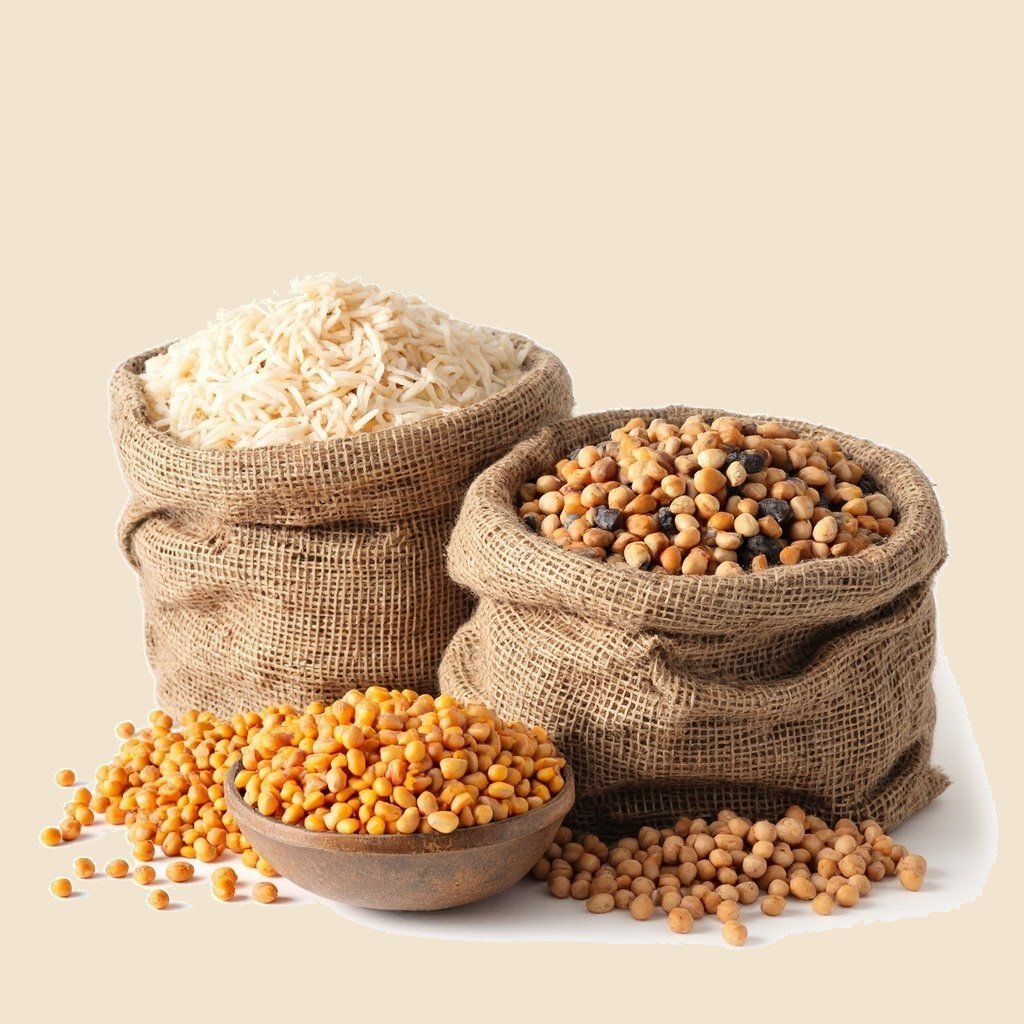
AVGT (Arabian Ventures General Trading LLC) connects international rice producers with UAE retail channels, offering Thai Hom Mali, Vietnamese Jasmine, and Cambodian Premium varieties in 25kg and 50kg bulk packaging with Jebel Ali port delivery. For suppliers seeking retail shelf placement, AVGT provides UAE market entry through established distributor relationships with major supermarket groups including Lulu, Carrefour, Union Coop, and Spinneys, handling complete import documentation, customs clearance at Jebel Ali port, and in-country logistics to Al Aweer distribution center.
Annual per capita rice consumption in the GCC region exceeds 45 kilograms, with white rice commanding the largest share of household food expenditure after fresh produce. Jasmine rice specifically captures roughly one-quarter of the premium white rice segment across UAE hypermarkets and supermarkets—a market valued in the hundreds of millions of dollars annually. This demand is driven by the substantial South and Southeast Asian expatriate population, established food service channels, and growing local adoption of premium table rice varieties.
The UAE Jasmine Rice Import Landscape
The United Arab Emirates functions as the GCC’s primary re-export hub for food commodities, with Dubai’s Jebel Ali port handling the majority of bulk rice shipments destined for regional distribution. The Al Aweer market in Dubai serves as the central wholesale trading hub where importers, distributors, and retail buyers transact daily business across all commodity categories including rice, grains, pulses, and spices.
For exporters considering how to export jasmine rice to UAE markets, understanding the dual-channel structure is essential. Bulk commercial quantities arrive at Jebel Ali for redistribution to food service operators, wholesale traders, and secondary distributors serving smaller retail outlets. Simultaneously, brand-focused exporters work through registered distributors to achieve shelf placement in major supermarket chains that control approximately 70% of urban retail food sales.
The UAE’s strategic position offers access to neighboring GCC markets—Saudi Arabia, Oman, Qatar, Bahrain, and Kuwait—through established trade corridors. Products successfully registered in the UAE can often be introduced to these markets with modified documentation, expanding the total addressable market for international exporters.
Product Specifications and Compliance Requirements
Understanding UAE Food Import Regulations
All rice products entering the UAE must comply with Emirates Authority for Standardization and Metrology (ESMA) requirements and relevant Dubai Municipality food safety guidelines. For jasmine rice exporters, this means preparing documentation packages that satisfy both customs clearance procedures and retail acceptance criteria.
Essential documentation includes:
- Certificate of Origin issued by authorized bodies in the country of export
- Phytosanitary Certificate confirming pest-free status
- Fumigation Certificate documenting post-harvest treatment
- Certificate of Analysis detailing moisture content, broken grain percentage, and milling degree
- Commercial Invoice and Packing List with HS code 1006.30 (semi-milled or wholly milled rice)
Product registration with ESMA is mandatory before commercial importation can proceed. The registration process typically requires 4-8 weeks for initial applications, though existing registered brands can add SKU variations more quickly through supplemental applications.
Packaging Standards and Shelf Life Requirements
UAE retailers maintain strict requirements regarding product shelf life at point of sale. For polished white rice including jasmine varieties, supermarkets typically require a minimum of 18-24 months remaining shelf life upon arrival at UAE distribution facilities. This margin accounts for storage time, retail turnover, and consumer expectations.
Packaging must withstand UAE climate conditions—temperatures frequently exceeding 40°C during summer months—with humidity variations that can affect
—
Related Reading
- Start here: [Arabian Ventures: Your Trusted Partner in Sourcing Premium Grains from Asia to the UAE](https://avgtuae.com/arabian-ventures-your-trusted-partner-in-sourcing-premium-grains-from-asia-to-the-uae/)
- [Food Distribution Warehouses: A Complete Guide for UAE/GCC Wholesale Buyers](https://avgtuae.com/food-distribution-warehouses-a-complete-guide-for-uae-gcc-wholesale-buyers/)
- [Jasmine Rice Price in Dubai: Wholesale Sourcing Guide for UAE Buyers](https://avgtuae.com/jasmine-rice-price-in-dubai-wholesale-sourcing-guide-for-uae-buyers/)
- [Export Basmati Rice to UAE: Process, Documents & Distribution Partnership](https://avgtuae.com/export-basmati-rice-to-uae-process-documents-distribution-partnership/)
- Explore our full wholesale range at [Arabian Ventures General Trading](https://avgtuae.com/)