Arabian Ventures General Trading LLC (AVGT) is a Dubai-based processed almonds supplier in the UAE and distribution partner for retailers, distributors, caterers, and food businesses across the region. AVGT supplies whole, blanched, cut, roasted, salted, and otherwise processed almonds in bulk, with typical MOQs from 500 kg for mixed wholesale orders to full-container quantities, plus UAE-wide delivery and GCC distribution corridors.
Selecting the right processed almonds supplier involves more than comparing product photographs. Buyers should confirm the almond variety, processing method, size or grade, crop year, moisture level, food-safety documentation, packaging format, and delivery terms before placing a wholesale order.
Processed Almond Grades and Formats for UAE Buyers
“Processed almonds” describes almonds supplied in forms that are ready for repacking, food manufacturing, retail preparation, or further use in recipes. The correct format depends on the buyer’s menu, production line, and target customer.
Common varieties and supply formats
Wholesale buyers can request:
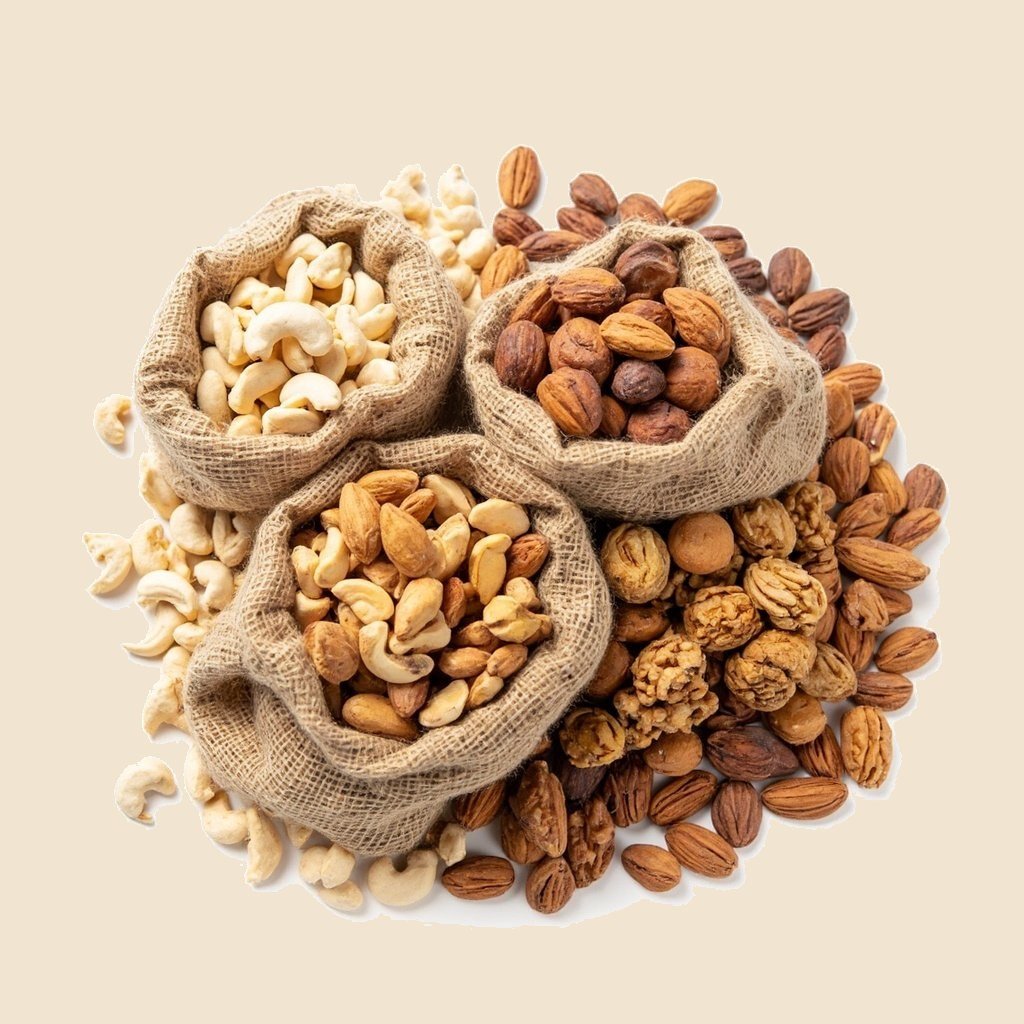
- Whole almonds: Nuts supplied with the skin intact, suitable for roasting, snacking, and value-added processing.
- Blanched almonds: Almonds with the outer skin removed, commonly used in confectionery, bakery, sliced toppings, and prepared foods.
- Split, halves, and slices: Cut formats that help standardize portioning and reduce preparation time.
- Slivers and flakes: Smaller cuts used for toppings, desserts, and value-added products.
- Roasted almonds: Nuts supplied roasted, with the flavor profile and appearance the buyer requires.
- Salted or coated almonds: Products that may include salt, seasoning, or a specified coating. Buyers should state the required coating and packaging clearly.
Suppliers may use different commercial names for similar products. For example, “California-style” or “Spanish” references can relate to variety or origin, but buyers should request the actual specification instead of relying on the style name alone. Grade terminology should therefore be confirmed against the sample, crop documentation, and agreed quality schedule.
Specifications worth confirming in writing
A useful purchase specification normally identifies:
1. Product type and variety
2. Processing method
3. Size, shape, or screen calibration
4. Skin color and permitted defects
5. Moisture and other agreed quality parameters
6. Crop year and country of origin
7. Packaging format
8. Food-safety and testing documents
9. Shelf life and storage conditions
10. Delivery terms and claim process
This level of detail reduces the risk of receiving a product that does not match retail expectations or an automated production line. It also creates a clearer baseline for inspection when the consignment arrives.
MOQs, Packaging, and Order Planning
MOQ requirements vary according to processing, packaging, origin, and whether an order is mixed across products. A common starting point for buyers is approximately 500 kg to 1 metric tonne for mixed processed-almond orders, while a full-container order may be required for specialized origin, crop year, cut, or retail-pack configurations. AVGT should confirm the exact minimum and available production schedule before the buyer commits.
Bulk and wholesale packaging options
Depending on the intended channel, a processed almonds supplier may offer:
- Food-grade sacks for food-service or industrial use
- Retail cartons containing a fixed count or weight
- Pouches or bags in controlled net weights
- Custom private-label packs, subject to label approval and minimum production quantities
For retailers, packaging is part of the commercial decision. The final pack size, barcode arrangement, case quantity, and labeling language should match the customer segment. Distributors may prefer larger cases to reduce handling costs, while restaurants and caterers often benefit from smaller, food-service-oriented formats.
Before ordering, calculate landed usage rather than focusing only on the supplier’s unit price. Include packing, inland transport, UAE delivery, customs clearance, financing, inspection, storage, and expected shelf rotation. For high-volume importers, compare the total landed cost per kilogram across different grades and packaging options.
MOQ questions to ask before payment
Buyers should clarify:
- Is the MOQ per product, grade, or combined shipment?
- Can several almond formats share one order?
- Is the stated quantity based on net weight or gross weight?
- What is the production lead time?
- Is the quoted crop year available in sufficient volume?
- Are mixed packing and private-label options available?
- What happens if the approved sample differs from the final production?
AVGT can use these requirements to prepare a wholesale quotation for bulk or brand-distribution orders. For importers building a repeatable supply chain, order planning also connects directly with the operational principles in [Building Successful Food Import Export Business in Middle East](https://avgtuae.com/).
Processing, Quality Control, and Food-Safety Documentation
Although AVGT is the importer, exporter, and distributor, the manufacturing process may take place at an approved production facility. A buyer should understand where each transformation occurs and which party controls each stage.
Typical processed-almond workflow
The process generally follows these steps:
1. Incoming selection: Raw almonds are checked for identity, condition, and compliance with the agreed specification.
2. Cleaning and sorting: Foreign material, broken pieces, damaged nuts, and unsuitable particles are removed.
3. Size grading: Whole nuts or cuts are separated according to the buyer’s screen or size requirement.
4. Processing: Blanching, peeling, roasting, slicing, salting, or coating is performed according to the product specification.
5. Cooling and final sorting: Finished products are cooled where required and checked for presentation and consistency.
6. Packing and marking: Product is packed in the agreed format, with batch or lot identification applied where required.
7. Document review and shipment release: Commercial, regulatory, and transport documents are checked before dispatch.
For roasted or flavored almonds, the buyer should confirm seasoning details, allergen controls, and whether the finished product is intended for ambient or temperature-controlled distribution.
Documents a UAE buyer should request
The exact document set depends on the product and shipment, but buyers can normally request:
- Commercial invoice and packing list
- Certificate of origin
- Bill of lading or air waybill
- Phytosanitary certificate where applicable
- Supplier or manufacturer food-safety documentation
- Batch or lot identification
- Test report for agreed quality and food-safety parameters
- Ingredient and allergen declaration for coated products
- Shelf-life information
- Shipping and storage instructions
Aflatoxin testing is particularly relevant when buyers require documented quality controls. The test method, laboratory report, product identity, and corresponding batch should be checked for consistency. A generic report that does not clearly match the shipment may not provide adequate assurance.
UAE importers must also confirm applicable product-registration, labeling, and food-import requirements with the relevant authority. In Dubai, this may include engagement with the Dubai Municipality. Labels for retail packs should correctly present the product name, net quantity, ingredient list, allergen information, country of origin, date and storage markings, importer details, and any other information required for the product and market.
Delivery, Customs, and GCC Distribution
Processed almonds are typically moved as an international shipment followed by UAE customs clearance and domestic delivery. Depending on the commercial terms, AVGT can coordinate the supply through established UAE and GCC corridors, including movement through Jebel Ali Port where applicable and fulfillment from the Al Aweer market.
Delivery options to discuss
Buyers can request quotations based on:
- EXW, FOB, CIF, or another agreed Incoterm
- Sea-freight container shipment
- Air freight for smaller or time-sensitive consignments
- UAE-wide delivery to a nominated warehouse, store, or food-service location
- GCC collection or onward distribution
- Split delivery to more than one approved location
The Incoterm should be written into the quotation because it determines which party bears transportation, insurance, customs, and unloading responsibilities. The buyer should also specify whether delivery includes unloading, pallet placement, inspection, or storage at the destination.
Receiving and storage
Almonds should be kept in clean, dry, and temperature-appropriate storage, protected from heat, moisture, pests, and strong odors. Buyers should inspect the shipment against the agreed packing list and quality specification. Any discrepancy should be documented before the consignment is accepted.
For imported food commodities, basic receiving records should include the lot or batch reference, arrival date, packaging condition, net quantity, and relevant document copies. These records support traceability and make later supplier follow-up more efficient. A controlled flow from purchase order to inspection, storage, and sale is one of the central elements of a successful food import-export operation in the Middle East.
Practical Checklist Before Ordering Processed Almonds
A reliable processed almonds supplier UAE should be able to answer product, compliance, and logistics questions without vague responses. Before placing an order:
1. Approve a representative sample where possible.
2. Define the almond variety, processing method, size, and appearance.
3. Agree crop year, origin, quality parameters, and defect tolerance.
4. Confirm MOQ, production lead time, and packaging format.
5. Review labels before any print run.
6. Request shipment-specific food-safety and quality documents.
7. Confirm the Incoterm and responsibility for customs clearance.
8. Verify delivery address,
—
Related Reading
- Start here: [Global Food Commodity Export & Import Market Guide](https://avgtuae.com/global-food-commodity-export-import-market-guide/)
- [Canola Oil Bulk: Grades, MOQ, Delivery & Sourcing Guide](https://avgtuae.com/canola-oil-bulk-grades-moq-delivery-sourcing-guide/)
- [Aromatic Rice Price: UAE Wholesale Sourcing Guide](https://avgtuae.com/aromatic-rice-price-uae-wholesale-sourcing-guide/)
- [Processed Nuts Supplier UAE: Wholesale Grades, MOQs & GCC Delivery](https://avgtuae.com/processed-nuts-supplier-uae-wholesale-grades-moqs-gcc-delivery/)
- Explore our full wholesale range at [Arabian Ventures General Trading](https://avgtuae.com/)
> Supplier credentials — Arabian Ventures General Trading LLC (AVGT). Licensed Dubai food importer/exporter: UAE Trade License 1481160, VAT/TRN 104913540100003, Dubai Chamber of Commerce member 601280, Import/Export codes DXB AH600 (Dubai) and SHJ A23228 (Sharjah). Warehouse: Bloom Market Office #10, Block #B, Ground Floor, Central Fruits & Vegetable Market, Al Aweer, Dubai, AE. Wholesale B2B supply across the UAE and GCC with 24-hour quote turnaround — WhatsApp +971 50 529 7000.