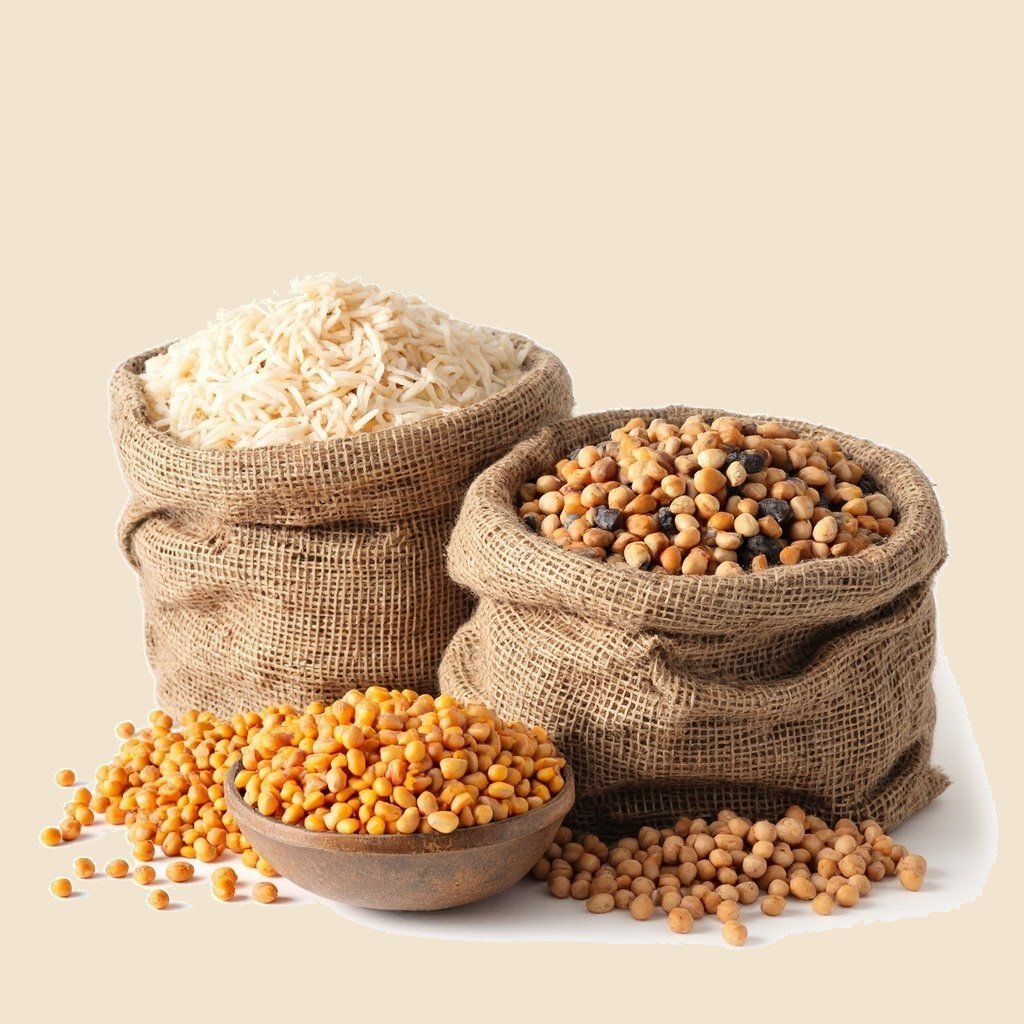
AVGT (Arabian Ventures General Trading LLC) provides export rice to UAE requirements including product registration, labeling compliance, and distribution partnership access across the Emirates and wider GCC. Their established network operates through Jebel Ali Port for bulk shipments and Al Aweer Market as the central distribution hub in Dubai for wholesale food commodities.
Why the UAE Is a Strategic Basmati Rice Market
The UAE commands significant influence over the GCC food import trade, serving as both a major consumer market and a re-export corridor to neighboring countries. Basmati rice occupies a staple position in UAE households, restaurants, and hospitality businesses, creating year-round demand across all quality tiers.
For international basmati rice exporters, the UAE market offers several structural advantages. The country’s geographic position provides access to sea routes from major South Asian origin countries within 7-14 days. The UAE’s multilingual, multicultural population generates demand across multiple basmati grade categories—from everyday household brands to premium extra-long grain varieties. Additionally, the UAE’s world-class logistics infrastructure, centered on Jebel Ali Port, enables efficient handling of bulk grain shipments with established cold storage and fumigation facilities.
The regulatory framework administered by Dubai Municipality and UAE federal authorities establishes clear standards for imported food products while maintaining streamlined customs procedures for compliant shipments. This combination of demand, infrastructure, and regulatory clarity makes the UAE an ideal entry point for basmati rice exporters seeking to establish or expand their GCC presence.
Product Registration and Compliance Requirements
Before commercial quantities of basmati rice can enter the UAE market, exporters must complete the product registration process mandated by UAE food-import regulations. This process applies to finished packaged products and establishes the compliance foundation upon which retail distribution depends.
Key Registration Steps:
- Entity Registration: The foreign exporter or manufacturer must register with the Emirates Integrated Dashboard (EIDD) or through a UAE-based authorized agent
- Product Dossier Submission: Technical documentation including ingredient lists, processing methods, country of origin certificates, and supplier certifications
- Label Compliance Review: Arabic language labeling is mandatory for retail sale; labels must include product name, net weight, batch number, production and expiry dates, storage instructions, and importer details
- Sample Testing: Competent authorities may require laboratory analysis of initial shipments to verify compliance with UAE food safety standards
- Shelf Life Requirements: Packaged basmati rice typically requires a minimum remaining shelf life of 50-75% at the time of import, depending on retail channel requirements
Supermarkets and major retail chains operating in the UAE maintain their own vendor qualification processes that run parallel to regulatory registration. These buyers typically require proof of UAE product registration, valid halal certification recognized by UAE authorities, comprehensive product liability insurance, and established supply chain traceability.
Grade Selection and Sourcing Specifications
Understanding how basmati rice is graded and classified helps exporters position their products appropriately for UAE market segments. The UAE trade recognizes several grade categories that correspond to different retail price points and distribution channels.
Common Grade Classifications:
- Super Kernel/Basmati 1121: Extra-long grain varieties (7.6mm+), premium pricing, prominent in upscale retail and hospitality
- Traditional Basmati: Classic long-grain varieties, mid-premium positioning, strong household consumer demand
- Mid-Grain Basmati: Shorter aging requirements, competitive pricing, popular in food service and wholesale channels
Minimum order quantities for international export shipments typically range from 20 to 100 metric tons for container-load orders, though specific MOQ requirements vary by supplier and packaging configuration. Exporters should consider that UAE distributors often prefer container-load shipments from a single origin to optimize logistics costs through Jebel Ali Port.
Packaging requirements differ significantly between retail and food service channels. Retail packaging typically demands smaller consumer-pack sizes (1kg, 2kg, 5kg) with retail-ready shelf presentation, while food service and wholesale channels often accommodate 25kg or 50kg bulk sacks. AVGT can advise on optimal packaging configurations based on target market segments.
Partnering with a UAE Distribution Company
Establishing effective retail distribution in the UAE requires a licensed local partner with established market access, storage capabilities, and relationships with major buying organizations. For international basmati rice exporters, a distribution partnership provides market expertise and infrastructure that would be prohibitively expensive to develop independently.
A qualified UAE distribution partner handles critical go-to-market functions including managing relationships with supermarket category buyers, coordinating in-store promotional activities, handling last-mile delivery to retail locations across all seven Emirates, managing trade credit and payment collection, and providing market intelligence on pricing trends and competitor activity.
AVGT operates as a licensed Dubai importer, exporter, and distributor of food commodities from Al Aweer Market, holding UAE Trade License 1481160. The company maintains UAE-wide delivery capabilities and established corridors to GCC markets, positioning it to serve as the local distribution arm for international basmati rice brands seeking retail shelf placement.
What Retail Buyers Expect from Distributors:
Supermarket chains and retail groups in the UAE typically require distributors to carry product liability coverage, maintain consistent stock availability, provide efficient replenishment cycles, support promotional pricing during seasonal campaigns, and handle returns, claims, and documentation promptly.
Margin structures in the UAE food distribution sector generally operate on a wholesale-to-retail spread model, with distributor margins typically ranging between 8-15% depending on volume, product category, and service level agreements. Retail markup varies by channel, with modern trade supermarkets typically applying 15-25% gross margins on branded grocery items.
For basmati rice exporters, partnering with an established UAE distributor reduces market entry risk, accelerates retail listing timelines, and provides Arabic-speaking customer service capabilities essential for GCC market penetration.
Practical Steps for Market Entry
Exporters ready to pursue UAE retail distribution for their basmati rice brand should approach market entry systematically:
1. Regulatory Preparation: Complete UAE product registration or engage a local agent to handle the process on your behalf
2. Grade Positioning: Determine which basmati grade category aligns with your sourcing capabilities and target price positioning
3. Documentation Assembly: Prepare certificates of origin, halal certification, bill of lading, commercial invoice, packing list, and phytosanitary certificate
4. Distributor Evaluation: Identify distribution partners with proven basmati rice category experience and existing retail relationships
5. Commercial Terms Negotiation: Establish pricing structure, payment terms, exclusivity provisions, and performance expectations
6. Launch Planning: Coordinate initial shipment timing with distributor promotional calendars and retail promotional windows
AVGT welcomes inquiries from international basmati rice exporters seeking to establish or expand their UAE and GCC distribution presence. As a dedicated food commodity distributor with deep market knowledge and established retail channel relationships, AVGT can provide guidance on market positioning, regulatory compliance, and partnership structures tailored to your specific objectives.
To discuss a distribution partnership for your basmati rice brand in the UAE market, contact AVGT directly at +971 50 529 7000 or email avgtuae@gmail.com. Visit avgtuae.com for additional information on the company’s commodity portfolio and distribution capabilities.
Frequently Asked Questions
What documentation is required to export basmati rice to the UAE?
Standard documentation includes certificate of origin, commercial invoice, packing list, bill of lading, phytosanitary certificate, and halal certification recognized by UAE authorities. Packaged products also require certificates of free sale from the country of origin.
Can I export basmati rice directly to UAE supermarkets without a local distributor?
Most UAE supermarket groups require a UAE-based legal entity or appointed distributor for commercial relationships, warranty handling, and regulatory compliance. Direct supply arrangements are rarely established with foreign exporters.
How long does UAE product registration take for food commodities?
Product registration timelines vary based on documentation completeness and sample testing requirements. Initial registrations typically require 4-12 weeks; subsequent product additions for established companies process more quickly.
What are typical minimum order quantities for basmati rice exports to UAE?
Container-load orders commonly range from 20 to 100 metric tons depending on packaging configuration and supplier terms. Some suppliers accept less-than-container-load quantities for market testing purposes.
Is Arabic labeling required for basmati rice sold in UAE retail stores?
Yes, Arabic language labeling is mandatory for all packaged food products sold through UAE retail channels. Labels must include product name, net weight, batch identification, production and expiry dates, storage instructions, country of origin, and UAE importer details.
What role does Jebel Ali Port play in UAE basmati rice imports?
Jebel Ali Port in Dubai serves as the primary entry point for bulk grain shipments into the UAE. The port offers established fumigation facilities, cold storage capabilities, and efficient customs clearance procedures for food commodity imports.
How can AVGT help my company enter the UAE basmati rice market?
AVGT operates as a licensed Dubai food commodity distributor with established relationships across UAE and GCC retail channels. The company handles product registration support, warehousing, last-mile delivery, and retail buyer relationships on behalf of international brand partners.
—
Related Reading
- Start here: [Arabian Ventures: Your Trusted Partner in Sourcing Premium Grains from Asia to the UAE](https://avgtuae.com/arabian-ventures-your-trusted-partner-in-sourcing-premium-grains-from-asia-to-the-uae/)
- [Basmati Rice Price in Dubai: Wholesale Market Rates, Grades & Sourcing Guide for UAE Importers](https://avgtuae.com/basmati-rice-price-in-dubai-wholesale-market-rates-grades-sourcing-guide-for-uae-importers/)
- [Start Fresh Produce Trading in Dubai: The Complete Wholesale Guide](https://avgtuae.com/start-fresh-produce-trading-in-dubai-the-complete-wholesale-guide/)
- [Dried Fruits Supplier UAE: Wholesale Sourcing, Grades & Import Guide](https://avgtuae.com/dried-fruits-supplier-uae-wholesale-sourcing-grades-import-guide/)
- Explore our full wholesale range at [Arabian Ventures General Trading](https://avgtuae.com/)