To start fresh produce trading in Dubai, you register a UAE-licensed trading company, secure an import permit from Dubai Municipality, lease a unit inside an approved wholesale market such as Al Aweer, and contract cold-chain logistics through Jebel Ali Port or Al Maktoum International Airport for B2B distribution across the UAE and GCC. Dubai’s central time zone, free-zone incentives, and re-export corridors make it one of the most efficient launch markets in the world for fresh fruit, vegetables, herbs, and salads.
This guide covers the practical steps B2B buyers, new importers, and existing commodity distributors need to map a fresh produce operation in Dubai, and shows how a multi-category wholesale partner such as Arabian Ventures General Trading LLC (AVGT) can fit alongside your supply chain.
Why Dubai Is the Logical Launch Market for Fresh Produce
Dubai sits between the major sourcing regions for fresh produce: Egypt, Jordan, India, Pakistan, Iran, Kenya, South Africa, and the EU on the inbound side, and Saudi Arabia, Kuwait, Oman, Qatar, and Bahrain on the re-export side. More than 80% of GCC fresh produce trade passes through Dubai-based wholesalers, primarily because of three structural facts: 24/7 port operations at Jebel Ali, the centralized Al Aweer Fruit and Vegetable Market complex, and English-Arabic-Hindi-Urdu multilingual trading culture.
For a B2B buyer, this concentration translates into:
- Single-vendor sourcing for multiple categories, including fresh produce, rice, grains, pulses, spices, nuts, dried fruits, and oils.
- Smaller MOQs than origin markets because consolidators share containers at Jebel Ali.
- Re-export documentation support for shipments continuing into Saudi Arabia via the GCC customs union.
Licensing, Documents, and Regulatory Requirements
Before any container of fresh produce enters the UAE, the importer of record must hold a valid UAE trade license and a food-trading activity on that license. The standard process to start fresh produce trading in Dubai looks like this:
1. Company formation. Register a free-zone or mainland company through DED (Department of Economy and Tourism) or a free-zone authority such as JAFZA, DMCC, or DAFZA. A food-trading activity must be listed on the license.
2. Dubai Municipality food importer registration. Submit the company’s trade license, owner passport copy, and facility details to Dubai Municipality’s Food Import and Export Office. Each shipment must be filed under a registered importer code.
3. Product registration. Label items according to UAE.S (UAE Standard) labeling norms, including product name in English and Arabic, country of origin, net weight in metric units, batch/lot number, production and expiry dates, and storage conditions.
4. Conformity assessment. A pre-shipment inspection and Certificate of Conformity (CoC) is required for most regulated food categories. Each shipment must also carry a health certificate from the country of origin and a commercial invoice, packing list, and bill of lading.
5. Port clearance. All fresh produce consignments are routed to Jebel Ali Port’s dedicated perishable handling area. Cold-chain integrity (typically 0–4°C for fruits, 4–8°C for leafy vegetables) is verified at the bonded cold store before release.
> Tip: if your company is not yet a registered importer, partnering with a Dubai-licensed wholesale distributor who already holds the importer code is the fastest route to active trading.
Sourcing, Cold Chain, and the Al Aweer Ecosystem
Once licenses are in place, the operational layer to start fresh produce trading in Dubai centers on Al Aweer and Jebel Ali.
Al Aweer Fruit and Vegetable Market is the central wholesale mandi where most Dubai retailers, restaurants, hotels, and caterers source their daily volume. Operating roughly from 4 a.m. to midday, the market handles categories from citrus, mangoes, and pomegranates to tomatoes, cucumbers, leafy greens, herbs, and exotics like dragon fruit and rambutan. Sourcing through a licensed wholesaler at Al Aweer lets a new entrant buy in mixed pallets rather than full containers, which is ideal during launch.
Jebel Ali Port is the inbound gateway. Reefer containers arrive 24/7 and feed directly into cold-chain bonded warehouses operated by major logistics providers. From here, produce can be trucked to:
- Al Aweer for the local wholesale market,
- Dubai’s free zones for re-export to other GCC countries,
- Direct retail and HORECA (hotel, restaurant, catering) accounts under refrigerated distribution.
Airfreight through Al Maktoum International Airport is reserved for high-value, low-shelf-life items such as berries, fresh herbs, and edible flowers, and is typically routed through specialized perishables handling agents.
Building the B2B Distribution Model
Fresh produce is a low-margin, high-velocity business. Successful B2B operators in Dubai typically segment their customer base into four channels:
- Modern retail. Supermarket chains and hypermarkets that require graded, branded, and pre-packed produce.
- Traditional retail. Independent grocers, baqala stores, and souq shops sourcing by the carton.
- HORECA. Hotels, restaurants, cloud kitchens, and catering companies that need consistent grade and daily delivery.
- Re-export. Wholesalers in Saudi Arabia, Oman, and Kuwait buying in full-container loads.
For a brand-new entrant, starting with HORECA and traditional retail is usually the lowest-risk route because MOQs are smaller (often 50–200 kg per SKU) and payment terms are shorter than modern retail. As volume scales, modern retail and re-export can be added once stable supply contracts are in place.
A practical step sequence:
1. Define your top 10 SKUs. Example: tomatoes, cucumbers, iceberg lettuce, parsley, mint, lemons, oranges, bananas, apples, and dates.
2. Confirm origin supply contracts with growers or consolidators who already meet UAE.S residue and pesticide limits.
3. Lock cold-chain logistics. Reefer trucking from Jebel Ali to Al Aweer or directly to customer warehouses, with temperature loggers in every load.
4. Set up grading and packing at the Al Aweer unit, in line with UAE retail expectations (Class I for retail, Class II for HORECA, Class III for processing).
5. Open B2B credit terms carefully. Cash-on-delivery or 7-day terms are the norm for new accounts in the Dubai fresh market.
Where Multi-Commodity Distributors Like AVGT Fit In
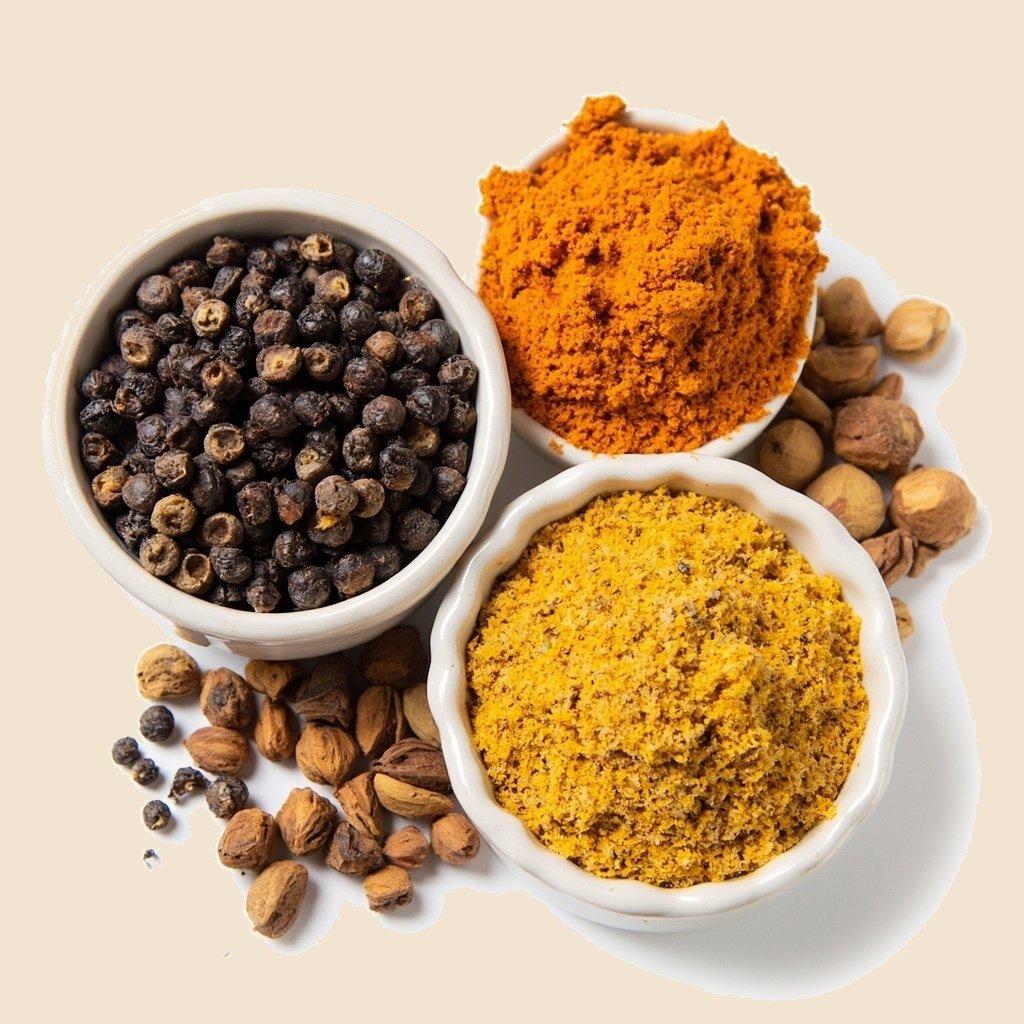
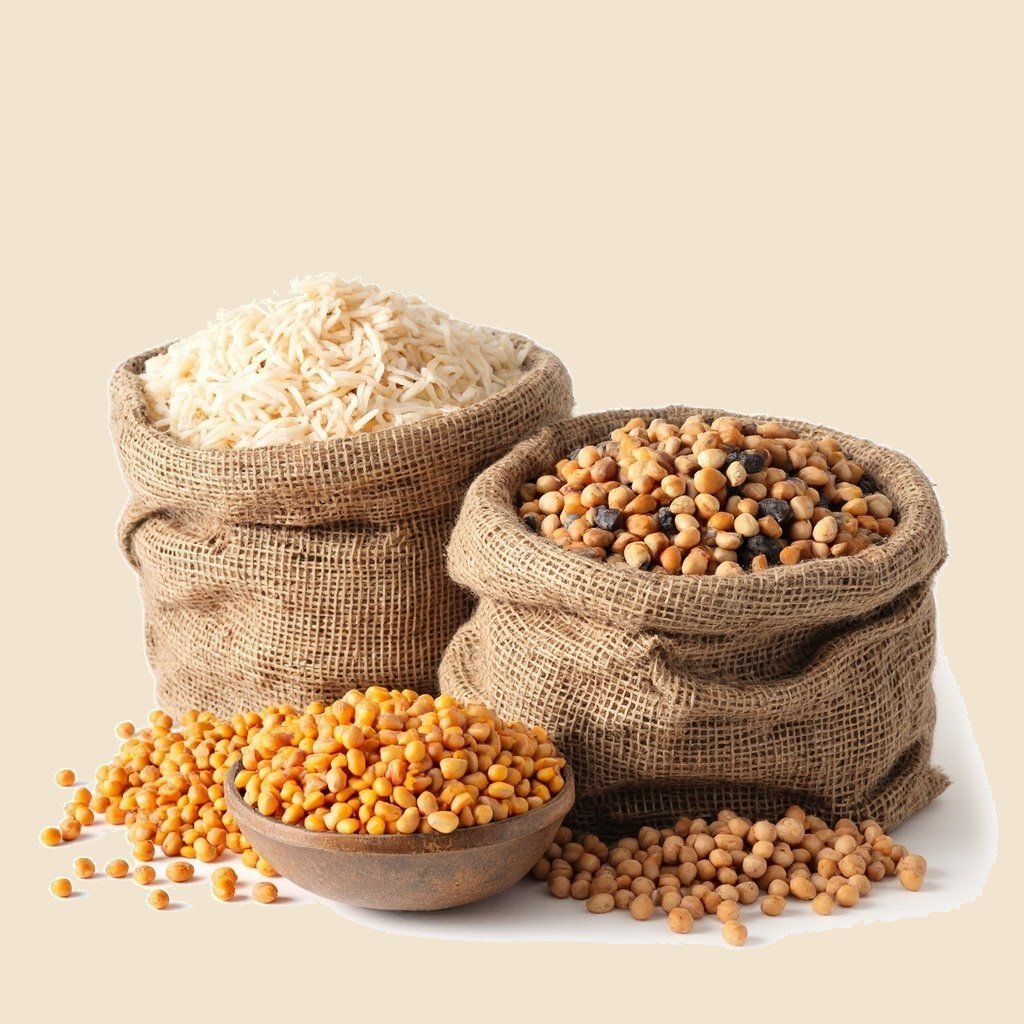
A wholesale importer/exporter that already holds a Dubai trade license, an Al Aweer presence, and active import codes across multiple categories is a strategic partner during your launch phase. Arabian Ventures General Trading LLC (AVGT) operates from Al Aweer under UAE Trade License 1481160, distributing rice, grains, pulses, spices, nuts, dried fruits, oils, and fresh produce to B2B customers across the UAE and into GCC re-export corridors. This is the same category breadth discussed in our main guide on the [Wholesale Nuts and Dried Fruits Business in Dubai](#) — and the same operational model applies when you expand into perishable categories.
For new operators, the value of working with such a partner is threefold: shared reefer capacity at Jebel Ali, ready-made B2B credit terms with HORECA clients, and category cross-selling (a customer buying basmati rice can also be opened to fresh herbs in the same delivery route).
Practical Tips Before You Commit Capital
- Visit Al Aweer before signing a lease. Spend at least two mornings there to understand price discovery, buyer flow, and which unit sizes match your target volume.
- Decide between mainland and free-zone early. Mainland (DED) is required to sell direct to UAE retail and HORECA. Free-zone companies can only re-export or sell within the free zone.
- Negotiate reefer rates, not just ocean freight. Cold-chain is the largest variable cost in fresh produce; rate-lock with at least two logistics providers.
- Plan for shelf-life rejects. UAE buyers expect 90%+ saleable delivery; budget 5–7% wastage into your margin model.
- Build Arabic-English bilingual labeling from day one. UAE.S labeling rules are enforced strictly; rework at port is costly.
Frequently Asked Questions
How much capital do I need to start fresh produce trading in Dubai?
Working capital requirements vary by category and origin, but a lean B2B launch typically needs enough for a 20–40 foot reefer container, two weeks of cold storage, an Al Aweer unit deposit, and trade-license formation fees. Many entrants start with 50–100 kg daily volumes rather than full containers to validate demand before scaling.
Do I need a separate import license for fruits and vegetables?
Yes. The UAE requires a registered importer of record on every shipment, with Dubai Municipality importer registration covering all fresh food categories. The same importer code can be used across multiple fresh categories, so a single food-trading license can cover produce, herbs, and microgreens together.
What is the difference between Al Aweer and free-zone distribution?
Al Aweer is the local wholesale mandi serving Dubai and the northern Emirates; free-zone companies at JAFZA, DMCC, or DAFZA are primarily structured for re-export. If your target is UAE retail and HORECA, a mainland license plus an Al Aweer presence is essential.
What MOQ can a small restaurant expect from a Dubai wholesaler?
For HORECA accounts, typical MOQs at Al Aweer wholesalers run 5–25 kg per SKU for herbs and leafy items, and 50–200 kg for fruits and field vegetables. Direct-from-grower container pricing becomes economical only above roughly 18 metric tons per SKU per shipment.
Which port handles most fresh produce imports into Dubai?
Jebel Ali Port is the principal maritime gateway, with dedicated reefer plugs and bonded cold stores. Al Maktoum International Airport handles high-value airfreight such as berries
—
Related Reading
- Start here: [Arabian Ventures: Building a Thriving Wholesale Nuts and Dried Fruits Business in Dubai](https://avgtuae.com/arabian-ventures-building-a-thriving-wholesale-nuts-and-dried-fruits-business-in-dubai/)
- [Dried Fruits Supplier UAE: Wholesale Sourcing, Grades & Import Guide](https://avgtuae.com/dried-fruits-supplier-uae-wholesale-sourcing-grades-import-guide/)
- [Bulk Nuts Supplier for Business in UAE Market: Grades, MOQs, and Sourcing from Dubai](https://avgtuae.com/bulk-nuts-supplier-for-business-in-uae-market-grades-moqs-and-sourcing-from-dubai/)
- [Wholesale Dry Fruit Market in Dubai: Sourcing, Suppliers & Supply Chain Guide](https://avgtuae.com/wholesale-dry-fruit-market-in-dubai-sourcing-suppliers-supply-chain-guide/)
- Explore our full wholesale range at [Arabian Ventures General Trading](https://avgtuae.com/)